
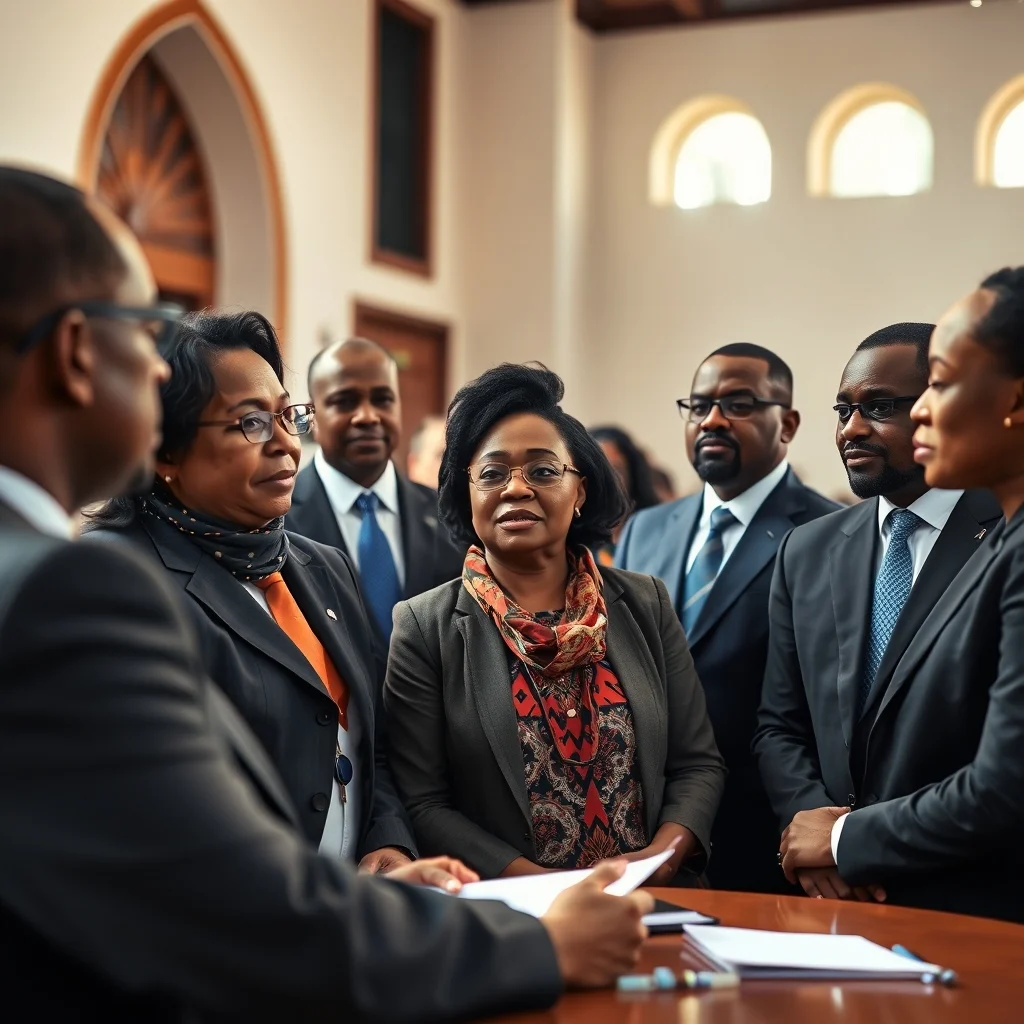
Ghana will join other African nations in Rabat, Morocco, from May 5th to 7th, 2026, for the African Open Government Conference. The country aims to highlight its progress in public sector reforms, strengthen partnerships, and exchange knowledge on transparency and accountability under the conference theme, “Towards an Open Africa.”
Ghanaian Delegation to Lead Discussions
A multi-stakeholder delegation from Ghana will attend the upcoming African Open Government Conference in Rabat, Morocco. The delegation, led by Minister of State for Public Sector Reforms, Lydia Lamisi Akanvariba, includes members of the Parliamentary Caucus on Open Government Partnership (OGP), civil society representatives, and officials from the OGP Ghana Office. This gathering aims to advance principles of transparency, accountability, citizen participation, and innovation across the continent.
Strategic Objectives for Participation
According to a press statement from the OGP Ghana Office on April 30th, 2026, Ghana’s participation is driven by several key objectives. The nation intends to showcase its achievements in public service delivery and open government reforms. Furthermore, the conference provides a platform to foster deeper collaboration between the executive, parliament, civil society, and development partners.
Ghana also seeks to share its experiences and learn best practices from other African nations. High-level dialogues on digital transformation and transparency are expected, promoting innovation in governance. This mission underscores Ghana’s commitment to the Open Government Partnership (OGP) initiative, which strives to build a more inclusive and transparent state apparatus.
Focus on Digital Transformation and Anti-Corruption
The Ghanaian delegation is poised to be an active participant in discussions focused on critical areas such as anti-corruption strategies, parliamentary openness, and enhancing citizen engagement. A significant portion of the dialogue will explore how digital transformation can be effectively leveraged to ensure more accountable governance systems.
The Open Government Partnership Initiative
The Open Government Partnership (OGP) is a global initiative that brings governments and civil society together to promote transparent, accountable, and participatory governance. Launched in 2011, OGP now has 75 participating countries and a growing number of local governments. Members commit to developing and implementing ambitious open government action plans. These plans address key challenges such as corruption, strengthening public services, and improving citizen participation.
Broader Implications for African Governance
The African Open Government Conference in Rabat serves as a crucial platform for continental dialogue and cooperation. By sharing progress and challenges, participating nations can collectively identify innovative solutions to governance issues. The emphasis on digital transformation signals a recognition of technology’s potential to enhance transparency and efficiency in public administration.
For citizens, increased openness and participation can lead to more responsive governments and better public services. The focus on anti-corruption efforts is particularly vital for fostering trust between governments and their populations, ultimately contributing to more stable and prosperous societies. The exchange of best practices among African nations is expected to accelerate reforms and strengthen democratic institutions across the region.
Looking Ahead: The Future of Open Governance in Africa
Ghana’s active engagement at the Rabat conference signals a continued commitment to open governance principles. The success of such initiatives hinges on sustained collaboration between governments, civil society, and the private sector. Observers will be watching to see how the dialogues translate into concrete actions and policy changes within Ghana and across the African continent. The integration of digital tools and the ongoing fight against corruption are likely to remain central themes in the evolving landscape of open governance in Africa.










Leave a Reply