
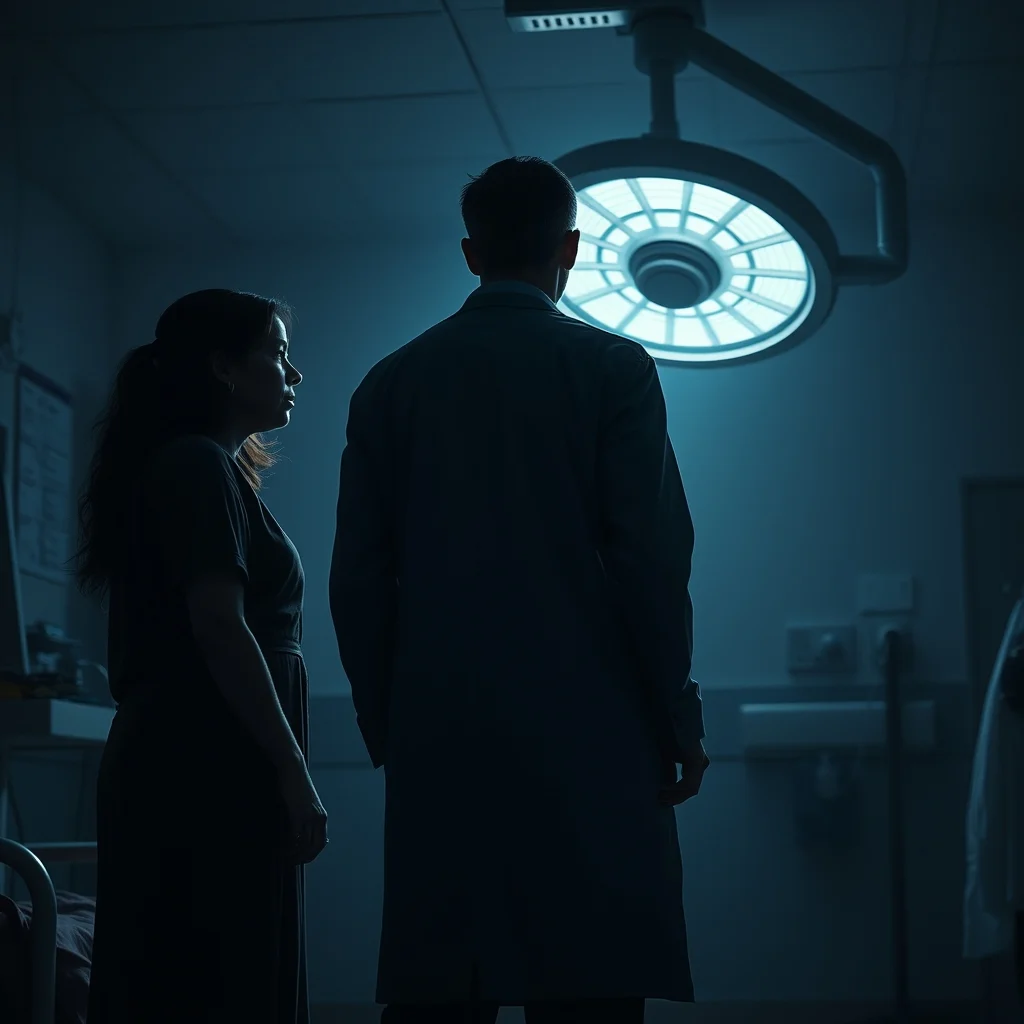
Neurosurgeon Dr. Hadi Mohammed Abdallah asserts that the recurring tragedies in Ghana’s healthcare system stem from deep-seated systemic problems, not solely individual failings, as evidenced by the recent death of engineer Charles Amissah after being denied emergency care at multiple Accra hospitals.
Dr. Abdallah’s comments on PM Express followed the release of a government committee’s findings into the death of 29-year-old Charles Amissah, who allegedly received inadequate emergency treatment.
Pattern of Emotional Reaction, Lack of Reform
The neurosurgeon expressed a lack of surprise, noting a disheartening pattern where national tragedies elicit strong emotional responses but fail to instigate meaningful, lasting reforms.
He observed that Ghana tends to react emotionally to major catastrophes, often seeking individual scapegoats rather than addressing underlying institutional weaknesses.
“For us as a country, whenever we run into a monumental catastrophe, we tend to be very emotional about it, and we always look for a scapegoat,” Dr. Abdallah stated, adding that sector managers often comply by finding one.
Focus on Blame Over Solutions
Dr. Abdallah argued that the prevailing approach is to blame individuals, which distracts from the necessary task of fixing institutional failures.
He contrasted this with practices in other countries, where similar events in healthcare or education often trigger significant policy and even legislative changes.
“In certain countries, when events like this happen, be it in healthcare or in education, it leads to significant changes in terms of policy, even the law,” he explained.
“But for us, it’s always trying to find fault, and the fault is always personalised. We don’t look at how to solve the problem.”
Lessons Unlearned from Past Disasters
To illustrate his point, Dr. Abdallah drew parallels between the Amissah case and the 2001 Accra Sports Stadium disaster, also known as the May 9 disaster, which claimed over 120 lives.
He recalled the widespread outcry and focus on the alleged unprofessionalism of police officers during the May 9 incident.
“I tried to juxtapose this with the May 9 disaster,” he said.
“I lost friends and colleagues in the university, and I quite remember when it happened, there was hue and cry about the police officers, how unprofessional they were.”
However, he contended that the same systemic errors were repeated because the underlying system was never critically examined.
“Nobody looked at the system that trained them and what was there for them to control the crowd at the time,” he stressed.
Ultimately, the police officers involved became scapegoats, facing legal proceedings that could not establish a case against them.
Official Findings on Amissah’s Death
A government committee, chaired by Professor Agyeman Badu Akosa, concluded that Charles Amissah’s death was a result of medical neglect and the denial of emergency care.
The committee’s findings indicated that Amissah was turned away by the Police Hospital, the Greater Accra Regional Hospital, and Korle Bu Teaching Hospital, contributing to his tragic demise.
Implications for Healthcare Delivery
The persistent cycle of tragedy and scapegoating suggests that Ghana’s healthcare system is at a critical juncture. Without a fundamental shift towards systemic analysis and reform, further preventable deaths are likely.
The focus must move beyond individual accountability to scrutinizing resource allocation, training protocols, emergency response infrastructure, and inter-hospital referral systems. The public and policymakers must demand and support changes that address these core issues to prevent future occurrences.







Leave a Reply