
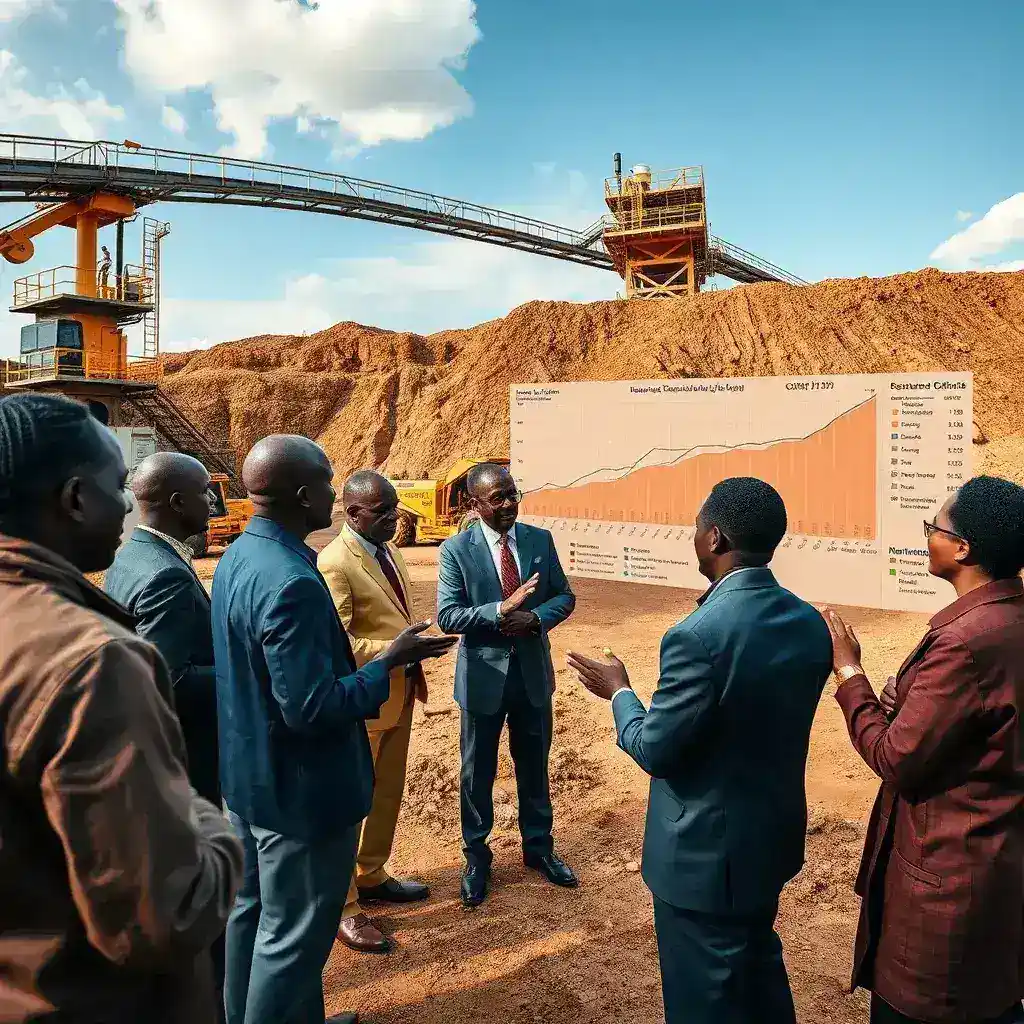
Professor of Finance and Economics at the University of Ghana, Prof Godfred Alufar Bokpin, has urged Ghanaian policymakers to critically examine proposals from the Institute of Economic Affairs (IEA) advocating for greater state control over the nation’s mining assets. This call comes as Ghana continues to grapple with ensuring it fully benefits from its rich mineral endowment, with current returns lagging behind those of comparable resource-rich nations.
Context: Underperformance in a Resource-Rich Nation
Ghana is globally recognized for its significant deposits of gold, bauxite, manganese, and diamonds. Despite this natural wealth, the country’s revenue and overall economic benefit derived from the mining sector have remained a subject of concern. Experts point to the nature of existing agreements and fiscal regimes as key factors limiting the nation’s ability to maximize value from these extractive activities.
For years, discussions have centered on long-standing lease agreements and contractual obligations. These binding arrangements often restrict Ghana’s flexibility to renegotiate terms that could yield more favorable outcomes for the state, especially as mineral reserves are depleted or market conditions change.
Revisiting Mining Agreements for National Benefit
Speaking on JoyNews’ Newsfile on Saturday, May 16, Prof Bokpin emphasized that the expiration of current mining leases presents a critical juncture for Ghana. He argued that these upcoming expirations should not lead to a dismissal of the IEA’s suggestions for increased state involvement.
Instead, policymakers should use these opportunities to reassess existing terms. This could involve renegotiating agreements or implementing improved fiscal arrangements designed to ensure the country captures a more substantial share of the value generated from its mineral resources. Prof Bokpin acknowledged the capital-intensive nature of the mining sector and the necessity of foreign investment.
However, he stressed that this must be balanced with Ghana securing equitable returns. The professor also highlighted the persistent issue of uneven development in mining communities, questioning the adequacy of the nation’s overall returns given the visible wealth extraction.
Divergent Views on State Control
The IEA’s proposals for greater state control, potentially including nationalization of mining assets, have sparked considerable debate. While Prof Bokpin advocates for their careful consideration, the Ghana Chamber of Mines has voiced strong opposition.
The Chamber argues that instead of pursuing nationalization, Ghana should prioritize strengthening its regulatory framework, enhancing transparency throughout the mining value chain, and fostering investor confidence. This alternative approach suggests that improvements in governance and operational oversight can achieve better outcomes for the nation without resorting to state takeovers.
Balancing National Interest and Investor Confidence
Prof Bokpin cautioned that any reforms aimed at increasing state benefit must be carefully calibrated. The pursuit of national interest needs to be harmonized with the imperative of maintaining investor confidence. This involves ensuring legal certainty and preserving a stable regulatory environment that attracts and retains responsible mining operations.
The delicate balance between maximizing national benefit and assuring investors of a secure and predictable operating landscape is crucial for the sustainable development of Ghana’s mining sector. Unilateral or poorly managed changes could deter future investment, potentially hindering the sector’s growth and its contribution to the economy.
Looking Ahead: Strategic Reassessment and Reform
As Ghana navigates the complexities of its mining sector, the coming years will be pivotal. Policymakers face the challenge of evaluating proposals like those from the IEA, weighing them against industry counterarguments, and charting a course that optimizes resource revenue. The focus will likely remain on contractual renegotiations, fiscal regime adjustments, and enhanced transparency measures. Stakeholders will be watching closely to see how Ghana balances its sovereign rights with the need for continued foreign investment and operational stability in its vital mining industry.








Leave a Reply