
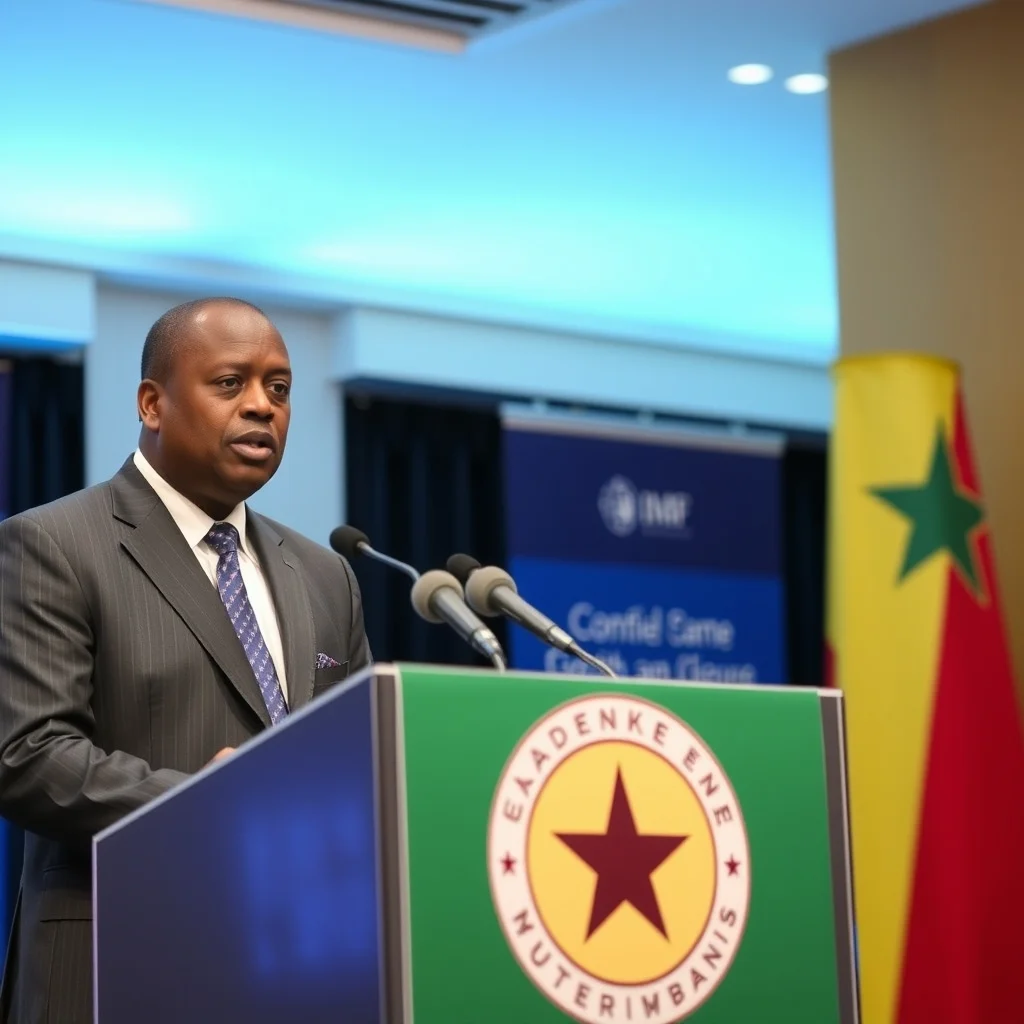
The government of Ghana has officially ruled out returning to international capital markets for financing for the remainder of 2026, signaling a strategic shift as its three-year International Monetary Fund (IMF) bailout program concludes. This decision, announced in Accra at a joint press conference with the IMF Mission, aims to break a cycle of reliance on costly external commercial borrowing following a severe economic crisis in 2022 that led to a painful debt restructuring and exclusion from global markets.
Transitioning to Policy Coordination
Instead of seeking a new financial bailout, Ghana will transition to the IMF’s Policy Coordination Instrument (PCI). The PCI is a non-financing framework designed to bolster policy credibility and ensure macroeconomic discipline, signalling stability to international markets without providing direct financial aid.
Finance Minister Dr. Cassiel Ato Forson stated that the government is not in a hurry to access international capital markets. He assured the public that any future need for such financing would be communicated transparently.
This move suggests increased confidence in the current administration’s ability to manage the nation’s finances following the emergency phase of the fiscal crisis. Despite signs of thawing investor relations and stabilizing economic indicators, the government is prioritizing fiscal prudence over accumulating new debt.
Eurobonds Remain Off the Table for 2026
The decision to avoid the Eurobond market is already integrated into the state’s financial planning for the current year. Dr. Forson confirmed that the 2026 budget projections do not include any assumptions about securing financing from international capital markets, making it a non-option for at least the remainder of the year.
This cautious approach is expected to be viewed favorably by multilateral lenders and credit rating agencies. These entities have previously advised Ghana against prematurely re-engaging with commercial borrowing before solidifying its debt sustainability gains.
While the door is not permanently closed, Dr. Forson indicated that any future access to these markets would depend on the government’s strategic objectives in the medium term.
Lessons from Past Crises
The government’s current stance is heavily influenced by the economic turmoil of 2022. A confluence of escalating public debt, a sharp depreciation of the Ghanaian cedi, and a severe erosion of investor confidence led to Ghana’s complete lockout from international capital markets.
This crisis necessitated difficult debt restructuring negotiations with both domestic bondholders and bilateral creditors, ultimately paving the way for the $3 billion IMF Extended Credit Facility.
By opting for the PCI, Ghana maintains an oversight relationship with the IMF, allowing the Fund to monitor structural reforms and economic management without increasing the nation’s loan burden.
IMF Support for a Cautious Path
The IMF appears to endorse Ghana’s deliberate and cautious approach to economic recovery. Dr. Ruben Atoyan, IMF Mission Chief to Ghana, emphasized that the decision regarding access to capital markets rests solely with Ghana as a sovereign nation.
Currently, Ghana’s economic managers are relying on internal fiscal discipline and reforms, rather than external commercial loans, to drive the country’s post-bailout economic resurgence.
The government’s commitment to fiscal consolidation and structural reforms under the PCI framework will be closely watched by international investors and financial institutions. Success in maintaining macroeconomic stability and debt sustainability will be crucial for rebuilding long-term confidence and potentially reopening access to international markets on more favorable terms in the future.



Leave a Reply