

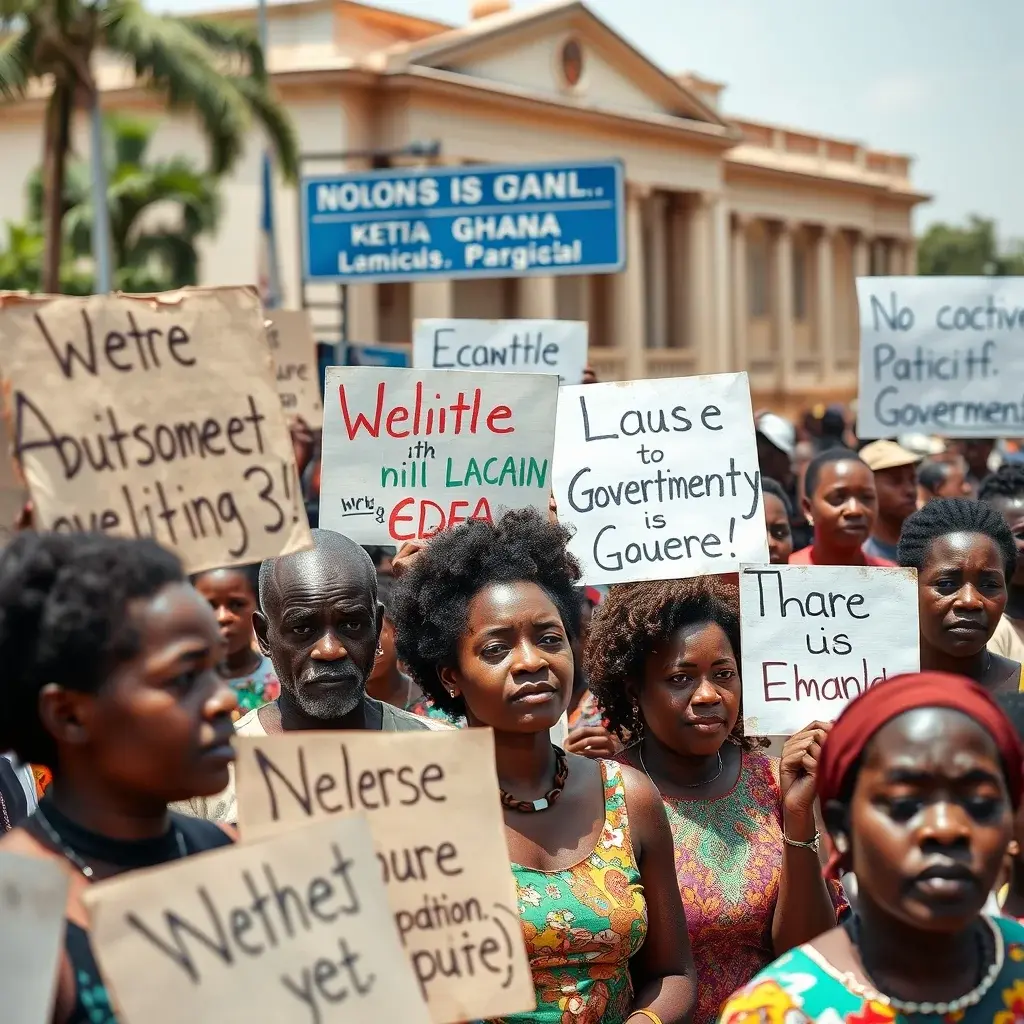
The Akua Anningwaa Legacy Foundation is calling on the Ghanaian government to prioritize the welfare of autistic children and their families to combat severe societal stigmatization and prevent instances of street begging. The appeal comes from the foundation’s CEO, Akua Ataa Amoanimaa, who highlights the profound discrimination faced by families in Ghana, often leading to extreme hardship.
Context of Discrimination and Hardship
Madam Amoanimaa, the mother of a 17-year-old autistic daughter, shared her personal experiences and observations regarding the challenges faced by parents of autistic children in Ghana. She explained that the pervasive stigmatization surrounding autism discourages many parents, resulting in the neglect of affected children.
This societal rejection can push families into dire circumstances. In some cases, the immense pressure and lack of support leave parents with no other recourse than to resort to street begging to care for their children.
Foundation’s Intervention and Appeal
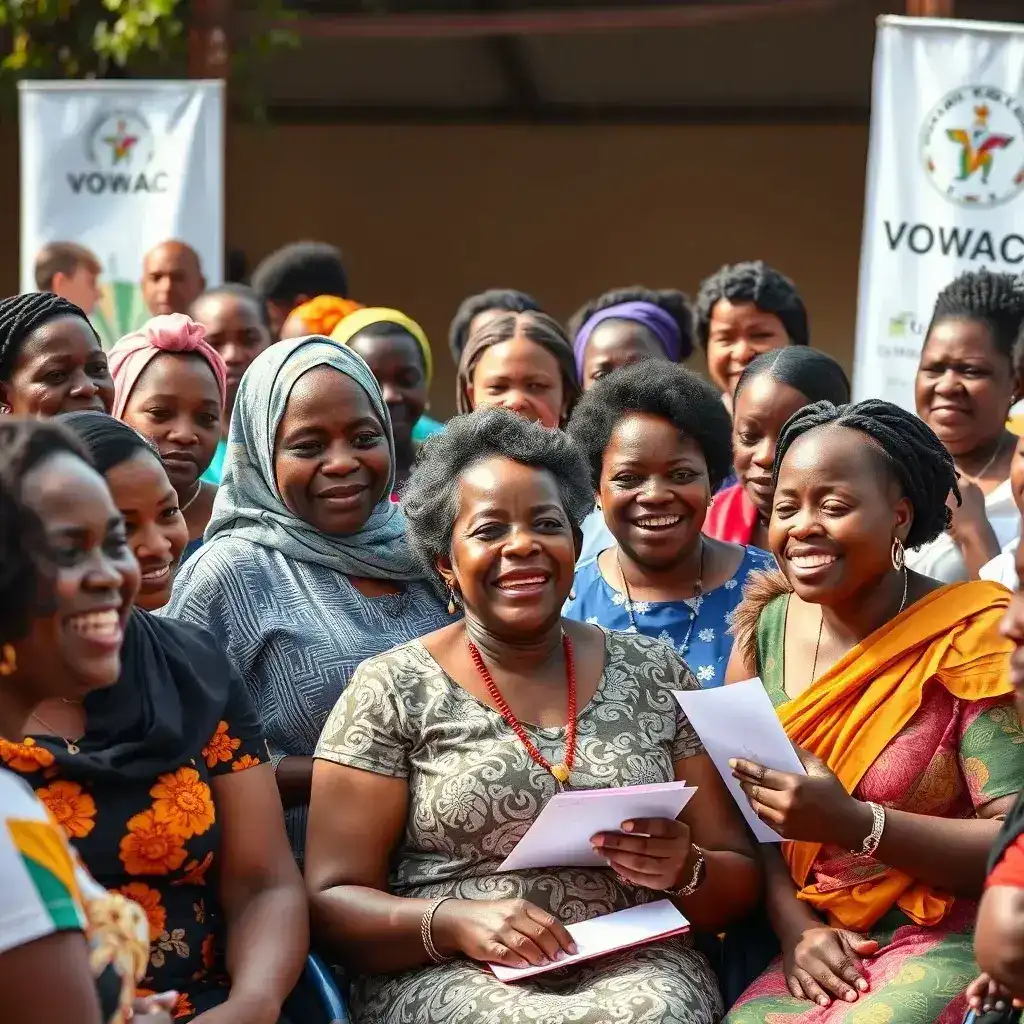
The Akua Anningwaa Legacy Foundation actively intervenes to support these vulnerable families. During a recent donation exercise in Ntonso, Ashanti Region, the foundation provided a fully furnished rented apartment and startup capital to a mother and her 10-year-old autistic child. This initiative aims to offer immediate relief and a stable environment for care.
“I gave birth to my 17-year-old autistic daughter in Germany. If it had happened in Ghana, I do not know what my situation would have been by now,” Madam Amoanimaa stated, underscoring the perceived difference in societal support. “That is why I established this foundation to support parents and children living with autism in Ghana. I plead with the government to also come on board and support such families,” she urged.
A Beneficiary’s Story of Resilience
One beneficiary, Madam Tawiah, shared her harrowing experience of discrimination and emotional trauma. As the mother of an autistic child, she faced rejection in her previous community, leading her to contemplate suicide due to the overwhelming stigma and pressure.
The discrimination extended to her employment prospects. “Because of my child, anytime I get a job, I am eventually dismissed,” she lamented, illustrating the direct economic impact of societal attitudes.
Madam Tawiah also recounted disturbing advice she received, with some individuals suggesting she harm her child, labeling the child as “evil.” Despite these pressures, she persevered, finding strength in her faith and determination.
Call for Government Policies and Awareness
The foundation’s appeal to the government centers on the implementation of robust social support policies and comprehensive awareness programs. These initiatives are deemed crucial to both support children with autism and their families, and to foster a more inclusive and understanding society.
Madam Amoanimaa believes that government intervention is vital to alleviate the suffering of these families and ensure that autistic children receive the care and support they need without facing societal ostracization.
Looking Ahead: The Need for Systemic Change
The situation highlighted by the Akua Anningwaa Legacy Foundation points to a critical need for systemic change in Ghana regarding the acceptance and support of individuals with autism. The foundation’s work provides a vital lifeline, but broader governmental and societal commitment is necessary to address the root causes of stigma and hardship. Future efforts will likely focus on advocacy for policy reform, increased public education campaigns, and enhanced access to specialized services for autistic children and their families across the nation.






Leave a Reply