
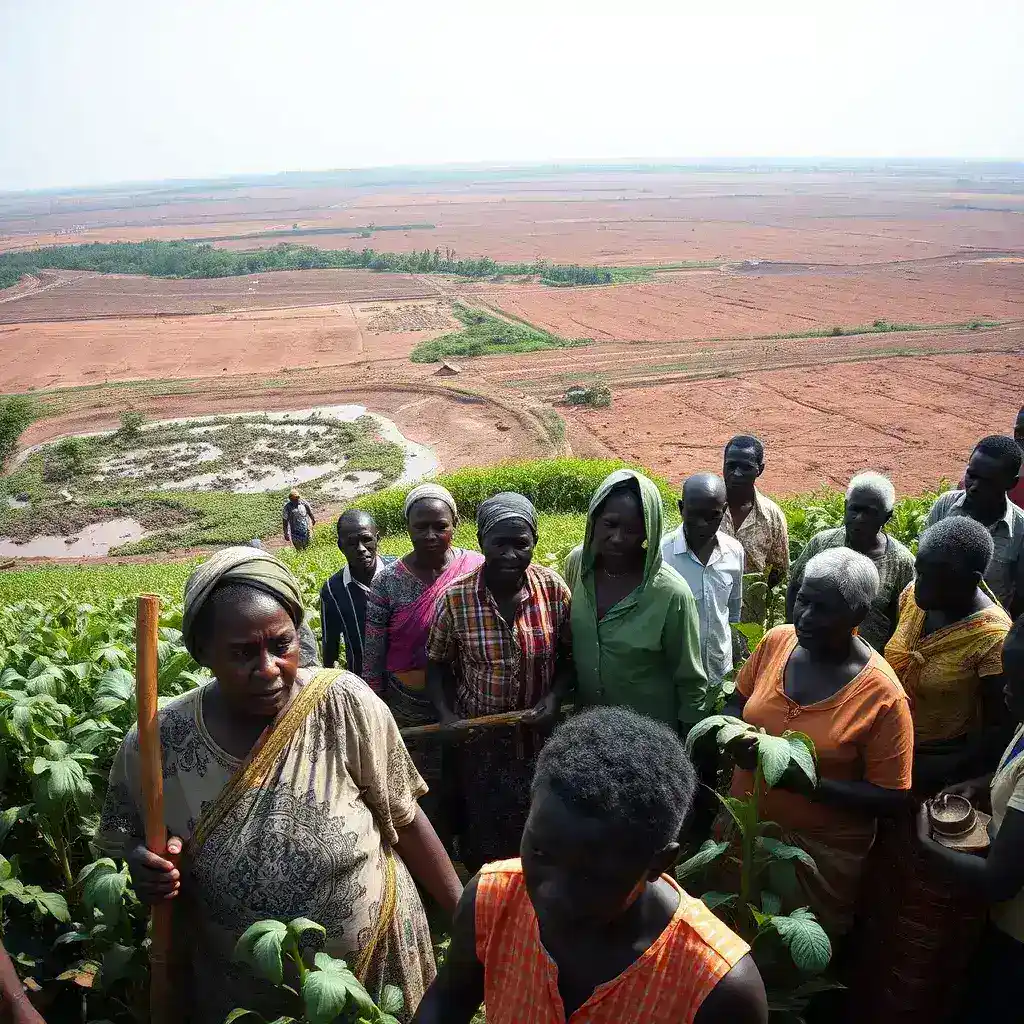
Members of the United Nations Working Group on the Rights of Peasants have issued a stark warning regarding the deteriorating conditions in Ghana’s rural communities. During a recent country visit, the group highlighted how inadequate law enforcement, environmental degradation, and policy deficiencies are jeopardizing the livelihoods, food security, and social stability of farmers, fishers, and pastoralists.
The UN Working Group’s visit, which concluded recently, revealed a significant gap between Ghana’s existing legal frameworks and the daily realities faced by its rural populations. Engagements with various community members underscored widespread concerns about land access, seed policies, and the impact of environmental challenges.
Land Access and Tenure Insecurity
A central issue identified by the Working Group is the pervasive uncertainty surrounding land access and ownership. Ghana operates under a complex plural land tenure system, where customary and statutory laws intersect, often leading to conflicts and insecurity.
While the Land Act of 2020 introduced accountability measures, the Group noted that its enforcement remains inconsistent. This inconsistency leaves many smallholder farmers vulnerable to displacement and loss of their livelihoods, particularly as land is increasingly commercialized in rural and peri-urban areas.
Accessing legal remedies is also a significant hurdle for many. High costs, a lack of information, and power imbalances often prevent vulnerable farmers from effectively utilizing existing legal protections.
Women and young people are disproportionately affected. Despite their crucial roles in agriculture and fisheries, entrenched social norms and structural barriers continue to exclude many women from land ownership and decision-making processes.
Older women farmers are also facing unique challenges, including displacement linked to witchcraft accusations and broader social exclusion, the report noted.
Environmental Degradation and Climate Change Impacts
The escalating crisis is further fueled by the impacts of climate change and illegal mining activities, widely known as ‘galamsey’ in Ghana. Erratic rainfall patterns, declining fish stocks, shrinking grazing lands, and recurrent crop failures are already disrupting food production systems nationwide.
These climate-related pressures are exacerbated by weak infrastructure, inadequate storage facilities, and limited access to vital climate information and financial resources.
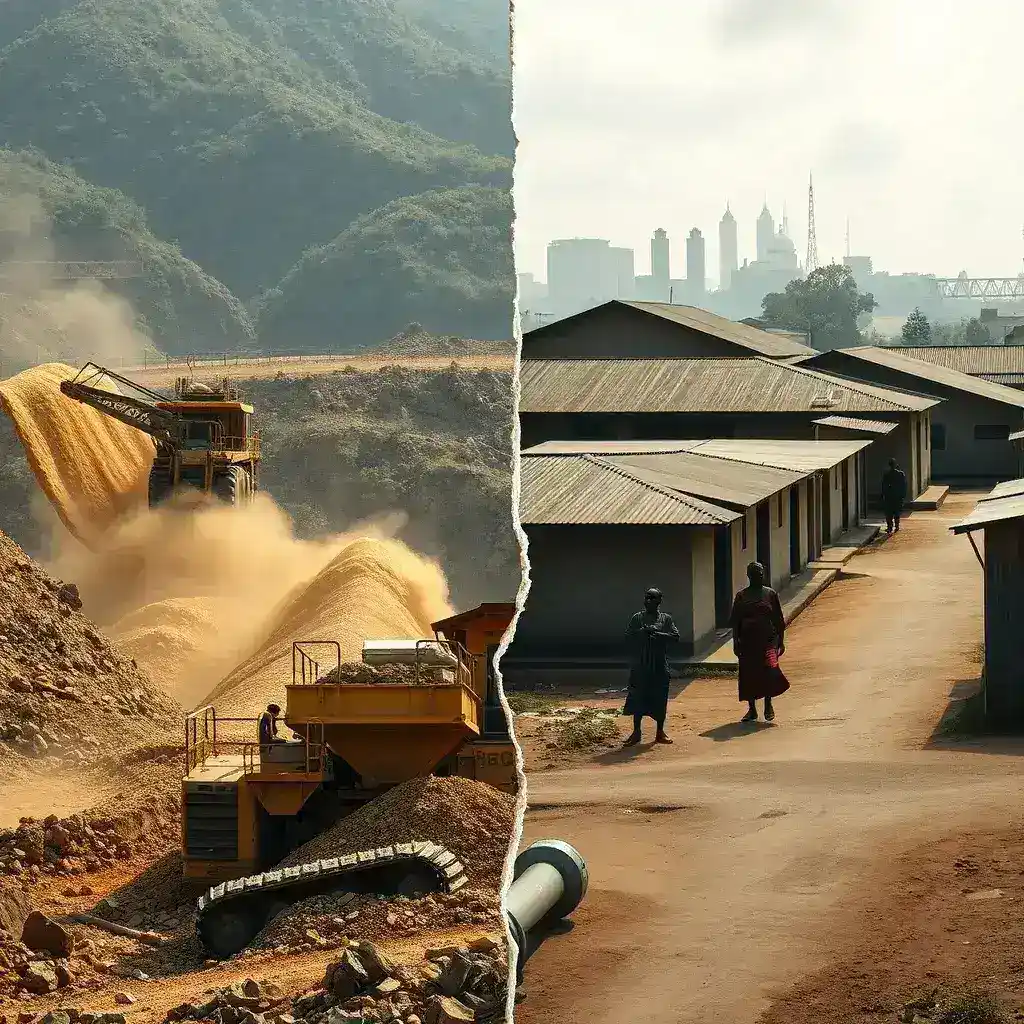
Simultaneously, illegal mining operations are devastating farmlands and polluting crucial water bodies with toxic substances like mercury and cyanide. The Working Group emphasized that the effects of galamsey now pose a national security, public health, and food security threat, extending far beyond the immediate mining communities.
While acknowledging that galamsey provides short-term income for some youth, the Group stressed that this reflects deeper structural failures in job creation and the provision of sustainable livelihood opportunities.
Addressing the practice requires stronger political will to tackle both the economic drivers and the vested interests that perpetuate it, the Group stated, adding that enforcement alone is insufficient.
The Working Group did, however, commend Otumfuo Osei Tutu II for his public condemnation of illegal mining, citing his stance as an example of how traditional leadership can bolster national efforts against environmental destruction.
Seed Policy and Agricultural Innovation Concerns
Ghana’s evolving seed policy framework also emerged as a significant area of concern. Although current government policy ostensibly supports traditional seed systems, recent reforms appear to increasingly favor certified and commercial seed varieties.
This shift risks undermining the fundamental rights of farmers to save, exchange, and reuse indigenous seeds, which are crucial for maintaining agricultural biodiversity and resilience.
Debates surrounding genetically modified (GM) crops, including ongoing GM cowpea trials, have added another layer of complexity. Geneviève Savigny, a member of the Working Group, cautioned that Ghana’s seed policy reforms must strike a balance between fostering innovation and safeguarding farmers’ rights and indigenous knowledge.
“Seed governance must not exclude farmers, but instead actively involve them in shaping policies that directly affect their livelihoods,” Savigny stated. She warned that restrictions on non-certified seeds and the growing influence of biotechnology policies could weaken traditional farming systems that have sustained communities for generations.
Market Access, Finance, and Fisheries Challenges
Long-standing market challenges continue to plague farmers and fishers. Poor road networks, inadequate storage facilities, and exploitative supply chains dominated by middlemen limit their ability to access fair markets and retain profits.
Access to credit remains a critical barrier, especially for smallholder farmers and artisanal fishers who often lack the collateral required by formal financial institutions.
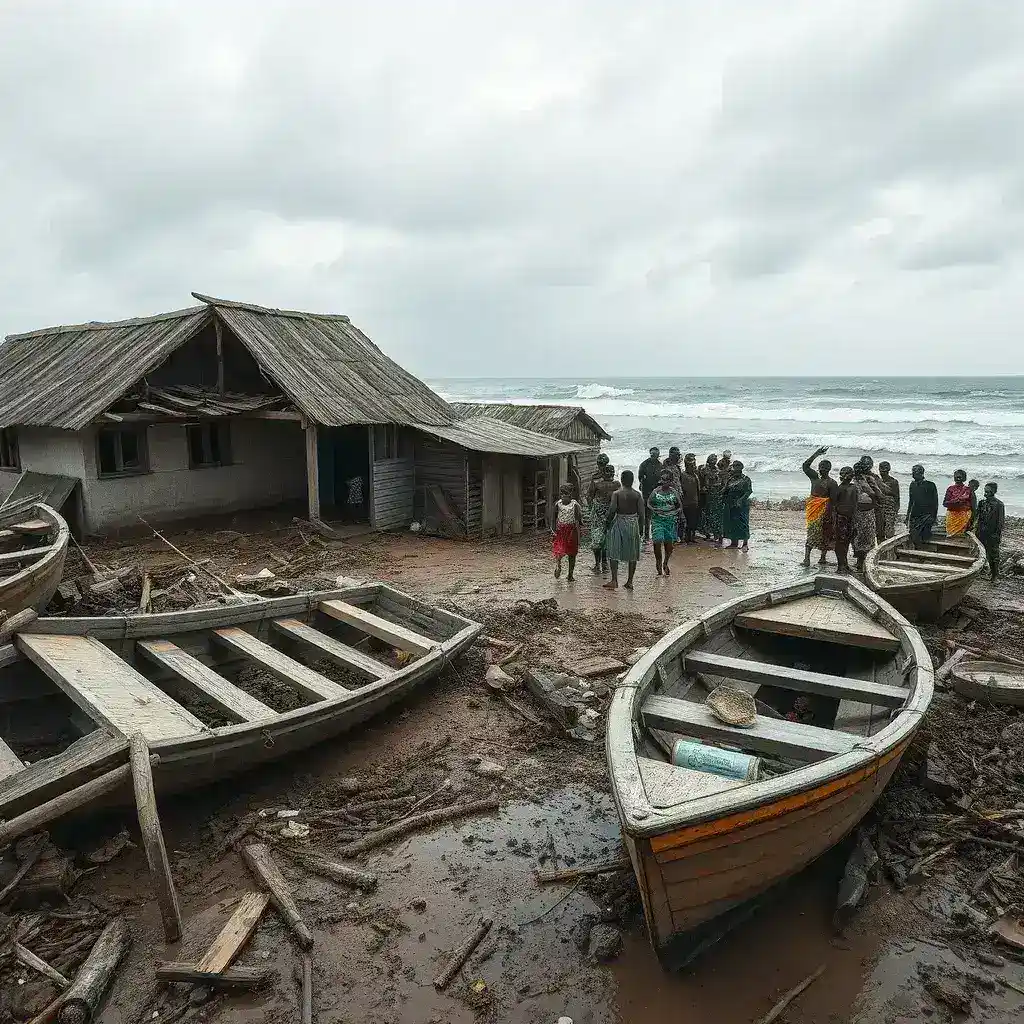
In the fisheries sector, illegal practices such as light fishing and the use of harmful chemicals are contributing to declining fish stocks and threatening coastal livelihoods. Women involved in fish processing and marketing face similar challenges, including limited access to finance and exclusion from governance structures.
While the Fisheries and Aquaculture Act of 2025 represents progress, the Group emphasized that effective implementation is paramount.
Pastoralist Exclusion and Policy Gaps
Pastoralist communities, particularly Fulbe herders, are experiencing deep structural exclusion. Weak legal protections, inadequate documentation systems, and increasing land-use conflicts with farming communities contribute to their precarious situation.
The Working Group called for enhanced land-use planning, stronger mediation systems, and greater inclusion of pastoralists in national policy dialogues.
Translating Policy into Practice
Presenting the preliminary findings on May 14, 2026, Professor Uche Ofodiye, Africa Representative of the UN Working Group on the Rights of Peasants, stressed that the issues raised have broad implications for national security, youth employment, public health, and Ghana’s long-term food sovereignty.
Professor Ofodiye articulated that Ghana’s most significant challenge is not the absence of laws or policies, but the urgent need to translate these into tangible improvements for its rural populations.
The Working Group’s findings underscore the critical need for robust enforcement of existing laws, greater investment in sustainable infrastructure, and inclusive policy-making processes that prioritize the rights and well-being of rural communities. The coming months will be crucial in observing whether Ghana can bridge the gap between its legal commitments and the lived realities of its most vulnerable citizens.






Leave a Reply