

The Democratic Republic of Congo (DRC) has formalized the transfer of 847,818 hectares of rainforest to Indigenous Peoples and local communities, marking the nation’s largest single-day recognition of community lands. This significant handover, formalized through 31 Local Community Forest Concession (CFCL) titles, empowers communities in Tshopo Province with enhanced control over their forests, bringing the total area under community stewardship in the region to over 1.2 million hectares.
This development arrives at a crucial juncture for the Congo Basin, a vital global carbon sink, and aligns with international efforts to bolster climate action, protect biodiversity, and uphold Indigenous land rights. The Tshopo Province, which has experienced the highest rate of tree cover loss in the DRC since 2002, is now a focal point for this community-led conservation initiative.
Context of Land Rights and Conservation
The DRC’s action resonates with global conservation goals, particularly the “30×30” target under the Kunming-Montreal Global Biodiversity Framework, which aims to protect 30% of the world’s land and oceans by 2030. Experts view the DRC’s move as a practical demonstration of community-led conservation grounded in legal recognition and a commitment to long-term sustainability.
The country is also advancing a land-use planning law that prioritizes community rights in forest governance. This legal framework aims to shift forest management paradigms away from top-down approaches that have historically marginalized local populations.
A Historic Day for Community Forestry
Mahmud Mohammed-Nurudeen, Director of Tropenbos Democratic Republic of Congo, described the event as “a landmark in the history of community forestry in the DRC. It is an exceptional, unique, and great day.” He highlighted that this is the first time the DRC has awarded such a large number of community forest titles simultaneously, encompassing both the number of communities and the vast land area secured.
The efficiency of the process was also notable, with the titles being issued within a few months, a stark contrast to previous land rights initiatives that often spanned years. Mohammed-Nurudeen praised the collaborative efforts between local authorities, technical partners, and the Indigenous Peoples and local communities involved.
Supporting Sustainable Livelihoods
While celebrating the legal recognition, Mohammed-Nurudeen emphasized the need for continued investment to support sustainable livelihoods for these communities. “My heart overflows with immeasurable joy, tempered only slightly by the awareness of the long road ahead,” he stated, stressing that translating land rights into viable economic opportunities requires ongoing support.
This initiative is supported by broader commitments such as the Congo Basin Forest Partnership and the Belém Call to Action for the Congo Basin Forests. These partnerships aim to increase financing, strengthen governance, and provide crucial support to Indigenous and local communities throughout the region.
Community-Led Conservation as a Model
In contrast to many global conservation pledges that falter during implementation, the DRC’s action provides legally recognized tenure rights directly to communities. This approach addresses historical conservation models that often excluded Indigenous Peoples and local communities from protected areas. By granting legal recognition to community forest concessions, the DRC is fostering a conservation model that works with, rather than against, local populations.
For the Indigenous Peoples and local communities, these new titles offer vital legal protection against land dispossession. They are recognized as rights-holders and decision-makers, granting them a more influential role in shaping land-use and conservation strategies within their territories.
Protection Against Environmental Degradation
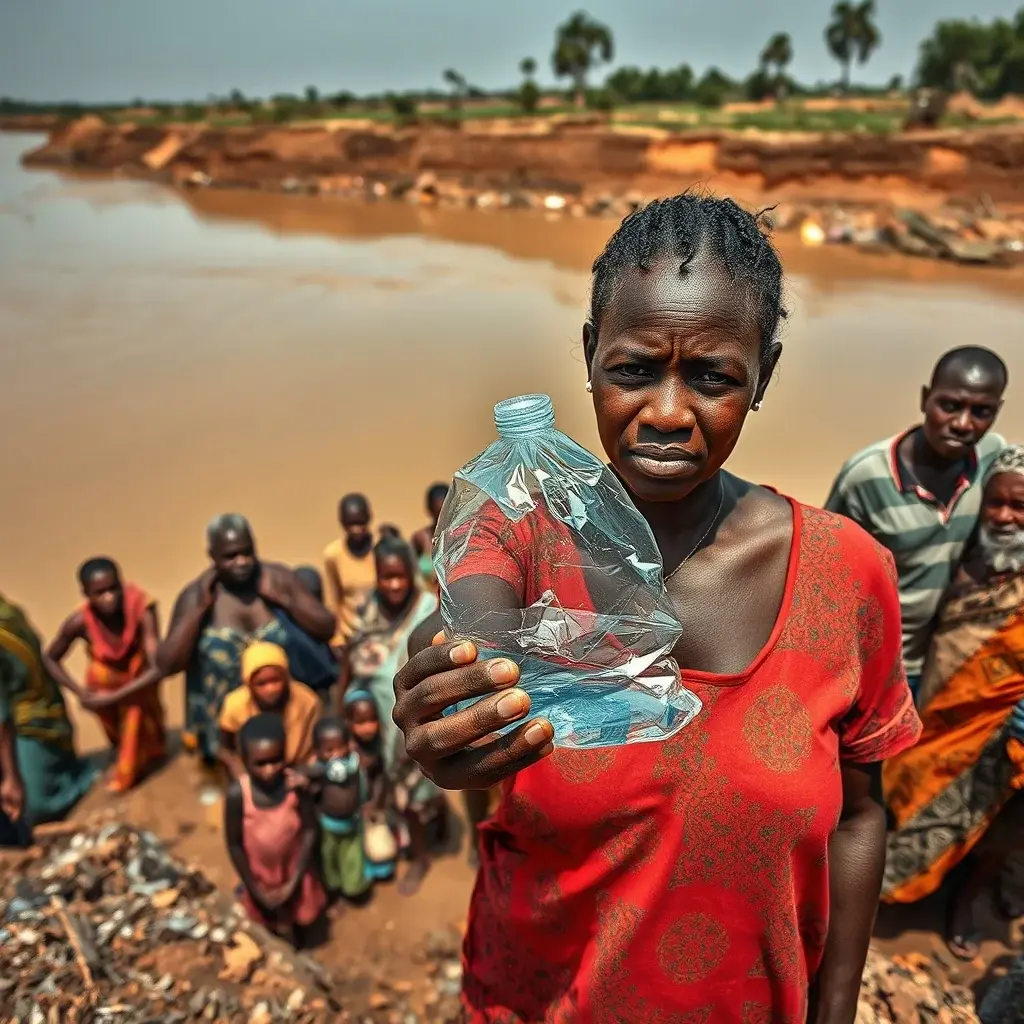
Community members have voiced how these titles serve as a crucial defense against environmental destruction. Marie Andolea, an active member of the BAVAZILI CFCL in Bafwasende Territory, explained that the titles provide protection against threats like illegal gold mining, which has been damaging rivers and forests. “For us, the Indigenous Peoples, this paper is like a shield. It tells everyone that this forest is our home, the one our ancestors left to us,” she said.
Andolea also called for assistance in developing livelihoods that enable communities to protect their forests without exacerbating poverty, underscoring the link between economic well-being and effective conservation.
Global Recognition of Community Forests
Globally, community-managed forests are increasingly acknowledged for their efficacy in biodiversity protection, carbon storage, climate regulation, and fostering resilient local economies. Experts argue that placing forest governance in community hands effectively integrates climate action, biodiversity conservation, and poverty reduction efforts.
Tshopo Province has witnessed a significant surge in community forestry initiatives. After having no community forest concessions between 2014 and 2020, the province is projected to have 43 concessions by the end of 2026, with substantial growth observed since 2023. The recent allocation of 31 titles in a single day sets a new national record for the DRC and signals a strong, growing momentum for community-led forest governance across the Congo Basin.
The implications of this large-scale land transfer are significant. It empowers local stewards to protect vital ecosystems, potentially enhancing carbon sequestration and biodiversity preservation. For the communities themselves, it offers a pathway to secure land rights, increased agency in resource management, and opportunities for sustainable economic development tied to forest conservation. The success of these concessions will likely influence future conservation strategies and land tenure reforms both within the DRC and across the wider Congo Basin region, setting a precedent for how global conservation targets can be met through genuine community empowerment.









Leave a Reply