

The Trades Union Congress (TUC) has issued a stark warning that Ghana faces a perpetual cycle of dependence on the International Monetary Fund (IMF) unless it fundamentally shifts its economic strategy towards production-driven policies. This caution comes as the nation recently exited an IMF-supported Extended Credit Facility programme and entered a new arrangement, highlighting persistent concerns about the sustainability of its economic transformation and job creation efforts.
Context of IMF Engagement
Ghana has a history of engaging with the IMF, often seeking financial assistance during periods of economic instability. The recent move to a 36-month non-financing Policy Coordination Instrument follows a period of significant economic challenges, including high inflation and debt levels.
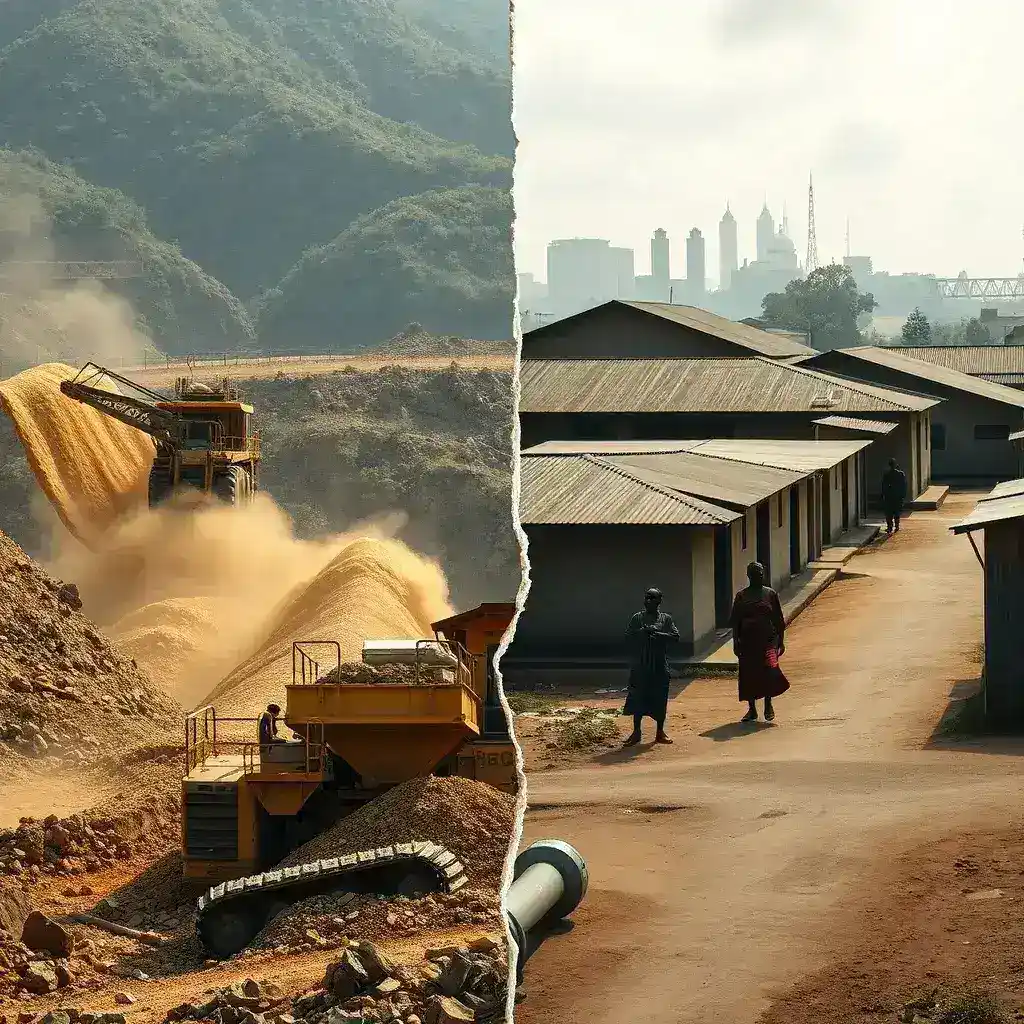
These programmes typically come with conditions aimed at macroeconomic stabilization, such as fiscal consolidation and monetary policy adjustments. While these measures can address immediate crises, critics argue they often overlook or deprioritize the development of the productive sectors of the economy.
The Cycle of Dependence
Dr. Kwabena Nyarko Otoo, Deputy Secretary General of the TUC, articulated the union’s core concern: the lingering influence of IMF-style policies even after official programmes conclude. He stated that Ghanaian policymakers and institutions, including the Ministry of Finance and the Bank of Ghana, exhibit an





Leave a Reply