
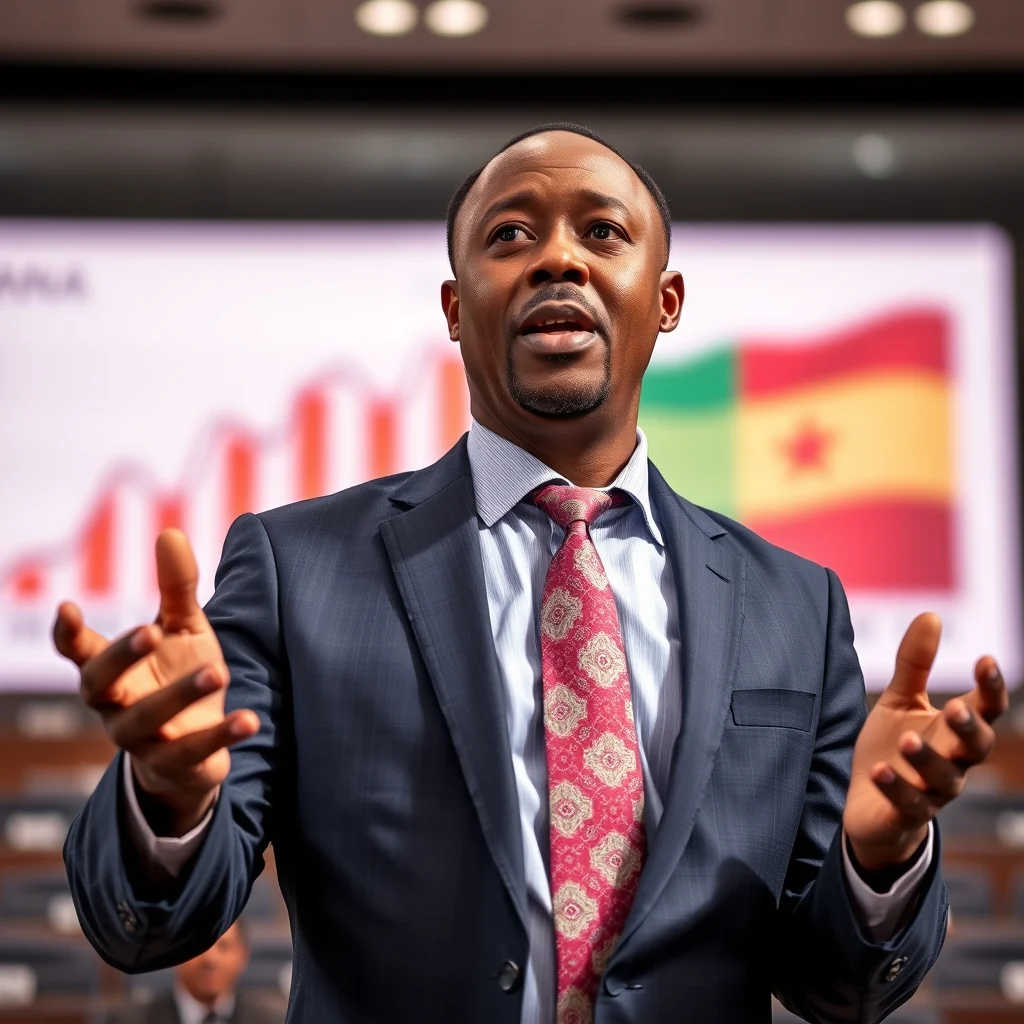
Former Deputy Finance Minister Stephen Amoah has urged Ghana to implement sweeping structural economic reforms to ensure long-term stability and prevent future reliance on International Monetary Fund (IMF) bailout programmes. Amoah’s comments come as Ghana prepares to transition from its current IMF-supported programme to the Policy Coordination Instrument (PCI), which aims to foster policy coordination and fiscal discipline without direct financial assistance.
Context of Ghana’s Economic Challenges
Ghana has a history of seeking IMF assistance to address economic instability, often characterized by high debt levels, fiscal deficits, and currency depreciation. The current IMF programme, initiated to help the country navigate a severe economic crisis, is nearing its end. The transition to the PCI signifies a move towards self-managed economic policies, but experts and former officials like Amoah are emphasizing the need for deeper, systemic changes to solidify these gains.
Critique of Current Expenditure Control
Dr. Amoah expressed strong reservations about the current approach to expenditure control, arguing that arbitrary spending cuts are insufficient and potentially damaging. He questioned the methodology behind significant expenditure reductions, emphasizing the need for rigorous econometric analysis to guide such decisions.







Leave a Reply