
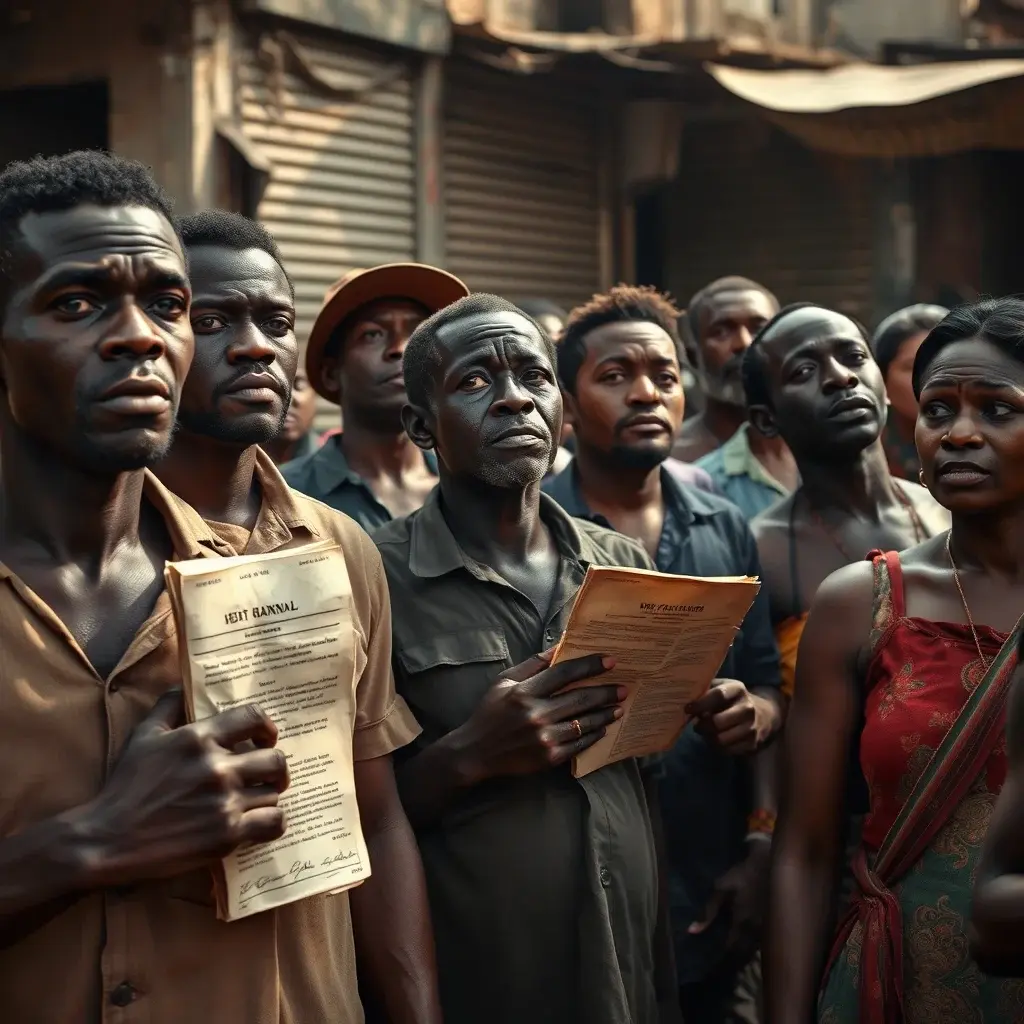
Ghanaian President John Dramani Mahama faces mounting questions regarding his campaign promises to compensate customers of collapsed financial institutions, with many victims still awaiting action nearly 18 months into his administration. The issue, a central theme during his 2024 election campaign, has seen Finance Minister Cassiel Ato Forson publicly temper expectations, creating a stark contrast to the firm pledges made while in opposition.
Context of the Banking Sector Crisis
Ghana experienced a significant financial sector clean-up initiated in 2017, leading to the collapse of numerous banks, microfinance companies, and savings and loans institutions. This process, while aimed at stabilizing the financial system, resulted in the loss of billions of Ghana cedis for depositors and investors.
Thousands of individuals and businesses saw their life savings and investments locked up, with many facing severe financial hardship, business closures, and psychological distress. The scale of the crisis created a deep reservoir of public frustration and a strong demand for government intervention and compensation.
Campaign Promises and Shifting Narratives
During the 2024 election campaign, then opposition leader John Dramani Mahama made explicit promises to address the plight of these affected customers. At the unveiling of his running mate in 2020, he declared, “We shall, within one year of being in office, pay customers of the collapsed financial institutions all funds locked up.” He reiterated this pledge, stating, “I pledge on behalf of the NDC that we shall pay within one year all who have funds locked up with the collapsed financial institutions. Within one year. I promise!”
These pronouncements were not isolated incidents. In 2024, as he campaigned for a return to power, Mahama reinforced these commitments. He assured victims that he would restore the licenses of institutions he deemed “wrongfully collapsed” and even told owners of some collapsed banks, “I’ll give your banks back to you.” These statements were delivered publicly and resonated with a significant segment of the electorate.
Current Administration’s Stance
However, nearly a year and a half into President Mahama’s term, many affected customers report no tangible progress towards receiving their funds. The situation has been further complicated by recent statements from Finance Minister Cassiel Ato Forson.
Speaking on the program PM Express, Minister Forson suggested that immediate full compensation might not be feasible. He indicated that the government’s fiscal capacity is strained, citing the competing demands from critical sectors like health and education. “The government cannot continue absorbing the liabilities of failed private institutions while critical sectors like health and education also demand funding,” Forson stated, seemingly downplaying the urgency and certainty conveyed in the earlier campaign pledges.
Victims’ Reactions and Doubts
For thousands of Ghanaians who believed Mahama’s firm assurances, the Finance Minister’s comments have been disheartening. Many feel betrayed, viewing the statements as a contradiction to the confident and specific promises made during the election period.
This discrepancy has fueled public discourse and raised critical questions about the government’s planning and commitment. Key among these are whether the financial implications of the promises were fully assessed before they were made, if the pledges were ever realistic, or if they served primarily as politically expedient rhetoric to garner votes.
Implications for Governance and Trust
The situation highlights a broader challenge in political accountability and the maintenance of public trust. Leadership, critics argue, involves not only the ability to win elections through powerful messaging but also the responsibility to follow through on commitments with consistent action and transparency.
The prolonged silence from President Mahama on this specific issue, following the loud applause his promises once received, is now a significant point of concern. Thousands of affected customers remain in a state of anxious anticipation, hoping that the impactful campaign slogan “Within one year. I promise!” was more than just a political tool.
Looking Ahead
The coming months will be crucial in determining how President Mahama’s administration addresses this lingering issue. Observers will be watching closely for concrete policy actions or clear communication that either fulfills the campaign pledges or provides a transparent explanation for any delays or modifications. The government’s ability to navigate this situation will significantly impact public confidence in its electoral promises and its commitment to economic justice for all Ghanaians.







Leave a Reply