
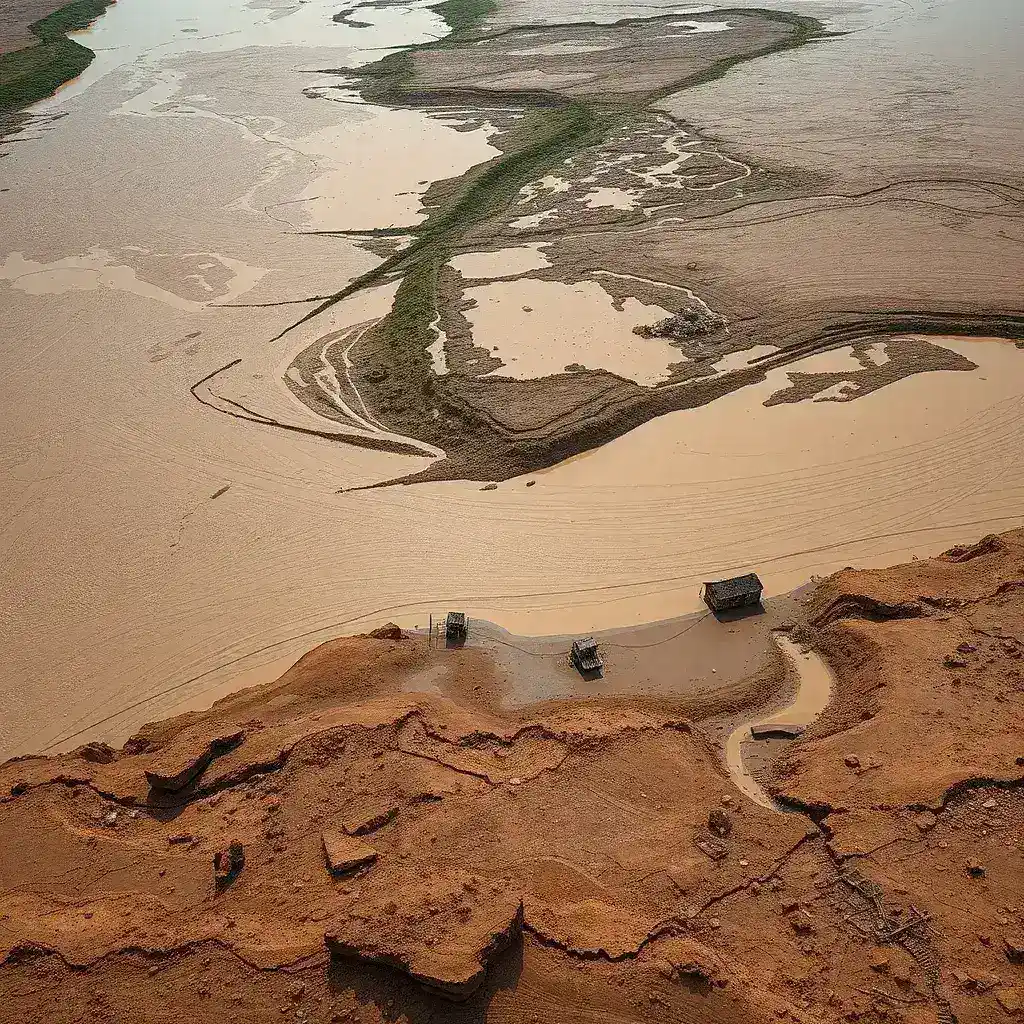
Professor of Finance and Economics at the University of Ghana, Godfred Bokpin, has warned that Ghana’s economic recovery cannot be sustained unless the government tackles major structural challenges, particularly the environmental destruction caused by illegal mining. Speaking on Joy FM’s Super Morning Show on Thursday, May 21, Prof. Bokpin emphasized the need for a comprehensive economic management approach, rather than focusing solely on fiscal targets, stating that selective success is not sustainable.
Comprehensive Approach Needed for Economic Stability
Prof. Bokpin made these remarks while discussing the long-term sustainability of Ghana’s economy and its continued reliance on International Monetary Fund (IMF) programmes. He cautioned that Ghana remains vulnerable despite recent economic gains, predicting a potential return to an IMF programme by 2032 or 2033 if deeper reforms are not implemented.
This prediction follows a discussion on whether Ghana could maintain economic stability if the government avoided excessive spending ahead of the 2028 general elections. Prof. Bokpin argued that such discipline alone is insufficient to guarantee long-term stability.
Leveraging IMF Facilities for Environmental Challenges
He highlighted that Ghana’s current government decision to adopt the Policy Coordination Instrument (PCI) in 2026 aligns with proposals economists made in 2019 after the country exited a previous IMF programme. However, he stressed that signing onto the PCI is not enough to secure Ghana’s economic future.
Prof. Bokpin urged the government to take a bolder step by using the PCI as a pathway to access the IMF’s Resilience and Sustainability Facility (RSF). This facility offers financial support to countries addressing environmental and climate-related risks.









Leave a Reply