
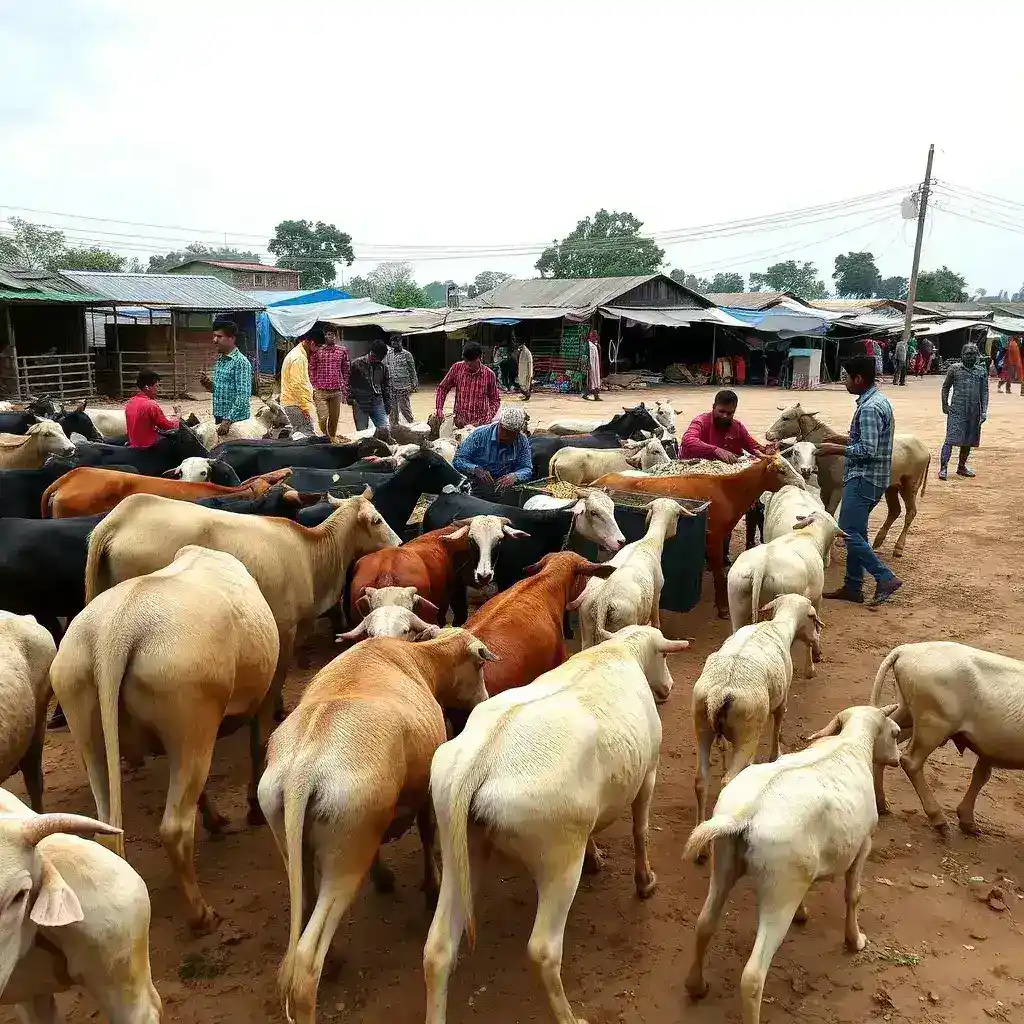
The Veterinary Services Department under the Ministry of Food and Agriculture has issued a stern warning against the mushrooming of unauthorised temporary livestock markets across the country in anticipation of the upcoming Islamic festival. The department highlighted on [Insert Date or Week of Announcement] that these unregulated trading points present significant public health and environmental hazards, urging strict adherence to established regulations.
Context: Religious Observance and Regulatory Compliance
The Islamic festival, a period of significant religious and cultural importance, traditionally involves the purchase and sale of livestock for sacrifice. This practice, while deeply rooted in tradition, necessitates careful oversight to prevent the spread of diseases and maintain public safety.
The Veterinary Services Department acknowledged the cultural significance of the festival but emphasized that all livestock trading activities must comply with veterinary, public health, sanitation, and local government regulations. This includes obtaining necessary permits and adhering to biosecurity protocols.
Concerns Over Unregulated Operations
Observations revealed that numerous temporary animal markets are operating in open spaces in various towns and cities without essential veterinary inspections, approved sanitation systems, or biosecurity measures. Many lack official authorisation from the relevant authorities.
These unregulated operations significantly increase the risk of zoonotic diseases—those that can be transmitted from animals to humans—and transboundary animal diseases, which can spread across borders. Additionally, they contribute to environmental pollution, obstruct traffic, and create public safety challenges.
The Department cited its mandate under the Diseases of Animals Act, 1961 (Act 83), which empowers it to prevent and control animal diseases and regulate activities that threaten animal and public health. Operators, traders, and the general public are urged to comply with all regulatory requirements governing the movement and sale of livestock.
Enforcement and Call for Cooperation
The Department has directed that all temporary livestock markets established for the festival must be dismantled immediately after the celebrations conclude. Failure to comply with this directive will result in enforcement actions.
These actions may include the closure of unauthorised markets, potential confiscation of animals, and other sanctions imposed by relevant authorities. The Veterinary Services Department is actively seeking cooperation from various stakeholders to ensure compliance.
This includes Metropolitan, Municipal and District Assemblies, Regional Coordinating Councils, security agencies, traditional leaders, religious leaders, livestock traders, and the general public. Their collective effort is deemed crucial for protecting animal health, ensuring public safety, and maintaining environmental sanitation.
Implications and Future Outlook
The warnings underscore the ongoing tension between traditional practices and modern public health and environmental standards. For consumers, this means a greater responsibility to ensure that livestock purchased for the festival comes from approved and inspected sources to minimise health risks.
The directive also signals a stricter approach by regulatory bodies to enforce existing laws concerning animal trade. Livestock traders who operate outside these regulations face significant penalties, potentially impacting their livelihoods and the supply chain for the festival.
Looking ahead, the emphasis on veterinary inspection, sanitation, and biosecurity in temporary markets may pave the way for more structured and regulated livestock trading practices, even for seasonal events. The success of this initiative will depend on sustained collaboration between government agencies, local authorities, and the community.








Leave a Reply