
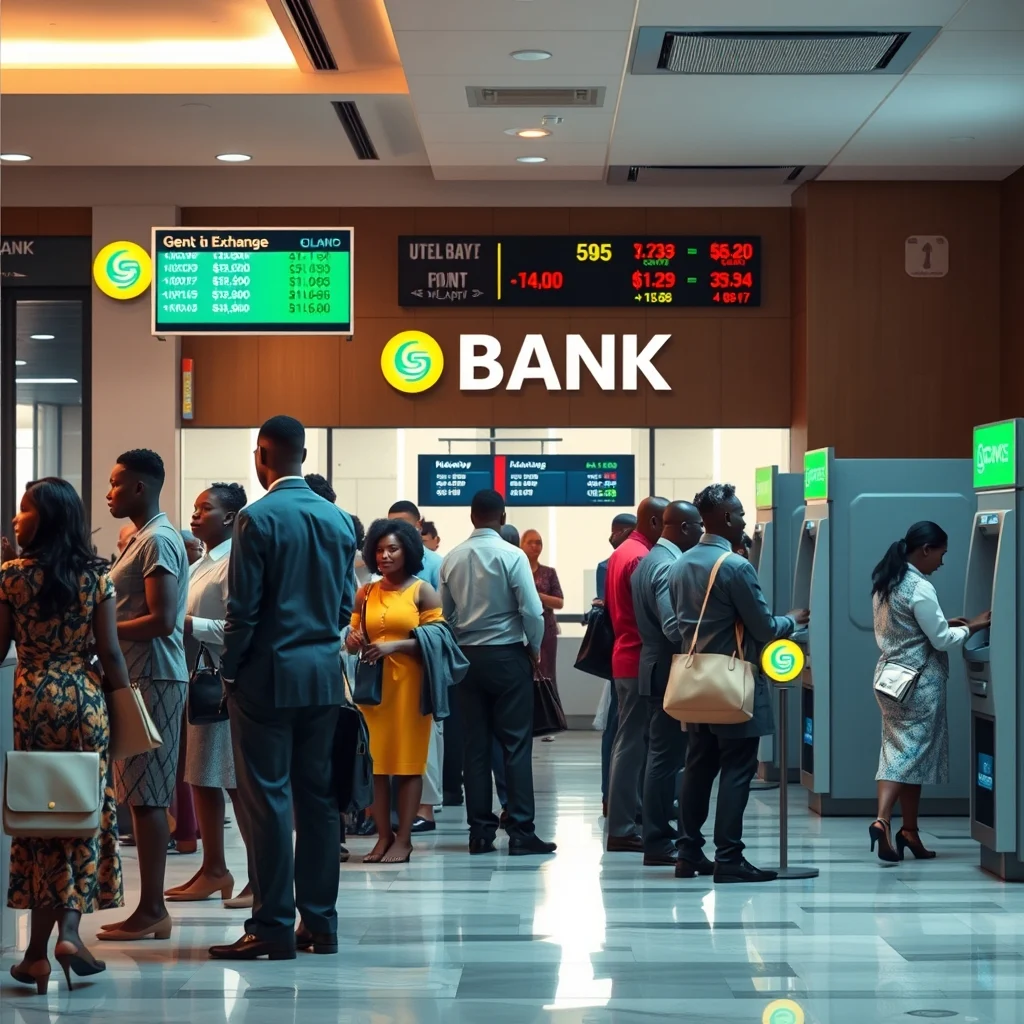
Dr. Gideon Boako, Member of Parliament for Tano North and Deputy Ranking Member on Parliament’s Finance Committee, has predicted an impending rise in bank charges across Ghana, effective June 4. This forecast stems from recent financial and regulatory adjustments within the nation’s banking sector, which Dr. Boako suggests will soon translate into increased costs for customers.
Context of Financial Sector Adjustments
Dr. Boako’s prediction follows a period of significant activity and discussion surrounding Ghana’s financial landscape. The banking sector has been undergoing various reforms and policy shifts, including adjustments to the Cash Reserve Ratio framework, implemented by the Bank of Ghana. These measures are often introduced to stabilize the economy, manage inflation, or ensure the soundness of financial institutions.
The lawmaker, known for his commentary on monetary policy and banking regulations, indicated that his latest forecast is informed by his comprehensive analysis of broader financial sector trends and internal market developments. His statement, shared via social media on Friday, May 22, highlights his observation that “I observe in whole and analyse in whole.” This suggests a holistic view of the economic environment and its potential repercussions.
Potential Drivers for Increased Charges
While Dr. Boako did not specify the exact reasons for the anticipated increase, several factors commonly lead to adjustments in bank charges. These can include increased operational costs for banks, the need to comply with new regulatory capital requirements, or strategic decisions to improve profitability in a challenging economic climate. The ongoing efforts by the Bank of Ghana to strengthen the financial sector might also involve measures that indirectly impact the cost of services for consumers.
Previous periods of economic recalibration in Ghana have seen financial institutions reassess their fee structures. Factors such as inflation, currency depreciation, and changes in lending rates can influence the cost base for banks, compelling them to revise charges on services ranging from account maintenance and withdrawals to electronic transfers and loan processing.
Expert Perspectives and Data
Dr. Boako’s position on the Finance Committee provides him with insights into the economic policies and banking sector performance. His prediction serves as an early warning to consumers and businesses about potential changes in their banking expenses. While specific data supporting the exact date of June 4 was not provided, his statement implies that these adjustments are either already decided or are in the final stages of implementation by financial institutions.
Industry analysts often point to the interplay between central bank policies and commercial bank pricing strategies. When the central bank tightens monetary policy or imposes new requirements, banks often pass on some of these costs to their customers to maintain their profit margins. The precise impact on consumers will likely vary depending on the specific charges being adjusted and the policies of individual banks.
Implications for Consumers and Businesses
An increase in bank charges could have a tangible impact on the daily financial lives of many Ghanaians. For individuals, this might mean higher fees for basic banking transactions, potentially affecting low-income earners disproportionately. For businesses, particularly small and medium-sized enterprises (SMEs), increased charges could add to operational overheads, potentially affecting their competitiveness and profitability.
Customers are advised to review their bank statements and understand the fee structures of their respective financial institutions. Proactive engagement with banks to explore cost-saving options or alternative account types might become increasingly important. The anticipated rise also underscores the need for greater financial literacy and awareness regarding the costs associated with financial services.
Looking Ahead
As June 4 approaches, the public and business community will be watching closely for official announcements from banks or the Bank of Ghana confirming or elaborating on these predicted charge increases. Understanding the specific nature and extent of these changes will be crucial for financial planning. Further analysis of the Bank of Ghana’s recent policy directives and their cascading effects on the banking sector will likely reveal more about the underlying reasons and the long-term implications for financial services in Ghana.









Leave a Reply