

Bhopal, India – On May 12, model and actor Twisha Sharma, 33, was found dead in her matrimonial home just five months after marrying lawyer Samarth Singh. Her parents allege murder due to dowry demands by Singh and his mother, retired judge Giribala Singh, while the latter claims Twisha suffered from mental health issues and committed suicide. The case has ignited a media frenzy, drawing national attention to the persistent issue of dowry deaths in India.
Background of Dowry Deaths in India
Dowry, the transfer of gifts and money from the bride’s family to the groom’s family, is illegal in India. However, it remains a deeply entrenched social practice. Thousands of women are reportedly murdered or driven to suicide each year due to dowry-related disputes, often referred to as “dowry deaths.” These cases, while tragic and numerous, typically receive limited media coverage. The current case, however, has captured significant public and media attention due to the high-profile status of the accused family.
The Twisha Sharma Case Unfolds
Twisha Sharma, a former Miss Pune and aspiring actor, married Samarth Singh, a Bhopal-based lawyer, in December 2025 after meeting on a dating app. Her family alleges that shortly after the wedding, the Singh family began demanding more dowry, deeming the initial gifts insufficient. Tensions reportedly escalated in April when Twisha became pregnant. Her family claims that Samarth and Giribala Singh accused her of infidelity and forced her to undergo an abortion, allegations that Giribala Singh denies, stating Twisha wanted the abortion.
The night of Twisha’s death, her father received a WhatsApp call from her around 9:41 PM. The call was abruptly disconnected, and subsequent attempts to reach her were unsuccessful. Twenty minutes later, Giribala Singh reportedly informed Twisha’s parents that she was deceased. Twisha’s family has questioned why the in-laws did not immediately notify the police, especially given Giribala Singh’s background as a retired judge.
Conflicting Narratives and Legal Battles
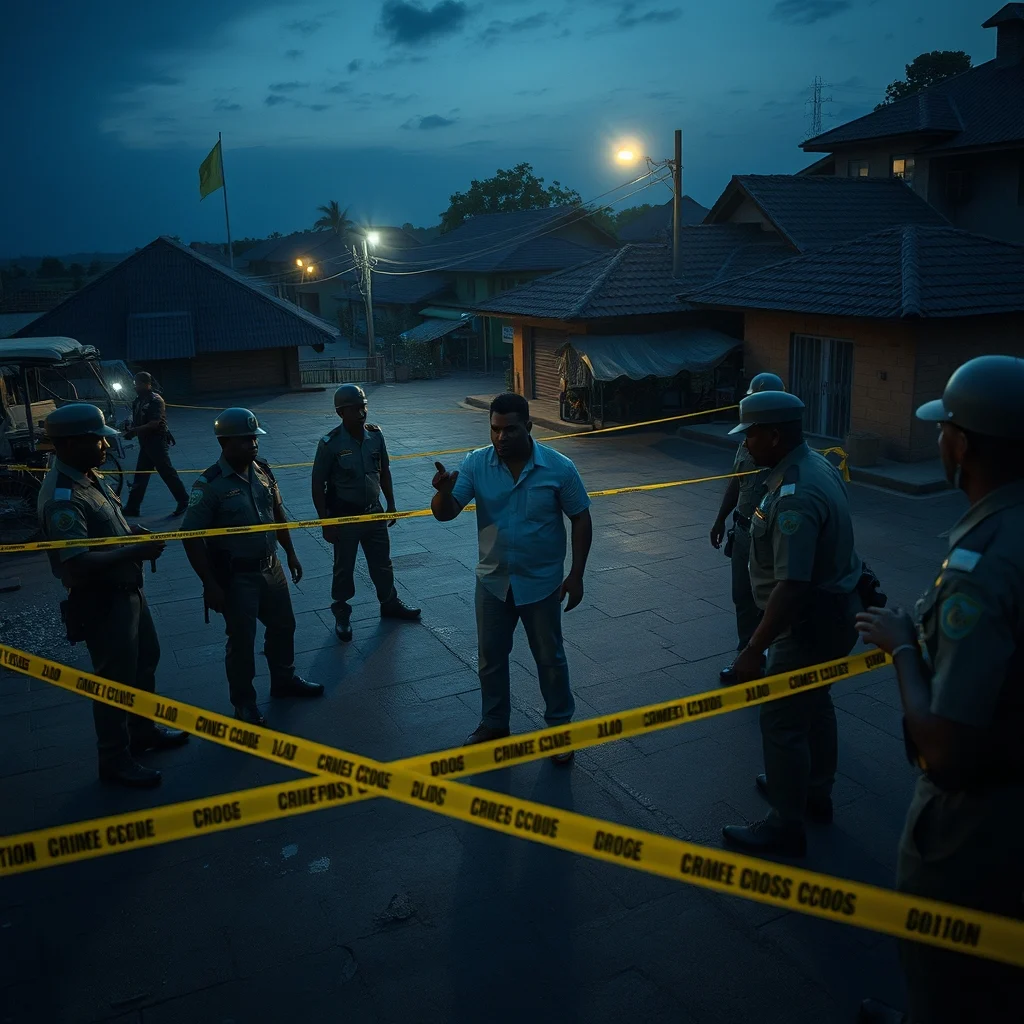
The initial post-mortem report indicated death by hanging but also noted injuries sustained prior to death, prompting Twisha’s family to seek a second post-mortem, which was granted by the high court. Police have registered a case of dowry death against Samarth and Giribala Singh. Samarth Singh is currently absconding, with a cash reward offered for information leading to his arrest and a lookout notice issued to prevent him from leaving the country. His bail application has been rejected, and he has been ordered to surrender by May 23.
Giribala Singh has obtained anticipatory bail but has faced public outrage for giving media interviews discussing Twisha’s alleged mental health issues and making comments perceived as defamatory. Her defense claims Samarth is in hiding on legal advice to avoid mob violence. She maintains her son is grieving his wife.
Judiciary Under Scrutiny
The intense media focus on this case stems, in part, from the public perception of the judiciary. The expectation is that members of the judiciary, particularly retired judges like Giribala Singh, uphold the highest ethical standards. Her public statements and the allegations against her family have placed the judiciary itself under a microscope, raising questions about accountability and public trust.
The Bhopal Police Commissioner initially stated that the investigation pointed towards suicide, based on the post-mortem and initial findings. However, following appeals from Twisha’s family and public pressure, the Chief Minister of Madhya Pradesh has ordered a probe by the Central Bureau of Investigation (CBI) to ensure a thorough and impartial investigation.
Implications and Future Outlook
This case highlights the persistent challenges of dowry-related violence in India and the difficulties victims and their families face in seeking justice, particularly when powerful individuals are involved. The involvement of the CBI signals a potential turning point, offering hope for a more transparent investigation. The outcome will be closely watched, not only for the justice it may bring to Twisha Sharma but also for its broader implications on the enforcement of laws against dowry and domestic violence, and the public’s faith in the judicial system.








Leave a Reply