
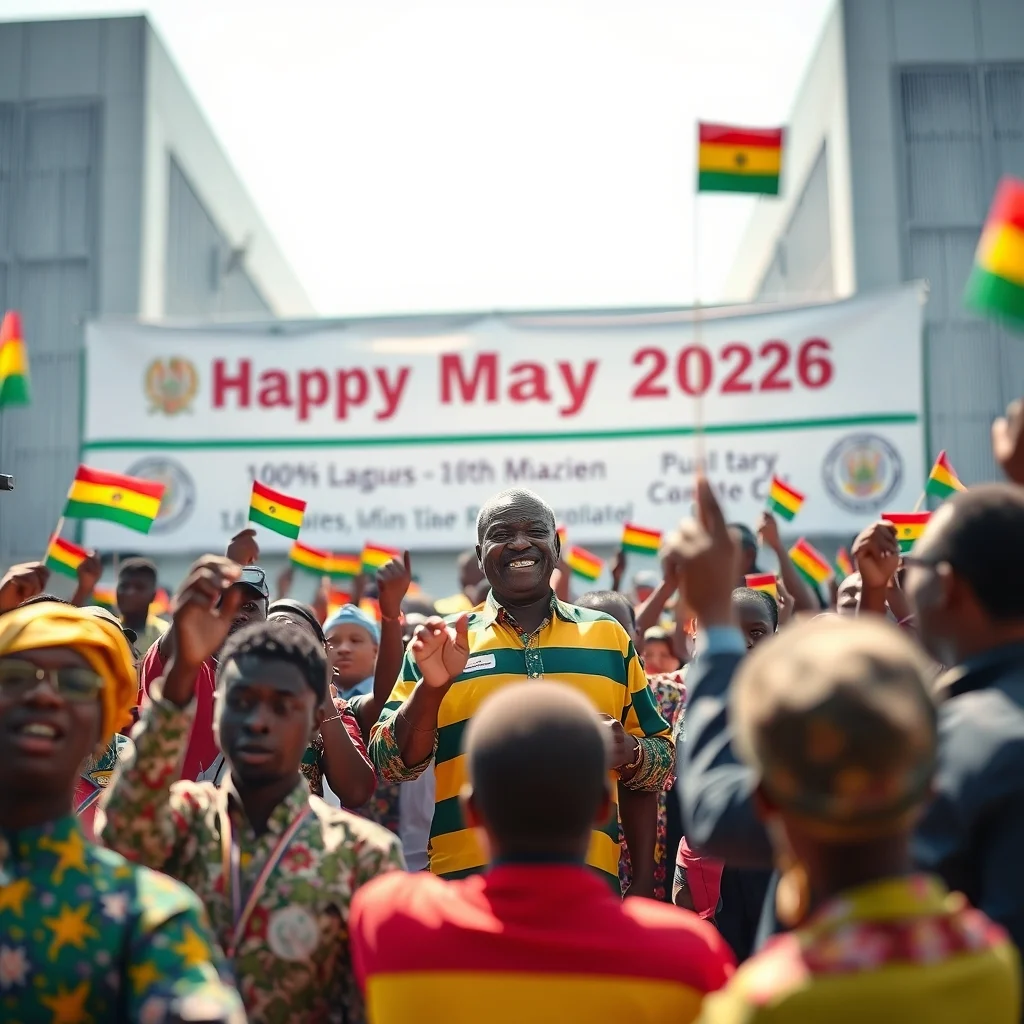
President John Dramani Mahama announced on Friday, May 1st, that the government has successfully revived numerous state-owned enterprises (SOEs) that were previously on the verge of collapse. Speaking at the 2026 May Day celebrations, he highlighted deliberate policy interventions and financial support as key factors enabling the restoration of operations and efficiency in crucial public institutions.
Revitalization Efforts Underway
President Mahama stated that his administration has invested significant effort into turning around struggling SOEs. He presented the Tema Oil Refinery (TOR) as a prime example, noting its return to operational status after an extended period of dormancy.
The President also disclosed that both the Agricultural Development Bank (ADB) and the National Investment Bank (NIB) have undergone recapitalization. These measures aim to bolster their financial standing and enhance their capacity to stimulate economic growth.
Further recovery efforts were highlighted at the Tema Shipyard, which the President indicated is progressively regaining stable operations.
Strategic Economic Imperative
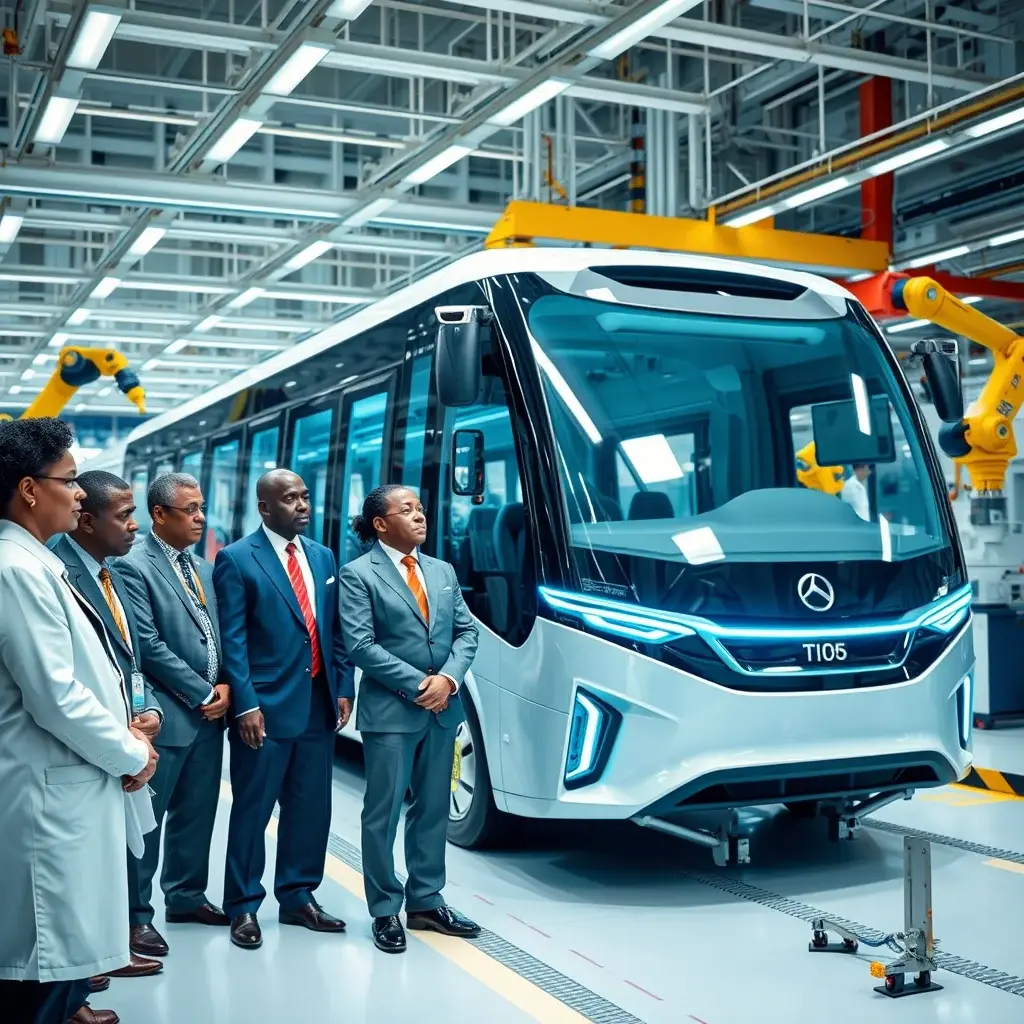
These initiatives, according to President Mahama, are integral to a comprehensive economic strategy. The objective is to restore faith in public institutions and re-establish them as vital engines for industrialization, job creation, and overall national development.
He underscored the critical role of revitalized SOEs in sustaining Ghana’s economic recovery. Ensuring that the benefits of economic growth are widely distributed across the population remains a central focus.
Context of SOE Performance
The revival of state-owned enterprises has been a persistent challenge for many developing economies. SOEs often face issues such as inefficient management, political interference, lack of capital, and outdated infrastructure.
Historically, many Ghanaian SOEs have struggled with financial viability, leading to their dependence on government subventions or, in severe cases, their near collapse. This situation often hinders their ability to contribute effectively to economic development and provide essential services.
ADB and NIB Recapitalization
The recapitalization of ADB and NIB is particularly significant. These banks play a crucial role in financing key sectors of the economy, including agriculture and industrial investment.
Strengthening their financial base through recapitalization allows them to extend more credit, absorb potential losses, and comply with regulatory capital requirements. This, in turn, supports broader economic objectives such as increased agricultural productivity and industrial expansion.
TOR’s Operational Resumption
The Tema Oil Refinery’s return to operation is a critical development for Ghana’s energy sector. TOR’s prolonged shutdown has historically led to increased reliance on imported refined petroleum products, impacting foreign exchange reserves and domestic fuel prices.
A fully operational TOR can help ensure a more stable supply of refined fuels, reduce import dependency, and potentially create jobs within the sector. Its efficiency and profitability are key indicators of the success of government interventions.
Broader Economic Implications
The successful revival of these SOEs could signal a positive shift in Ghana’s economic management. It suggests a commitment to strengthening public institutions and leveraging them for national development.
Such successes can boost investor confidence, both domestic and international, by demonstrating effective governance and policy implementation. This can attract further investment into other sectors of the economy.
Looking Ahead
The focus will now be on the sustained performance and long-term viability of these revived SOEs. Key indicators to watch will include their profitability, efficiency gains, contribution to job creation, and reduced reliance on government bailouts.
Continued transparency in their operations and robust oversight mechanisms will be crucial to ensuring that these enterprises fulfill their mandate as drivers of national development and economic prosperity.








Leave a Reply