
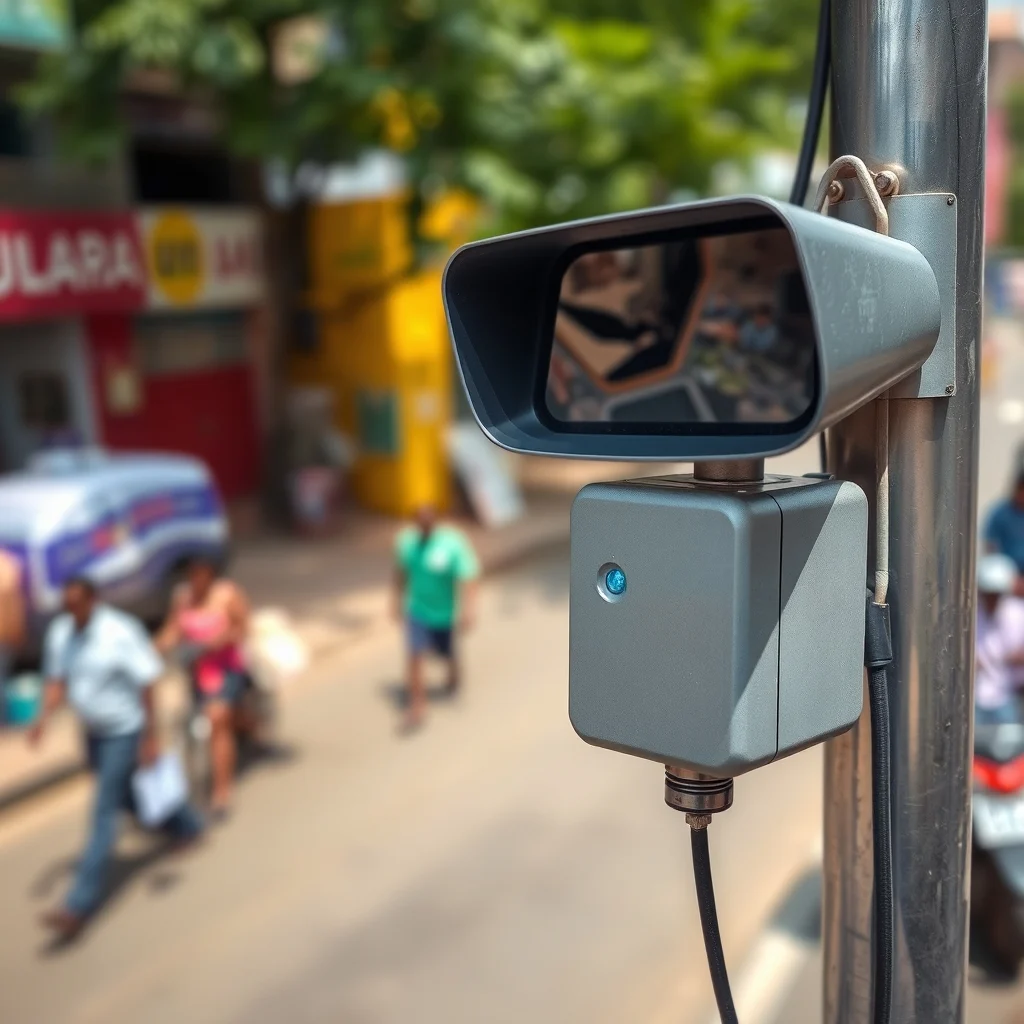
Accra, Ghana – Municipal assemblies in Accra are now equipped with real-time pollution data as the Breathe Accra initiative expands its air quality monitoring network. This expansion, announced recently, aims to provide crucial scientific data to authorities, enabling informed decision-making and enforcement against pollution sources like open waste burning.
The Challenge of Air Pollution Data in Africa
Air pollution, stemming from vehicle emissions, waste burning, and dust on busy roads, has long been a pervasive issue in Accra. However, a significant challenge has been the scarcity of scientific data to quantify pollution levels in specific communities. This lack of data has hampered the ability of authorities to take effective action.
Desmond Appiah, Clean Air Fund Lead in Ghana, highlighted this as a major hurdle across Africa. He stated that the low level of air quality data collection means critical information is not effectively reaching policymakers in an understandable format. Without this data, addressing pollution sources, such as the illegal practice of open burning, remains difficult for city officials.
Breathe Accra Expands Network to Empower Municipalities
Recognizing this gap, organizations like Breathe Accra are actively working to change the situation. With financial support from Breathe Cities, the project has entered its second phase, distributing three additional air quality sensors to each of the thirteen municipal assemblies in Accra.
This initiative significantly increases the number of real-time air quality sensors in the capital to over fifty, establishing the largest network of its kind in Ghana and the wider sub-region. The goal, according to Breathe Accra Project Coordinator Kelvin Yeboah, is to empower these assemblies with data-driven insights for policy development and the enforcement of existing bylaws.










Leave a Reply