
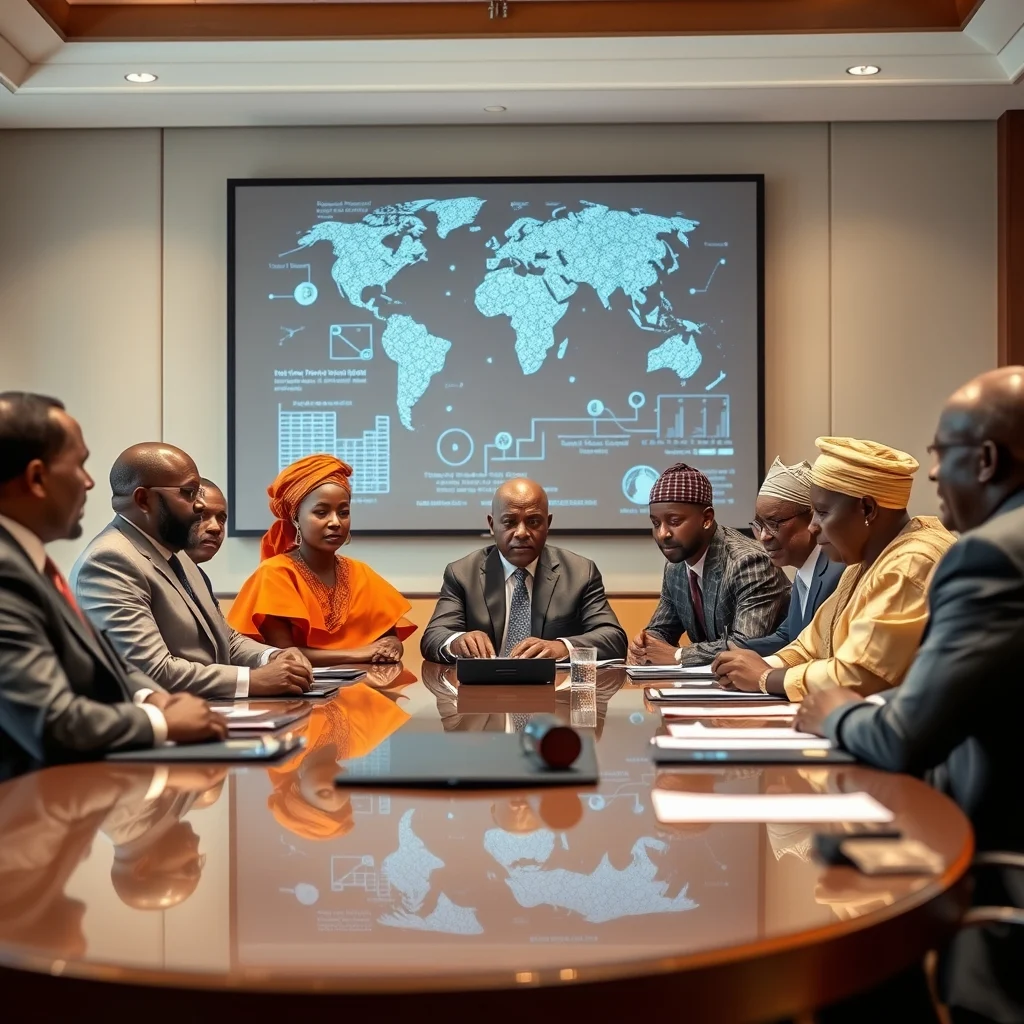
Accra, Ghana – June 3, 2024 – Dr. Clement Abas Apaak, Deputy Minister for Education, issued a strong call to African leaders at the eLearning Africa conference, urging them to accelerate investments in digital infrastructure to challenge the overwhelming dominance of American technology companies on the global stage.
Africa’s Digital Independence at Stake
Speaking at a ministerial roundtable held at the Labadi Beach Hotel, Dr. Apaak highlighted Africa’s minimal representation among leading global technology firms, nine of which are American. He expressed deep concern that the continent’s reliance on foreign-controlled digital infrastructure hinders its ability to assert true digital independence.
“Because if out of the ten global giants in the area of technology, not even one is African, nine are American, and if our emails have to still bounce off Europe and America to get to us, then what is really our basis for trying to assert some semblance of independence?” Dr. Apaak questioned, underscoring the critical need for self-reliance.
The Case for Continental Digital Infrastructure
The Deputy Minister argued that building robust continental digital infrastructure is paramount for Africa to fully leverage advancements in artificial intelligence (AI) and other emerging technologies. This infrastructure is seen as the bedrock for controlling the continent’s technological destiny.
To achieve this, Dr. Apaak proposed a concrete financial commitment from African governments. He suggested that governments commit “about 1-2% of their annual GDP towards a pool or a fund that would support the building of the continental-level digital infrastructure.” This pooled resource could then provide the necessary foundation to localize digital technologies.
Domesticating Technology and Local Expertise
Such a fund, he explained, would be instrumental in domesticating digital technology, ensuring that AI development and deployment align with African realities, cultures, and value systems. Beyond infrastructure, Dr. Apaak emphasized the crucial role of fostering local expertise and institutions.
“So for me that is the biggest challenge that we ought to be addressing, where we can mobilize our own resources to build our own infrastructure, train our own experts as part of the effort to domesticate AI in a way that would protect our history, our culture, and our value systems,” he stated.
Questioning True Independence
Dr. Apaak directly challenged the notion of genuine African independence while remaining dependent on technology platforms and systems controlled by external entities. He posed a critical question to his peers: “If we are going to depend on the same entities whose agendas we cannot tell, do you really think that will allow us to be independent and to use technology the way we want to?”
The call to action is clear: African governments must collaborate to mobilize resources and strategically invest in building the infrastructure necessary to secure the continent’s digital future. This proactive approach is vital for safeguarding Africa’s interests and fostering independent innovation in the rapidly evolving global technology landscape.
Looking Ahead
The urgency of Dr. Apaak’s message resonates as the world grapples with the geopolitical implications of technological control. Future developments will likely focus on how African nations respond to this call to action, whether through joint funding initiatives, policy changes promoting local tech development, or partnerships aimed at building independent digital ecosystems. The continent’s ability to foster its own tech giants and control its digital destiny hinges on these collective efforts.










Leave a Reply