
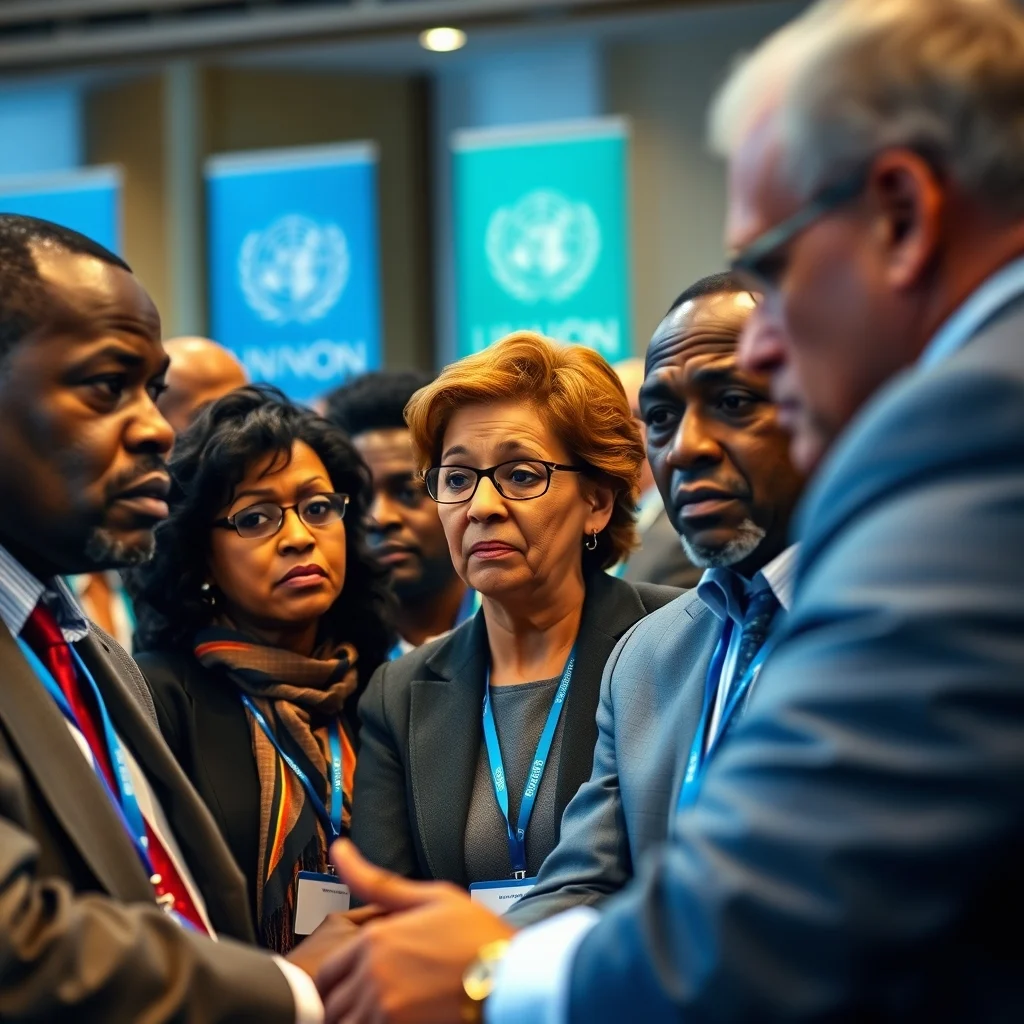
The African Group of Negotiators (AGN) has voiced strong criticism of the agenda at the ongoing United Nations June Climate Meetings in Bonn, Germany, arguing it is ‘insensitive’ to the realities faced by the continent. AGN Chair Nana Dr. Antwi-Boasiako Amoah highlighted the absence of dedicated discussions on ‘loss and damage’ and National Adaptation Plans as a significant concern, indicating a disconnect between global climate negotiation priorities and the urgent needs of vulnerable nations.
Context: The Bonn Climate Meetings and Loss and Damage
The UN Climate Meetings in Bonn, officially the sixty-fourth sessions of the Subsidiary Bodies (SB64), serve as crucial technical negotiations. Taking place from June 8 to June 18, these meetings prepare the ground for decisions expected at COP31 in Antalya, Türkiye, later this year. Negotiators from nearly 200 countries convene to advance discussions on adaptation, climate finance, transparency, and technology transfer.
However, the AGN’s intervention draws attention to the contentious issue of ‘loss and damage.’ This refers to the irreversible impacts of climate change that cannot be mitigated or adapted to, such as displacement, loss of livelihoods, and destruction of infrastructure. African countries, despite contributing minimally to global greenhouse gas emissions, bear a disproportionate burden of climate-induced disasters like droughts and floods.
Africa’s Urgent Plea for Prioritization
Delivering the opening statement for all 54 African nations, Dr. Amoah emphasized the continent’s precarious position. He referenced a recent World Meteorological Organization (WMO) warning projecting an 80% likelihood of El Niño conditions developing between June and August 2026, with a high probability of persistence. “For Africa, already burdened by severe climate impacts, the warming of worsening conditions starts catastrophe,” he stated.
The AGN Chair expressed grave concern that despite the claimed urgency of climate action, critical agenda items like loss and damage and National Adaptation Plans were conspicuously absent. “We find this process as insensitive to Africa’s situation deeply worrying,” Amoah declared to delegates. This marks one of Africa’s most forceful opening statements ahead of COP31, signaling a renewal of demands for substantial financial support to address climate change consequences.
Disparities in Negotiation Agendas
Dr. Amoah indicated that the current negotiating agenda fails to adequately reflect the urgency of the climate crisis as experienced by vulnerable nations. While the AGN would submit its comprehensive position separately, he stressed the limited time available to address key issues on the floor. The group believes that ongoing discussions cannot proceed without giving equal weight to the losses developing countries are already enduring.
The intervention underscores Africa’s long-standing position: climate negotiations must extend beyond future emissions reductions to encompass the immediate humanitarian and economic fallout. Many African nations are currently struggling with recurrent droughts, floods, and unpredictable rainfall, severely impacting agriculture, water security, and national economies.
Implications and Future Outlook
By placing loss and damage at the forefront of its opening remarks, Africa has clearly signaled its intent to make support for vulnerable nations a defining priority throughout the Bonn negotiations and at COP31. This strategic focus is likely to intensify political debates around climate finance and responsibility, particularly between developed and developing nations.
The AGN’s stance challenges the global community to move beyond theoretical discussions and confront the tangible, often devastating, impacts of climate change that are already a reality for millions. Observers will be watching closely to see if the Bonn meetings can incorporate these critical issues into their technical discussions, and whether this momentum will translate into concrete commitments at COP31, particularly concerning financial mechanisms to address loss and damage.










Leave a Reply