
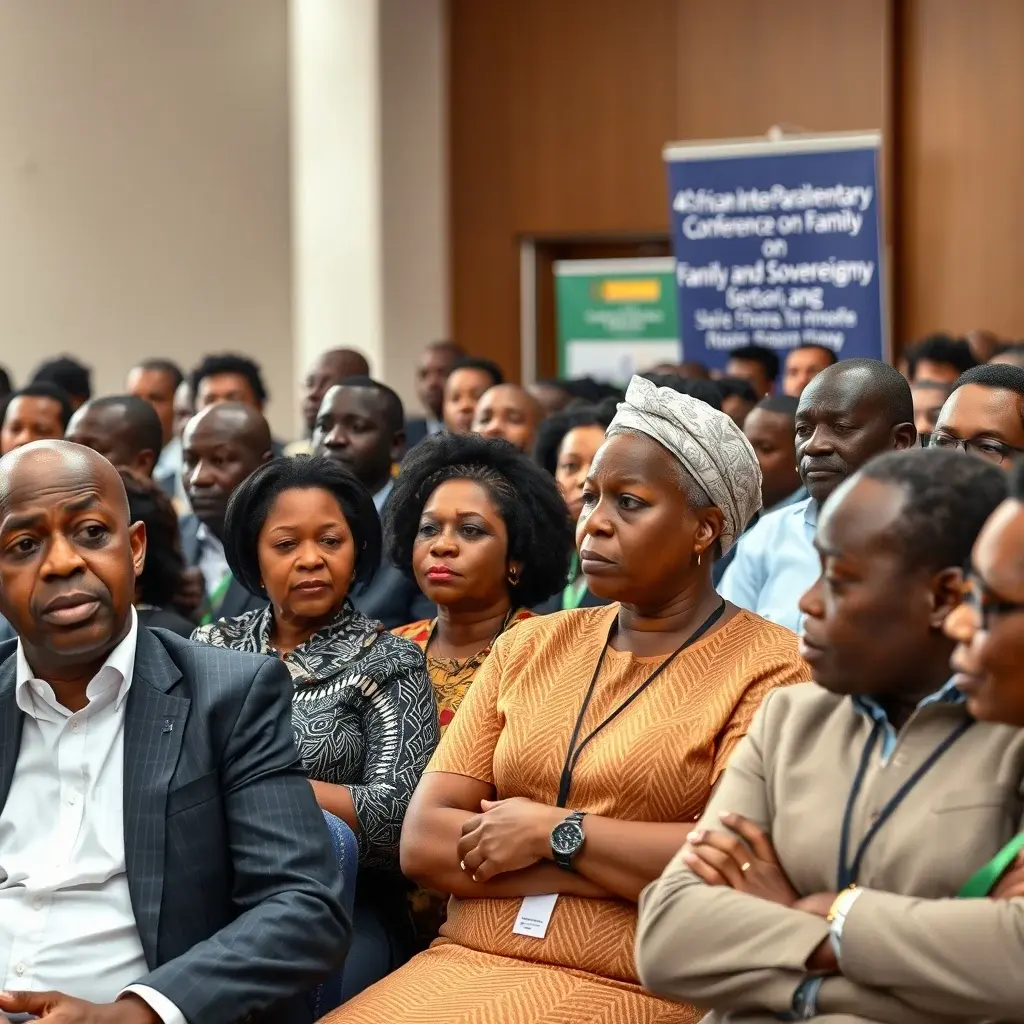
Accra, Ghana – African parliamentarians, policymakers, and civil society leaders convened in Accra this week for the 4th African Inter-Parliamentary Conference on Family and Sovereignty. Hosted by Ghana and supported by Speaker Alban Sumana Bagbin, the four-day event, which began Monday, brought together delegates from 20 nations to discuss and consolidate parliamentary consensus on advancing the African Charter on Family Values and Sovereignty. The conference aims to strengthen the continent’s identity, institutional confidence, and capacity for self-determination, according to messages delivered on behalf of President John Mahama.
Context: A Legacy of Self-Determination
The conference’s focus on sovereignty and family values is rooted in a long history of African aspirations for self-governance and cultural preservation. Ghana, as a historical leader in the African liberation movement, hosted the event with a nod to its legacy. President Mahama invoked the spirit of Kwame Nkrumah’s declaration that “the African is capable of managing his own affairs,” emphasizing that this principle remains a cornerstone of the continent’s pursuit of true independence.
The initiative, significantly nurtured by Uganda’s leadership, seeks to translate constitutional ideals of sovereignty into tangible realities. This involves ensuring that African nations can independently meet the fundamental needs of their populations.
Strengthening Sovereignty Through Self-Reliance
President Mahama, speaking through Chief of Staff Dr. Julius Debrah, stressed that true sovereignty extends beyond legal frameworks to practical achievements. “A sovereign nation must be capable of feeding its people, educating its children, protecting its vulnerability, creating opportunities for its youth, and financing its own development priorities,” he stated.
The address cautioned against all forms of dependency, which were identified as significant threats to national autonomy. To counteract this, Mahama urged African nations to prioritize strengthening domestic production, fostering indigenous enterprises, and expanding intra-African trade. The goal is to build economies that are resilient and grounded in the continent’s unique circumstances and resources.
Preserving Cultural Identity and Family Norms
The conference also delved into the critical issue of family values, highlighting Africa’s deeply ingrained traditions concerning marriage, parenthood, and community life. These values, shaped over centuries, are seen as integral to the continent’s social fabric.
While affirming Africa’s openness to global engagement, President Mahama asserted the continent’s right to define its own social and cultural norms. “Our responsibility is not to dictate how others should live. It is to ensure that our own laws, educational systems, and public institutions remain reflective of the values and aspirations of our societies,” he remarked.
Ghana’s experience was presented as an example, where communal living, mutual responsibility, and respect for traditional authorities continue to be vital. Institutions like the National House of Chiefs, Queen Mothers, faith leaders, and community elders were recognized for their indispensable roles in maintaining social stability and transmitting values across generations.
Addressing Economic Pressures and Youth Disillusionment
The discussions also acknowledged the economic challenges impacting African families, including rapid urbanization, evolving labor markets, and increasing costs of living. Mahama called for the implementation of family-centered policies, encompassing social protection, improved maternal and child health, and the creation of decent work opportunities.
A significant concern raised was the threat of hopelessness among Africa’s youth. President Mahama warned that when young people lack opportunities in their home countries, they become susceptible to disillusionment, which can undermine societal values and stability. “When young people see opportunity in their own countries, they become stakeholders in the future; when they see no future, they become vulnerable to disillusionment,” he stated.
Investment in quality education, dignified employment, and expanded economic prospects were presented as crucial strategies to empower young Africans to become effective custodians of their societies’ values and futures.
Looking Ahead: Writing Africa’s Future
The conference concluded with a call to action for delegates to translate discussions into concrete policies and actions. President Mahama reiterated Africa’s commitment to international cooperation based on mutual respect, while firmly maintaining the right to shape its own destiny. The ultimate measure of success, he suggested, will be the courage to preserve valuable traditions, the wisdom to adapt and reform, and the confidence to define Africa’s future on its own terms.
The emphasis was on proactive engagement, with delegates urged to strengthen their resolve in protecting families, deepening national sovereignty, and expanding opportunities for the continent’s youth. The overarching message was clear: Africa’s future will be determined by Africans themselves.










Leave a Reply