
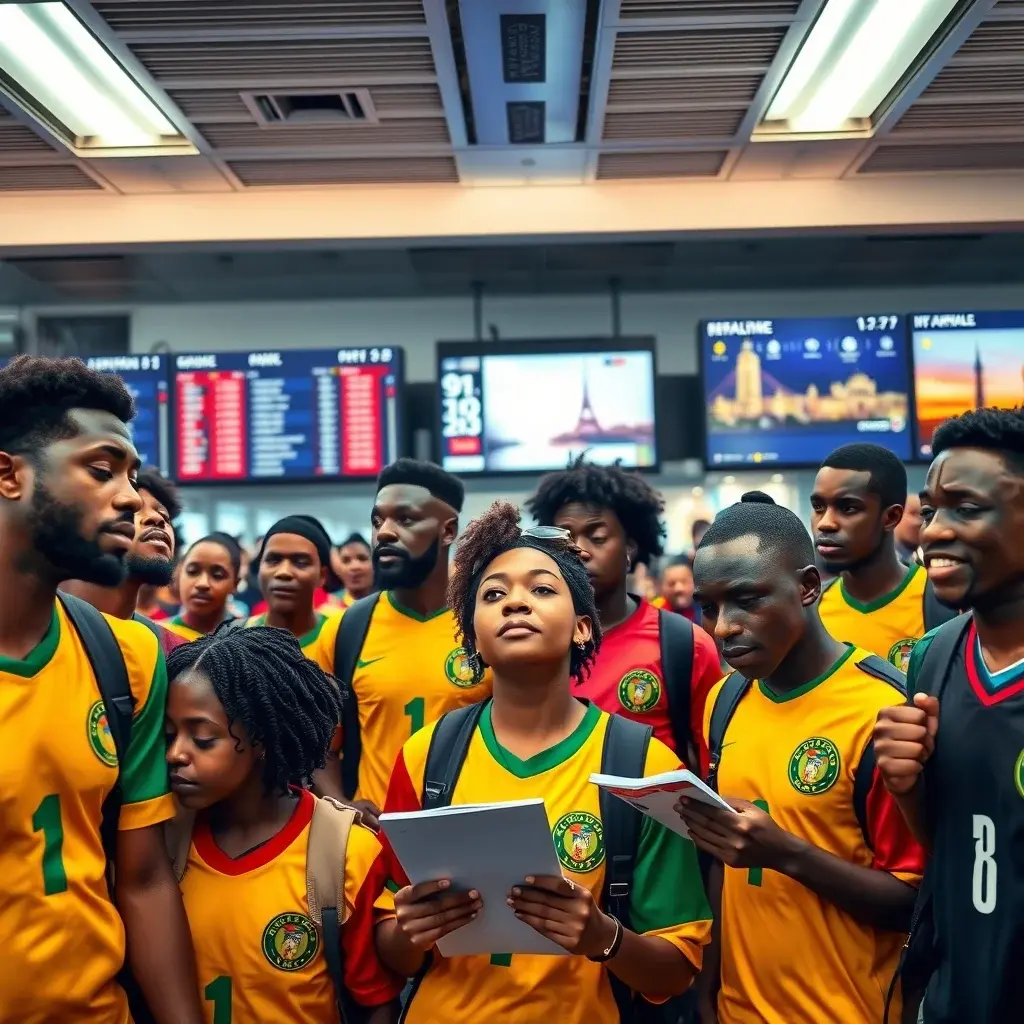
Fans from five African nations—Algeria, Cape Verde, Ivory Coast, Senegal, and Tunisia—will have a $15,000 visa bond requirement waived if they possess a match ticket for the 2026 FIFA World Cup, following a late policy reversal by the U.S. administration. This decision, announced late Wednesday, offers a potential financial reprieve for supporters of these nations, who were initially included among 50 countries subjected to the bond requirement designed to curb visa overstays.
Context of the Visa Bond Policy
The visa bond requirement was implemented last year as part of a broader immigration crackdown by the White House. The sums involved ranged from $5,000 to $15,000, posing a significant financial barrier for many international travelers. The 2026 FIFA World Cup, with 78 of its 104 matches hosted in the United States, makes this policy particularly relevant for global football fans.
U-Turn on Visa Bonds for African Nations
In a statement to the BBC, U.S. assistant secretary of state for consular affairs, Mora Namdar, confirmed the waiver: “We are waiving visa bonds for qualified fans who bought World Cup tickets.” This concession comes with a crucial condition: ticket holders from the affected African countries must have registered with the online FIFA Pass system by April 15. This system, introduced last November, aims to facilitate expedited visa appointments for ticket holders.
Lingering Obstacles for African Supporters
Despite the visa bond U-turn, significant challenges remain for African fans planning to attend the tournament, which spans the U.S., Canada, and Mexico from June 11 to July 19. FIFA acknowledged its collaboration with the White House to ensure a successful event but recognized that the news might arrive too late for many potential attendees.
It remains unclear whether last-minute ticket purchasers from these five nations will also benefit from the waived bond. Furthermore, supporters from Ivory Coast and Senegal still face restrictions under the existing U.S. travel ban. Those from these two West African countries who did not secure their visas before December may still be denied entry.
Broader Visa Difficulties and Travel Costs
Even fans from countries not subject to the bond requirement are encountering difficulties. BBC Sport Africa has reported instances of Ghanaian supporters being denied U.S. entry visas, despite their team’s planned matches in Boston and Philadelphia. The cost of flights, accommodation, and internal travel presents another immediate hurdle for fans traveling from the African continent.
The multi-country hosting arrangement adds complexity. Most African fans will need to cross international borders during the group stage. Fans from Egypt, Ghana, Ivory Coast, and Senegal require visas for Canada (Toronto or Vancouver), while DR Congo, South Africa, and Tunisia have matches scheduled in Mexico. Only Algeria, Cape Verde, and Morocco are scheduled to play their entire group stage within the USA.
Sky-High Ticket Prices
The cost of World Cup tickets is another significant deterrent. While some seats for Egypt’s match against Belgium were available below $600, most tickets for the first 10 games featuring an African side exceeded $1,170. The few remaining tickets for the opening match between Mexico and South Africa were priced at an astonishing $3,840. FIFA’s resale platform shows vastly inflated prices, with some seats in Mexico City being offered for as much as $34,500 each.
Social Media History Requirement
Adding to the travel complexities, the U.S. government announced late last year that tourists from numerous countries might need to provide a five-year social media history as a condition of entry. Rights groups have cautioned that such policies could lead to denied entry, arrest risks, expanded travel restrictions, racial profiling, and increased surveillance for travelers.
Implications for Record Number of African Teams
With a record 10 African nations participating in the finals, the dream of supporting their teams in person is significant. However, the confluence of visa complexities, travel costs, and high ticket prices means that only those with substantial financial resources are likely to make the journey. The coming months will reveal how these policies and economic factors impact fan attendance from Africa.










Leave a Reply