
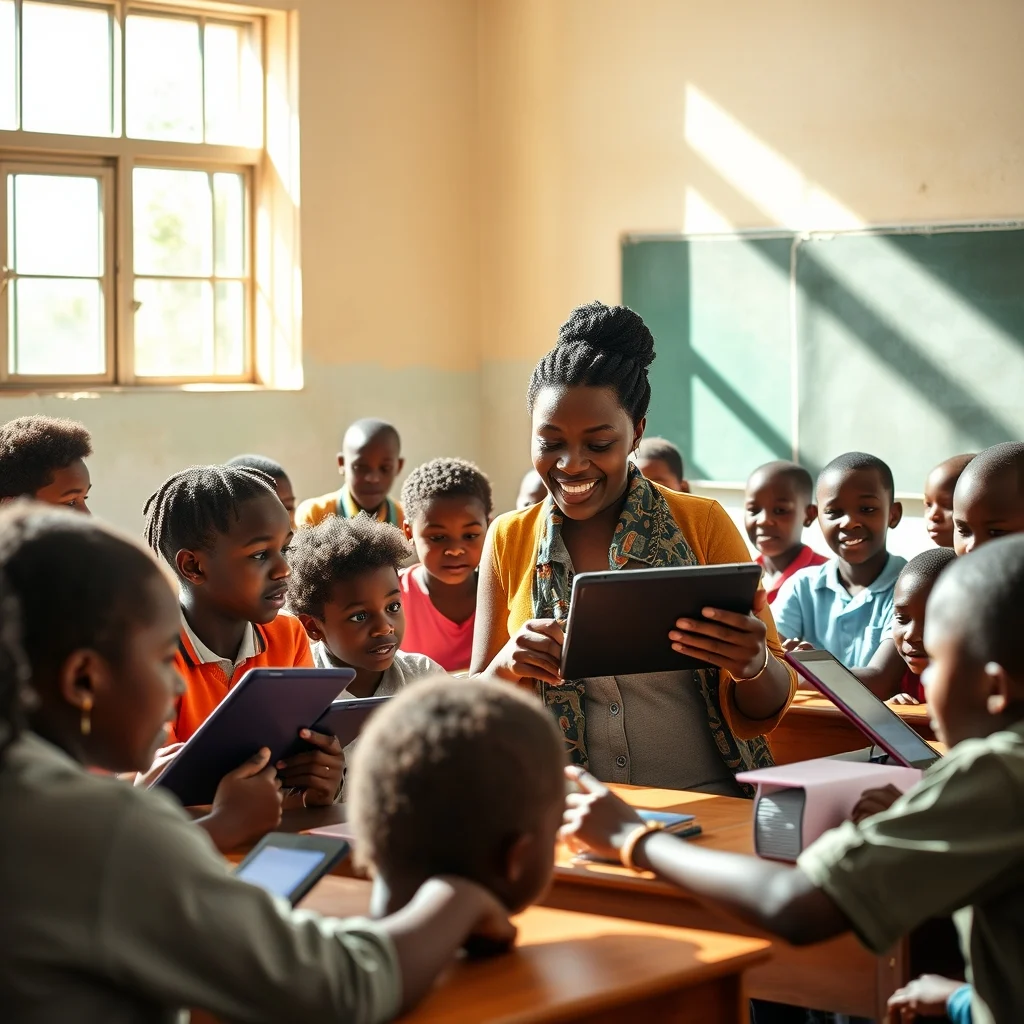
Africa stands at a pivotal moment where artificial intelligence can reshape education, addressing deep-rooted challenges like high teacher-to-student ratios, limited resources, and unequal access between urban and rural areas. The core opportunity lies in positioning AI as a powerful co-pilot that empowers teachers and students rather than replacing human connection and guidance.
Context: Persistent Gaps in African Education
Education systems across Africa face persistent gaps: overcrowded classrooms, uneven internet and device access, and curricula that often fail to prepare students for future jobs. These systemic issues create significant hurdles for delivering quality education to all.
The Breakdown: AI as an Intelligent Assistant
AI tools can serve as intelligent assistants, personalizing learning experiences for individual students. They can provide real-time interventions for those ahead or behind their peers, ensuring no student is left behind.
Furthermore, AI can help teachers manage their workloads more effectively by automating administrative tasks and providing insights into student progress. However, foundational barriers remain, including affordability of technology, the availability of robust infrastructure, and the risk of over-reliance on digital tools without adequately developing core human skills.
The Impact: Bridging Divides or Widening Them?
When integrated thoughtfully, AI has the potential to bridge learning gaps and boost student outcomes, making quality education more inclusive. It can support multilingual and culturally relevant content, moving away from rote memorization towards critical thinking.
AI can foster creativity, problem-solving, and the application of knowledge to real-world scenarios. Yet, without deliberate action and careful implementation, AI risks widening existing divides, creating a digital elitism where only privileged students benefit.
There is also a significant risk of amplifying biases inherent in Western-trained AI models and encouraging superficial learning habits over genuine understanding.
The Opportunity: Local Innovation and Empowerment
AI can level the playing field by enabling anyone with access to become a creator and builder. Students and teachers can develop essential skills like curiosity, critical thinking, creativity, collaboration, and common sense, many of which do not require internet access.
Local innovation is key to grounding AI models in African languages, cultures, histories, and addressing real-world needs, such as those in agriculture or specific community challenges. This approach fosters the development of tools









Leave a Reply