
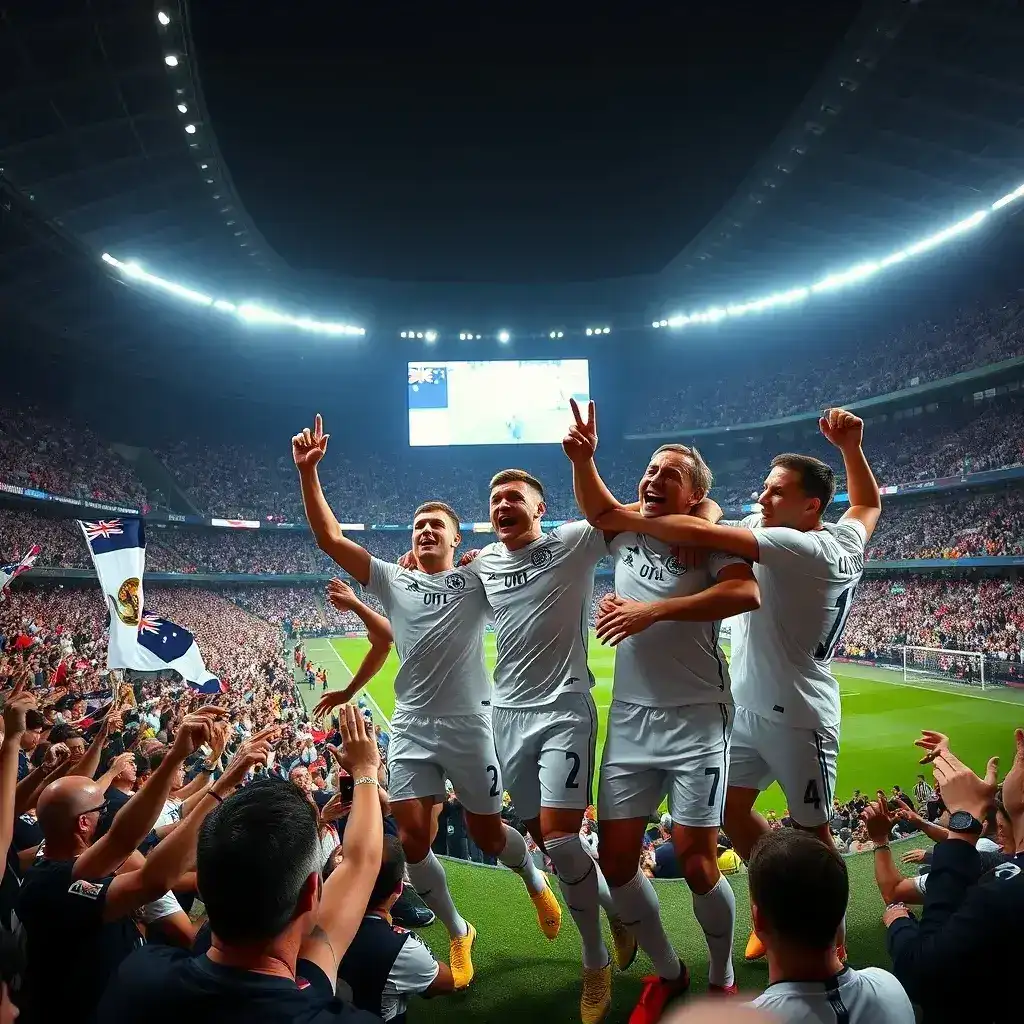
New Zealand, affectionately known as the All Whites, are set to compete in their third FIFA World Cup in 2026, having secured the Oceania region’s sole qualifying spot. The team, which has transitioned from part-time players to full professionals since their last appearance in 2010, harbors aspirations of reaching the knockout stages for the first time in their history. Facing a formidable challenge in Group G, they are drawn against the higher-ranked Belgium (9th), Egypt (29th), and Iran (21st), entering the tournament as the lowest-ranked qualifier at 85th.
Evolving Squad and Tactical Approach
Commentator Paul Ifill believes the current New Zealand squad is significantly improved, stating they are “miles better” than the team that achieved an unbeaten record with three draws in South Africa in 2010. Coach Darren Bazeley echoed this sentiment, describing the squad as a “blend of exciting young talent and experienced players to maximise our chances of winning games and getting out of our group.”
Bazeley’s preferred style of possession football proved effective during the qualifiers. However, translating this success against more technically gifted opponents in the World Cup will be a significant test. Recent friendly results have been mixed, including a draw against Norway (without Erling Haaland) and seven losses. Notably, their March warm-up matches saw a disappointing 2-0 defeat to Finland followed by an impressive 4-1 victory over Chile, marking New Zealand’s first-ever win against a South American nation.
Key Players and Leadership
Captain Chris Wood, a survivor from the 2010 campaign, is pivotal to the team’s success. His fitness will be closely monitored, especially after a serious knee injury late last year sidelined him for several months. Wood, who was a contender for the Premier League’s top scorer in the 2024-25 season, remains a vital attacking threat for the All Whites.
“New Zealand will need to be able to defend without the ball and then work out how to hurt opponents when we get the ball back. A lot will depend on whether Wood is fully fit,” Ifill commented. His presence and form are critical for New Zealand’s offensive capabilities.
Dominance in Oceania and Coaching Pedigree
The qualifying campaign, culminating in a victory over New Caledonia in March 2025, highlighted New Zealand’s overwhelming dominance in the OFC region. Commentator Mathew Nash noted the “gulf between New Zealand and the other OFC nations has been exacerbated to a chasm in recent years,” citing their record of 14 wins, one draw, four goals conceded, and 64 goals scored in their last 15 games against federation rivals.
Coach Darren Bazeley brings a unique coaching pedigree to the tournament. He is set to become the first man in FIFA history to have coached at the Olympic Games, Under-17, Under-20, and senior World Cup levels. Bazeley, a former defender with over 450 appearances in English football, has cultivated extensive experience within New Zealand’s football system, working closely with the current senior squad at various age-group levels.
Star Power and Emerging Talent
Chris Wood stands out as New Zealand’s star player, boasting 88 caps and 45 goals for the national team. Coach Bazeley likens his importance to that of Cristiano Ronaldo for Portugal or Kylian Mbappé for France, emphasizing Wood’s dedication both on and off the pitch.
An emerging talent to watch is 26-year-old attacking midfielder Eli Just. He enjoyed a stellar 2025-26 season in the Scottish Premiership, earning Player of the Year awards for Motherwell and the PFA Scotland. His club captain, Paul McGinn, described Just as “absolutely brilliant,” highlighting his sharpness and intelligent play. Former All White Noel Barkley also anticipates Just will soon move to a larger club, praising his humble demeanor.
Midfield Anchor and Tactical Flexibility
Central midfielder Joe Bell is recognized for his crucial, often understated, role in the team. Playing his club football in Norway for Viking, Bell is valued for his dueling ability and confidence on the ball. Having worn the captain’s armband in Chris Wood’s absence, Bell’s reliability in both defensive and attacking phases makes him an indispensable part of the squad.
Anticipated Starting Lineup
A probable starting XI for New Zealand in a 4-2-3-1 formation includes Paulsen in goal; Cacace, Surman, Boxall, and Payne in defense; Stamenic and Bell in midfield; Just, Singh, and Old in attacking midfield roles; and Wood as the lone striker.
Fan Support and Underdog Mentality
While New Zealand is expected to be outnumbered by opposition fans due to the distance and cost of travel, the dedicated supporter group “The Flying Kiwis” will be present in significant numbers. Nearly 500 fans are anticipated at the group games, promising to “make a noise.” Matt Fejos, a long-time member of The Flying Kiwis, stated that their “underdog mentality, fearless” approach allows them to “stamp our mark and show them something different,” embracing the perception of New Zealand as a rugby-focused nation.
Looking Ahead
The All Whites enter the 2026 World Cup with a blend of experienced leadership and promising new talent. Their performance will hinge on captain Chris Wood’s fitness and their ability to adapt their possession-based style against elite opposition. The journey to the knockout stages is ambitious, but the team’s evolution and the unique underdog spirit fostered by their fans suggest they are poised to make a memorable impact on the global stage. Observers will be keen to see how coach Darren Bazeley’s tactical acumen and his long-term development of the squad translate into results against some of the world’s best teams.










Leave a Reply