
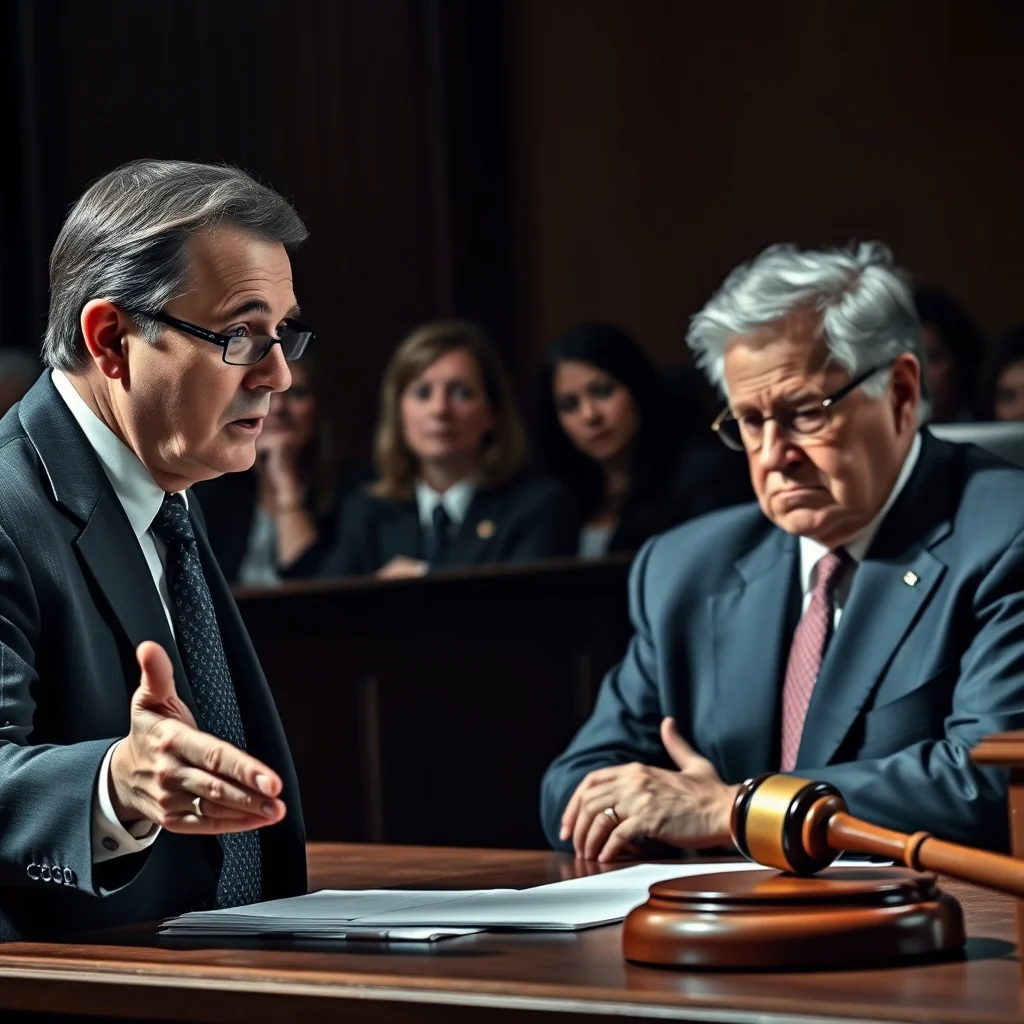
Accusations have surfaced that the Attorney General’s office may have prejudiced public opinion against a former government official and his associates before their trial commenced. Lawyer Samuel Atta Akyea, representing Kwabena Adu-Boahene, former Director-General of the National Signals Bureau, claims that public statements made by the Attorney General at the outset of the case created an impression of guilt, even before the accused had formally appeared in court.
Public Statements Raise Concerns of Pre-Trial Judgment
Mr. Atta Akyea argued that the Attorney General’s pronouncements, particularly those made during a widely publicized press conference, suggested that the evidence against his clients was so overwhelming that they should consider plea bargaining.
He characterized the Attorney General’s actions as those of both a prosecutor and a judge. “I have to tell you that it was the Attorney General who concluded that before they were arraigned before a court of law, my clients were guilty,” Mr. Atta Akyea stated.
The defense counsel emphasized that this public narrative, disseminated through the media, generated unfair prejudice against the accused. This occurred before the prosecution had the opportunity to formally present and establish its case in court.
“If you pay regard to the well-choreographed press conference at the instance of the Attorney General, he was so clear that they better come for plea bargaining because of the kind of evidence he has against them,” he added. The defense contends that the public was sold a narrative before the legal process could unfold.
Discrepancy Between Public Narrative and Court Proceedings
Speaking on Citi FM on Wednesday, June 3, Mr. Atta Akyea highlighted a significant divergence between the public perception and the evidence emerging during the ongoing court proceedings.
“There has been a lot of poison in the media space already, but the story in the court is different,” he asserted. This suggests that the evidence presented in court may not align with the initial claims made publicly.
Mr. Adu-Boahene is currently on trial facing allegations of misappropriating GH¢49.1 million in state funds. The charges are linked to the procurement of cyber-defence software for the state.
Legal Principles and Fair Trial Concerns
The defense’s concerns touch upon fundamental legal principles, including the presumption of innocence and the right to a fair trial. In many legal systems, individuals are considered innocent until proven guilty in a court of law.
Pre-trial publicity, especially when involving statements from high-ranking legal officials, can create a challenging environment for defendants. It can influence potential jurors and shape public perception, making it difficult for the accused to receive a truly impartial hearing.
Legal experts often caution against public commentary on ongoing cases by those involved in the prosecution. Such commentary can potentially undermine the judicial process and the integrity of the justice system.
Implications for the Justice System and Public Trust
The accusations raise questions about the balance between transparency in government and the protection of an individual’s right to a fair trial. While public interest in high-profile cases is understandable, the manner in which information is disseminated is crucial.
If the Attorney General’s office did indeed create a pre-judgment narrative, it could have implications for the fairness of the trial and public trust in the impartiality of legal proceedings. It prompts a discussion on the ethical boundaries for prosecutors when communicating about ongoing investigations and trials.
The outcome of this trial, and any subsequent review of the pre-trial publicity, will be closely watched. It could set precedents for how such cases are handled and communicated in the future, emphasizing the need for careful consideration of public statements to uphold the principles of justice.










Leave a Reply