
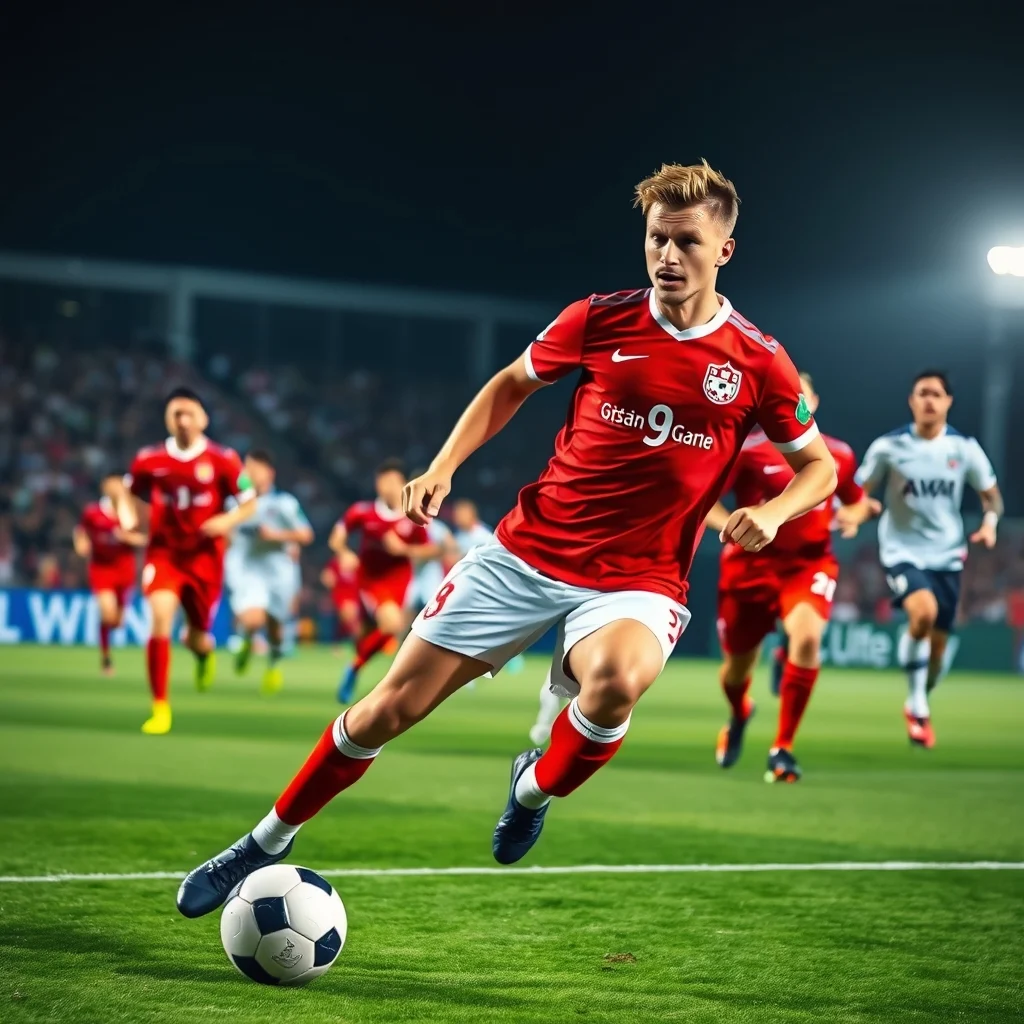
Austria’s national football team, under the guidance of coach Ralf Rangnick, has solidified a distinctive playing style characterized by relentless pressing and a strong emphasis on collective movement, a strategy that has seen them achieve notable success and earn widespread admiration. This approach, honed over years of consistent personnel and tactical implementation, has positioned Austria as a formidable force heading into future international competitions.
The Rangnick Blueprint: Continuity and Aggression
The core of Austria’s tactical identity lies in its stability and the deep understanding among its players. As noted during qualifying, the team has maintained a consistent core lineup for years, featuring key players like Christoph Baumgartner and Marcel Sabitzer in attacking roles, Nicolas Seiwald and Xaver Schlager in central midfield, and a solid defensive unit including Philipp Lienhart, Konrad Laimer, and Stefan Posch. This continuity fosters a seamless execution of their primary strategy: to press aggressively, dictate the tempo, win the ball back swiftly, and capitalize on opponent errors.
Coach Ralf Rangnick has instilled a philosophy described as “ball-oriented.” This means the team actively seeks to create overloads in areas where the ball is, applying immediate pressure to close down passing lanes and force turnovers. “When we have the ball, backward or sideways passes are not our preferred option. We want to play forward,” Rangnick stated, highlighting the team’s proactive and attacking mindset.
Ralf Rangnick: The Architect of Austrian Pride
Ralf Rangnick, a 67-year-old German coach, has become instrumental in restoring footballing pride in Austria. His direct and no-nonsense coaching style, which involves clear praise and constructive criticism, has earned him respect and trust within the squad. Rangnick, known for his influential work with Red Bull Leipzig where his ideas shaped modern football, brings a wealth of experience and authority that has resonated with the Austrian team and its supporters.
His impact extends beyond tactics; he has fostered a sense of enjoyment and national pride. “Football gives the whole country a lift,” Rangnick remarked, underscoring the team’s role in boosting national morale. He emphasizes a desire to “enjoy every single game properly,” reflecting a positive and engaging team culture.
Key Players: Laimer, Wanner, and Seiwald
While Austria’s strength lies in its collective, certain individuals stand out. Konrad Laimer, a versatile and dynamic midfielder now playing for Bayern Munich, is arguably the team’s most crucial player. His relentless work rate, defensive capabilities, passing quality, and adaptability across multiple positions—left-back, right-back, or central midfield—make him a coach’s dream and one of Austria’s most sought-after talents.
A significant development for Austria is the commitment of young talent Paul Wanner. Born in Austria and holding dual nationality, Wanner chose to represent Austria over Germany. A product of Bayern’s academy, now at PSV, his superb left foot, vision, and pace make him a bright prospect. His transition to a No. 6 role under Peter Bosz at PSV has already yielded success, including a league title.
Nicolas Seiwald, though less flashy, is another vital cog in Rangnick’s system. He excels at the unseen work: closing down space, sustaining the press, winning second balls, and providing structural integrity to the team. His importance was highlighted when he was notably absent from the starting lineup for the first time in years, underscoring his crucial role in maintaining the team’s defensive shape and pressing effectiveness.
Fan Culture: A Growing and Enthusiastic Support
Austria’s national team has witnessed a significant expansion of its fanbase. Even for away qualifiers, support has been unusually high, with a notable increase in demand for tickets for upcoming major tournaments. Austrian supporters are recognized for their friendly and cheerful demeanor, often characterized by traditional attire like lederhosen and colourful hats. They are known for their long-lasting support, creating a vibrant and welcoming atmosphere at matches.
Looking Ahead
With a stable tactical foundation, a respected and effective coach, and a blend of experienced and emerging talent, Austria appears well-positioned for future success. The team’s ability to consistently execute its high-pressing, aggressive style, coupled with strong team cohesion, will be key factors to watch. The integration of promising young players like Paul Wanner could further enhance their capabilities. Observers will be keen to see how Austria adapts its well-honed strategy against diverse opponents and whether its “family”-like atmosphere translates into sustained performance on the biggest international stages.










Leave a Reply