
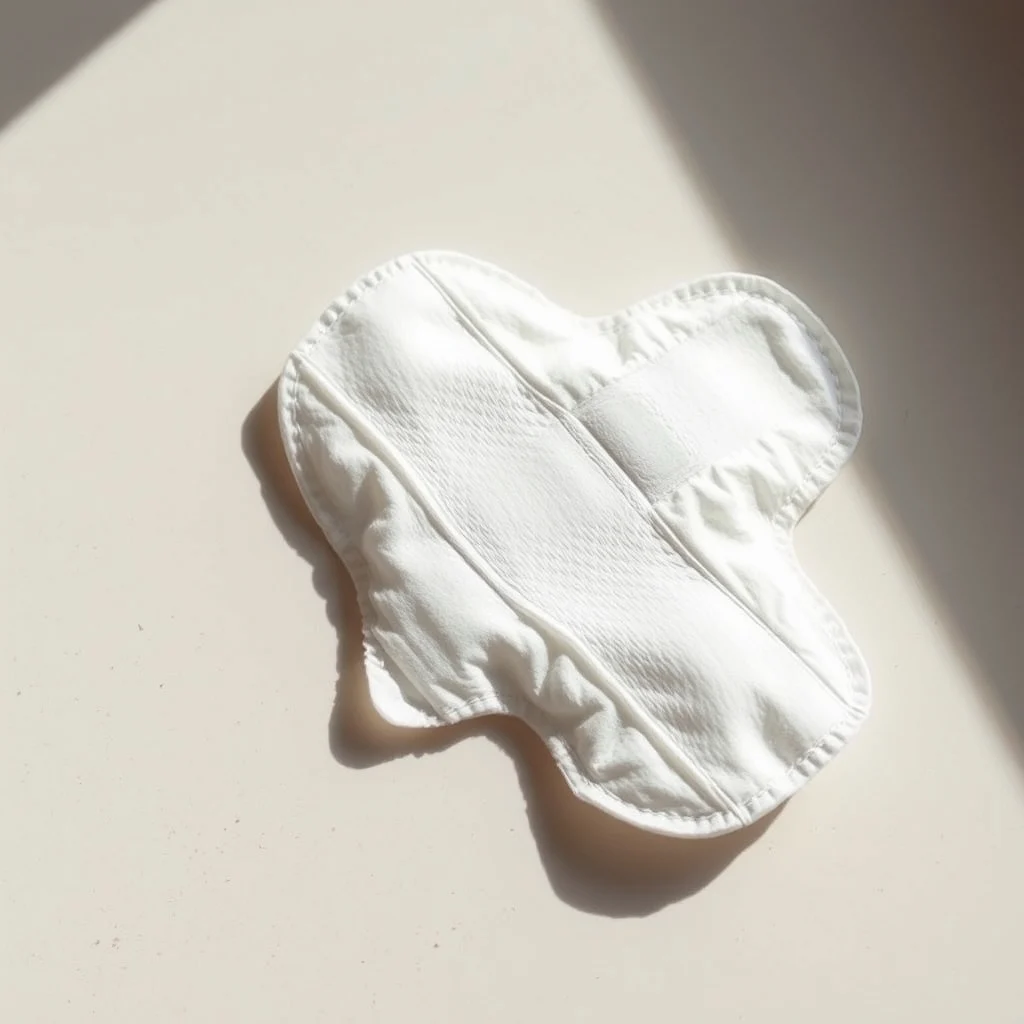
Millions of women and girls in Ghana use sanitary pads monthly, trusting them for protection and dignity. However, a critical question regarding their safety remains largely underexplored amidst national conversations on menstrual equity. The focus on access, while vital, often overshadows the potential health risks associated with the products themselves.
The Unseen Chemistry of Comfort
Sanitary pads, often perceived as harmless, may contain concerning substances. The fluffiness typically comes from paper pulp bleached using chlorine or chlorine dioxide, a process that can produce dioxins and furans. These by-products are classified as persistent organic pollutants (POPs) by the World Health Organization (WHO).
Dioxins are known endocrine disruptors and potential carcinogens that can accumulate in body fat. Even low levels have been linked to reproductive disorders, hormonal imbalances, and immune system suppression. The warm, moist environment inside a pad worn for several hours can facilitate the absorption of these chemicals through the highly permeable vulvar skin directly into the bloodstream.
Plastic Layers and Irritating Fragrances
Many pads also incorporate plastic layers, including polyethylene and polypropylene, along with synthetic polymer adhesives. These materials can create a microclimate that traps heat and moisture, fostering an environment conducive to bacterial and fungal growth. This may contribute to common complaints of itching, rashes, and recurrent yeast infections reported by users.
Furthermore, scented pads, marketed with terms like “lavender fresh” or “aloe cool,” contain chemical cocktails. The “fragrance” label can legally hide hundreds of undisclosed chemicals, including phthalates, which are associated with developmental, reproductive, and hormonal harm. These fragrances can disrupt the natural pH balance of the vulva, increasing the risk of infections like bacterial vaginosis.
The Donation Dilemma and Market Realities
While pad donations are crucial for menstrual equity, the sourcing of these products raises safety concerns. Many donated pads are sourced cheaply from international hubs, prioritizing cost over quality. This can result in pads made with recycled pulp, heavy bleaching, synthetic fragrances, and thin plastic layers. These products may also be stored for extended periods in suboptimal conditions before reaching consumers.
A significant number of donated pads lack clear batch numbers, expiry dates, or manufacturer details, making them difficult to trace. A 2022 study by the Ghana Standards Authority found that over 30% of sanitary pads sampled in open markets had no visible expiry date. Expired pads pose additional risks, including degradation, mold growth, or the release of volatile organic compounds (VOCs).
Market surveillance in Ghana reveals pads displayed under harsh conditions, exposed to sun and dust, or stored in damp areas. While the Food and Drugs Authority (FDA) requires registration and safety standards, post-market surveillance is limited, leaving a gap in ensuring product safety from manufacture to the point of use.
Personal Experiences and Consumer Guidance
Some women report experiencing skin irritation, redness, and soreness from certain pad brands. While superabsorbent polymers (SAPs) used for absorbency are generally considered safe, they can cause contact dermatitis in sensitive individuals, especially when combined with heat and prolonged wear. Fragrance is also a common allergen in personal care products.
To navigate these risks, consumers are advised to:
- Read Labels: Look for manufacturer details, country of origin, batch number, and expiry dates.
- Avoid Fragrances: Opt for unscented pads to maintain natural pH balance.
- Seek Transparency: Choose brands that highlight “chlorine-free bleaching,” “no recycled materials,” or “organic cotton.”
- Test Products: Buy small packs initially to check for adverse reactions.
- Store Properly: Keep pads in a dry, cool place, away from humidity.
- Change Frequently: Replace pads every 4-6 hours or as needed to prevent irritation and infection.
A Call for Enhanced Safety Standards
The menstrual justice agenda must expand beyond mere access to include product safety. There is a pressing need for strengthened post-market surveillance by regulatory bodies like the FDA Ghana to test pads for harmful chemicals and contaminants. Clearer labeling requirements and enforcement against expired or unlabeled products are essential.
NGOs and donors are urged to prioritize safety over cost, demanding Certificates of Analysis from manufacturers and sourcing safer, clearly dated products. Manufacturers and importers have a responsibility to be transparent about ingredients and invest in safer materials.
Women and girls have the right to question the products they use and demand better. Dignity and empowerment cannot be achieved with products that potentially harm health. This evolving conversation must move from simple donation to informed discernment, ensuring that every woman has access not just to a pad, but to a safe pad.










Leave a Reply