
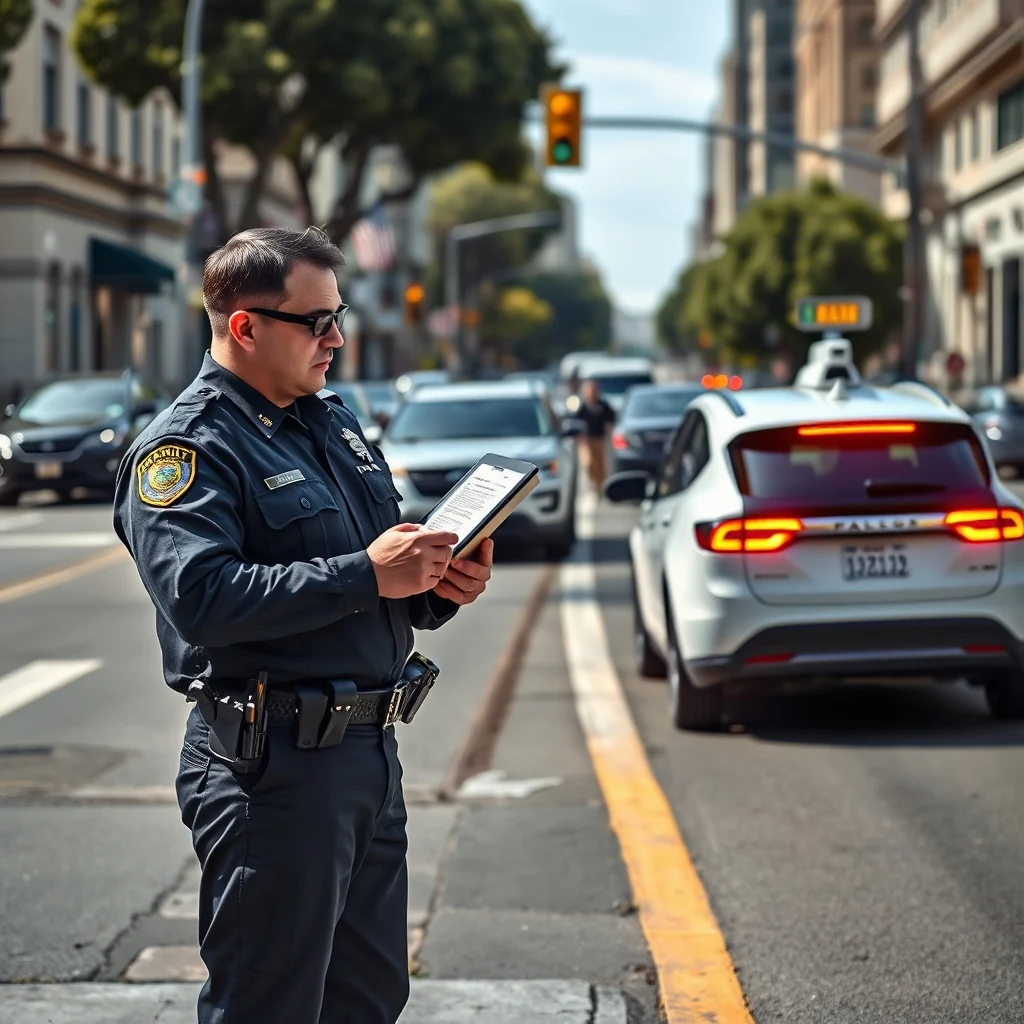
Starting July 1, police in California will be able to issue citations directly to manufacturers of autonomous vehicles (AVs) that violate traffic laws, a significant shift addressing a long-standing accountability gap. The California Department of Motor Vehicles (DMV) announced new regulations that enable law enforcement to cite AV companies for moving violations committed by their driverless cars, aiming to enhance public safety as these vehicles become more prevalent across the state.
Addressing the Accountability Gap
For months, law enforcement agencies across California have grappled with how to hold autonomous vehicles accountable for traffic infractions. Unlike human drivers who can be issued tickets on the spot, driverless cars presented a unique challenge. In one notable incident last September, San Bruno police observed a Waymo AV making an illegal U-turn directly in front of their patrol car. However, officers were unable to issue a ticket as there was no human driver to cite, resorting instead to contacting the company about the vehicle’s behavior.
These new rules, part of a broader 2024 law, establish a clear process for issuing a “notice of AV noncompliance” directly to the manufacturer. This mechanism ensures that companies operating AVs are held responsible for their vehicles’ actions on public roads.
New Regulations Enhance Public Safety
The California DMV has described these updated regulations as “the most comprehensive AV regulations in the nation.” Beyond ticketing moving violations, the rules impose stringent requirements on AV operators. Companies must now ensure their vehicles respond to calls from police and other emergency officials within 30 seconds.
Furthermore, AVs will be prohibited from entering active emergency zones. Penalties will be issued to companies whose vehicles fail to comply with these critical safety protocols. This aims to prevent disruptions and potential hazards during emergency response situations, a concern repeatedly raised by officials like the San Francisco Fire Department.
Broader Context of AV Deployment
The introduction of these regulations comes as autonomous vehicle technology rapidly advances and expands its footprint in California. Companies like Waymo operate fully self-driving robotaxi services in the San Francisco Bay Area and Los Angeles County. Tesla also holds permits for testing its AVs in various California cities.
The state has been a leader in AV development, with the DMV emphasizing its commitment to fostering innovation while prioritizing public safety. DMV Director Steve Gordon stated, “California continues to lead the nation in the development and adoption of AV technology, and these updated regulations further demonstrate the state’s commitment to public safety.”
Past Incidents Highlight Need for Change
The necessity for these updated rules was underscored by several high-profile incidents. During a massive blackout in San Francisco last December, numerous Waymo vehicles became immobilized in busy intersections, exacerbating traffic congestion. Such disruptions highlight the need for AVs to operate reliably and predictably, especially during critical events.
These instances, coupled with ongoing concerns from emergency services about AVs obstructing their operations, created a clear demand for more robust regulatory oversight. The new framework directly addresses these challenges by establishing clear lines of responsibility and enforcement.
Implications for the Industry and Public
The new ticketing process signifies a maturing regulatory environment for autonomous vehicles. It signals to AV companies that operational compliance and public safety are paramount, not just aspirational goals. Companies will need to invest further in their systems to ensure continuous adherence to traffic laws and rapid responsiveness to emergency directives.
For the public, these regulations offer greater assurance that driverless cars will be held to the same standards as human drivers. The ability to cite companies directly for violations means a more effective deterrent against unsafe AV behavior. As AVs become more integrated into daily life, these rules are a crucial step towards building trust and ensuring their safe coexistence with other road users and emergency services.
What to Watch Next
With the July 1st enforcement date approaching, the focus will shift to how effectively law enforcement agencies implement these new procedures. It will be crucial to monitor the number and types of citations issued and the responses from AV manufacturers. Additionally, the long-term impact on AV development and deployment strategies in California, and potentially other states looking to follow suit, will be a key area to observe.










Leave a Reply