
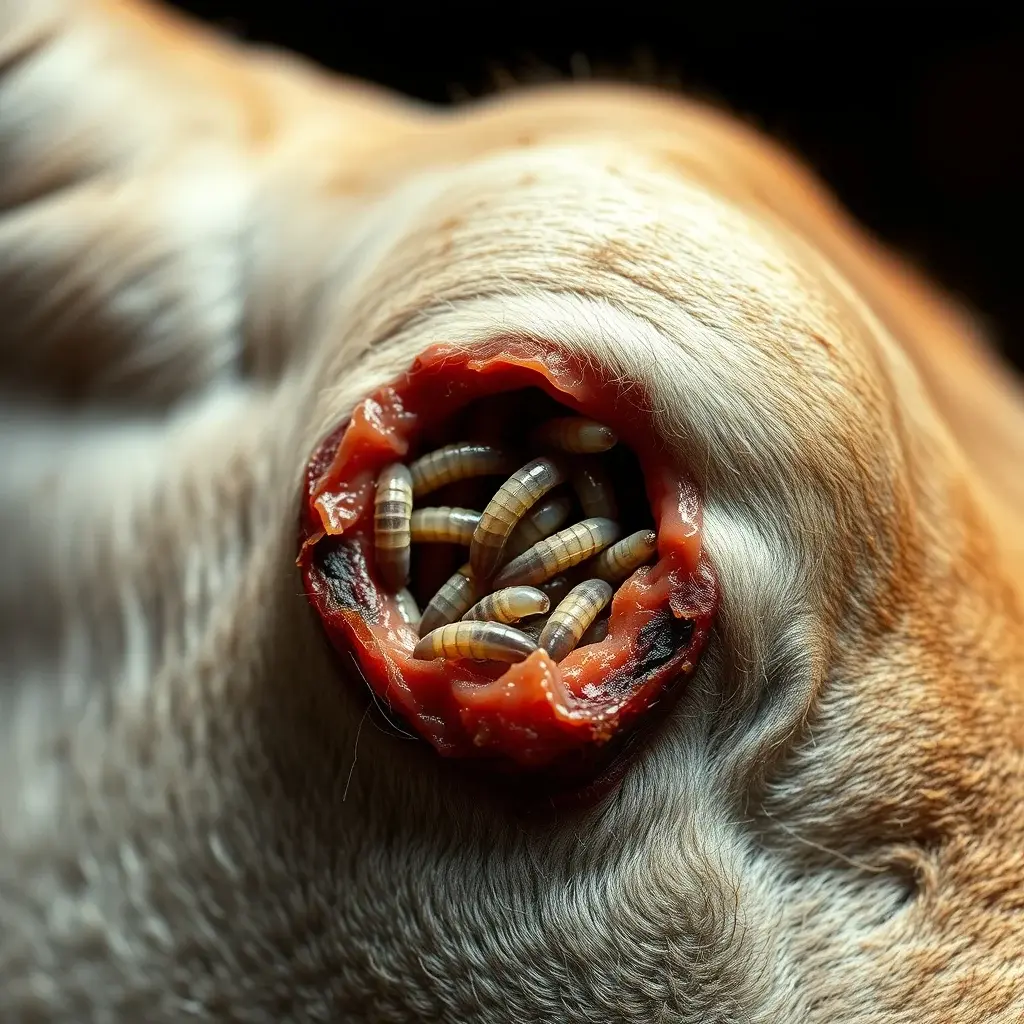
Canada has temporarily banned livestock, including cattle and horses, from the U.S. state of Texas following the discovery of flesh-eating screwworms in calves this week. Animals that have been in Texas within the 21 days preceding their attempted border crossing will be denied entry into Canada, according to an announcement by the Canadian Food Inspection Agency (CFIA). This measure follows confirmation from the U.S. Department of Agriculture (USDA) of a second calf testing positive for the parasite in Texas, a leading U.S. beef and cattle producer.
Context of the Screwworm Threat
The New World Screwworm is a parasitic fly whose females lay eggs in open wounds and mucous membranes of living warm-blooded animals, including humans. Upon hatching, hundreds of larvae burrow into living flesh using sharp mouthparts, potentially causing death if left untreated. The parasite was considered eradicated in the United States by 1966 but has resurfaced periodically, with the current outbreak showing movement through Central America and Mexico.
Discovery and Escalation in Texas
Texas reported its first case in 60 years on Wednesday, involving a three-week-old calf in La Pryor, approximately 30 miles from the Mexican border. The larvae were found in the calf’s umbilical area. On Friday, a second case was confirmed in a one-month-old calf in Zavala County, located just over five miles from the initial discovery site. This second detection occurred within a 20-kilometer control zone established by the USDA after the first case was identified. The USDA has implemented quarantines, movement controls, and intensified surveillance in the affected region.
State of Disaster Declared
In response to the escalating situation, Texas Governor Greg Abbott declared a state of disaster on Friday, citing the outbreak as an “imminent threat or occurrence of widespread danger and injury to the Texas agricultural industry.” This declaration aims to mobilize additional resources to combat the spread of the parasite. Governor Abbott expressed concerns that the outbreak is “likely to spread over the course of the summer.”
Canada’s Precautionary Measures
While Canadian officials note that the screwworm parasite is unlikely to thrive in Canada’s colder climate, they are implementing precautionary measures. Farmers are being advised to monitor their livestock for any wounds exhibiting discharge or a foul odor. Residents who travel to Texas with pets are also urged to check their animals for signs of infestation. The CFIA’s ban targets animals with recent Texas exposure to prevent any potential introduction of the parasite into Canada.
Bilateral Trade Implications
The U.S. and Canada maintain a significant two-way trade in cattle, with animals crossing the border for various purposes including slaughter, breeding, and dairy production. In 2025, Canada imported approximately 550,000 cattle from the U.S., according to Canada’s agriculture department. The current ban could disrupt this flow and necessitate adjustments in livestock management and trade practices for both nations.
U.S. Response and Expert Scrutiny
U.S. agriculture and health officials are actively working to control the outbreak. Their strategy includes releasing hundreds of millions of genetically altered sterile flies to disrupt the screwworm population’s reproductive cycle. Additionally, sniffer dogs are being deployed to help identify infected cattle. However, some experts are questioning the efficacy of these methods in completely halting the spread of the parasite, especially given its historical persistence and the challenges in combating it across vast regions.
Future Outlook and Monitoring
The ongoing efforts to contain the screwworm outbreak in Texas will be closely watched by agricultural sectors in both the U.S. and Canada. The effectiveness of the sterile fly release program and the surveillance measures will be critical in determining the future trajectory of the infestation. Continued vigilance and rapid response will be essential to prevent wider dissemination and protect livestock health on both sides of the border.










Leave a Reply