
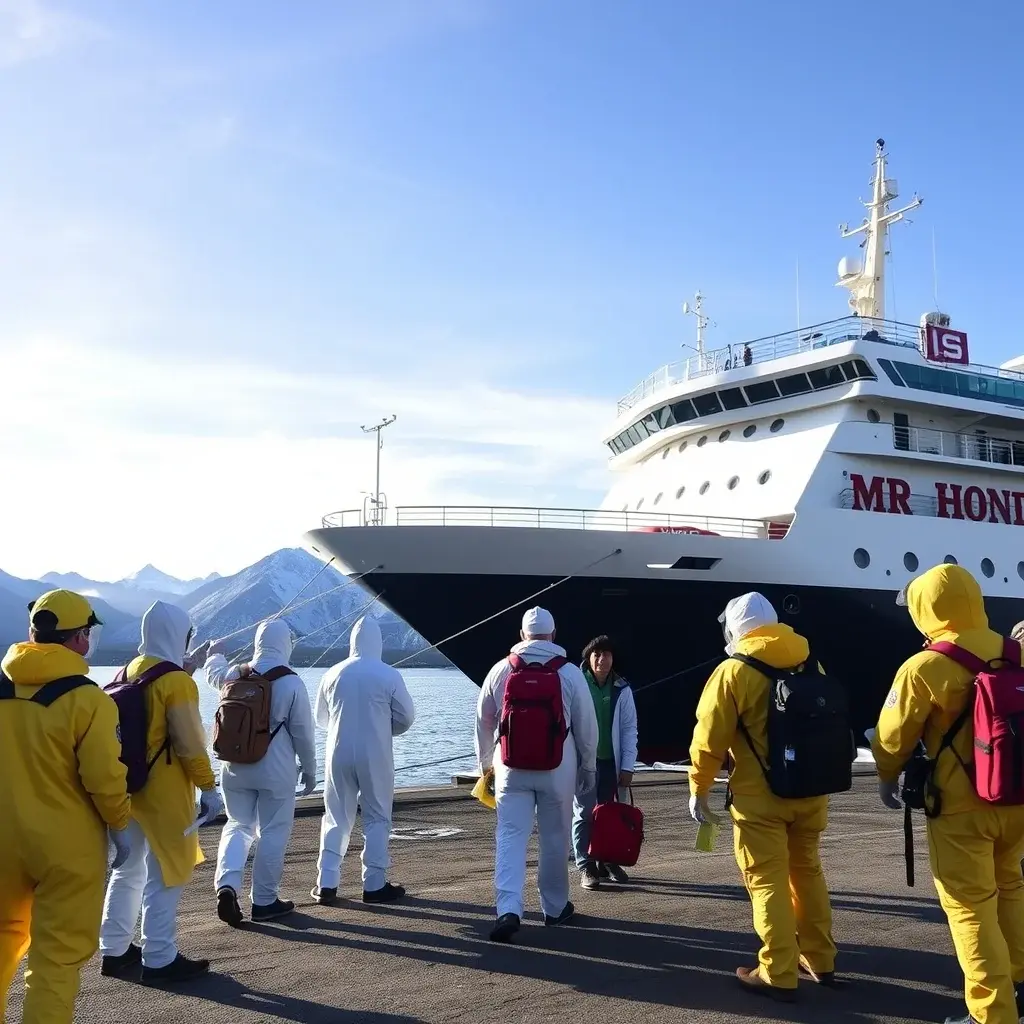
A Canadian passenger who sailed on the MV Hondius cruise ship, recently affected by a hantavirus outbreak, has tested positive for the disease. Officials in British Columbia confirmed the presumptive positive case on Friday, marking the 11th infection associated with the voyage. The individual is currently isolating on Vancouver Island with mild symptoms.
Background of the Outbreak
The MV Hondius, which departed from Argentina on April 1, experienced a hantavirus outbreak among its passengers. The ship eventually docked in Tenerife, Spain’s Canary Islands, where its 147 passengers and crew from 23 countries were disembarked and directed into isolation. The World Health Organization (WHO) has recommended a 42-day isolation period for all individuals who were on board.
The specific strain of hantavirus believed to be responsible is the Andes strain, which the WHO suggests some passengers may have contracted in South America. Hantaviruses are typically carried by rodents, but human-to-human transmission of the Andes strain is possible, though less common than rodent-borne transmission.
Canadian Cases and Isolation
Of the six Canadians who were on the ship, four were isolating on Vancouver Island. These four included the individual who has now tested positive, who is from Yukon, and a couple from British Columbia. Two other Canadians from Ontario are self-isolating at their homes.
British Columbia’s senior health officer, Dr. Bonnie Henry, stated that the four individuals isolating on Vancouver Island have had no contact with the public since their arrival in Canada. Her statement emphasized that the presumptive positive test result, while not ideal, was anticipated as part of the planned response.
Understanding Hantavirus
Dr. Henry also clarified that hantavirus is distinct from respiratory viruses like COVID-19, influenza, or measles. She stressed that hantavirus does not possess pandemic potential. Symptoms of hantavirus infection can include fever, extreme fatigue, muscle aches, stomach pain, vomiting, diarrhea, and shortness of breath.
The presumptive positive case is awaiting confirmation from a national microbiology laboratory. Thus far, none of the other five Canadians who were on the ship have tested positive. The outbreak has resulted in 11 total infections among cruise passengers, with three deaths reported. Two of these deaths have been confirmed as being caused by the virus.
Implications and Future Watch
While the risk of a widespread outbreak is considered very low by officials, this case highlights the challenges of managing infectious diseases on long voyages and the importance of robust isolation protocols. The isolation timeline for the Canadians, initially set at 21 days, may be adjusted based on the evolving situation and further health guidance.
The confirmed case underscores the need for vigilance in monitoring passengers even after disembarkation, particularly for diseases with varying incubation periods and modes of transmission. Public health authorities will continue to monitor the health of all individuals who were on the MV Hondius, focusing on preventing any potential secondary transmission and ensuring appropriate medical care.










Leave a Reply