
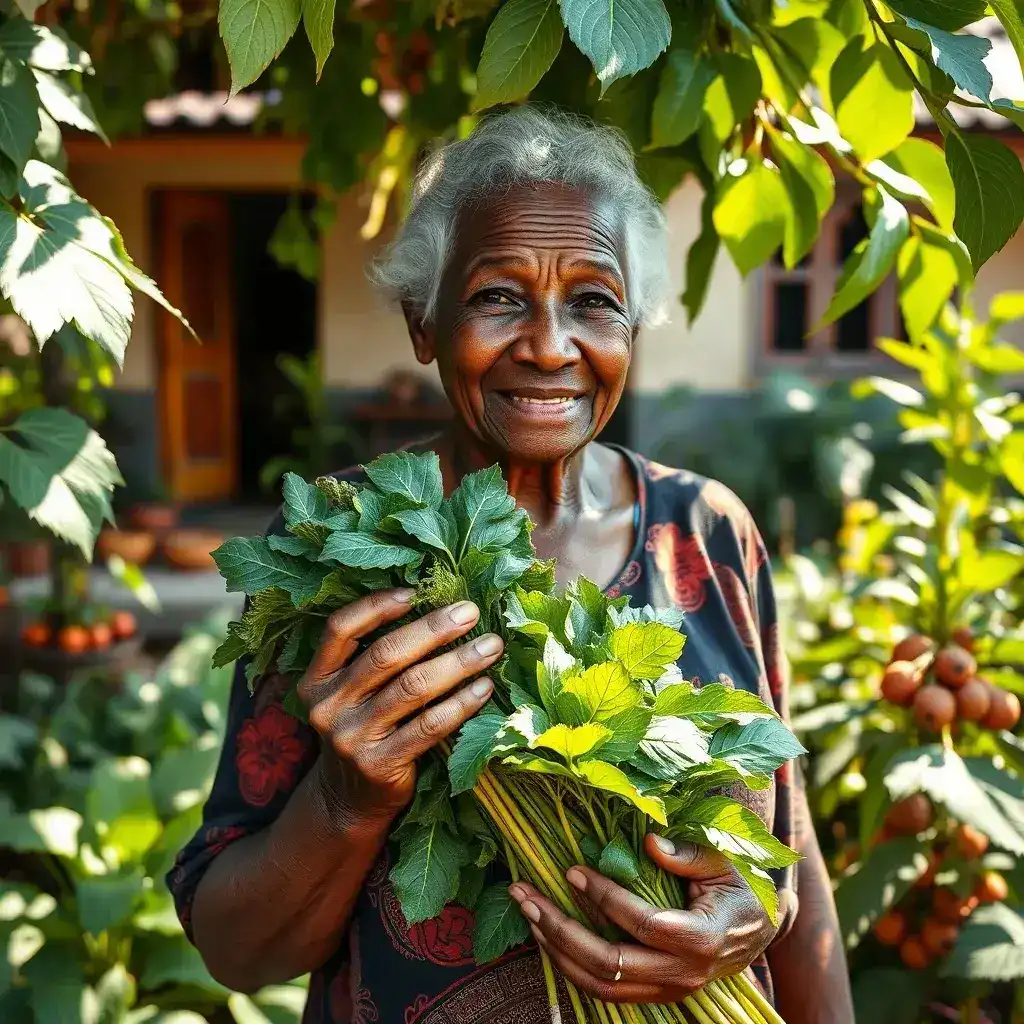
A 109-year-old woman from Ghana’s Eastern Region, Madam Comfort Agyeiwaa, is drawing attention for her remarkably long and seemingly healthy life, offering insights that align with modern scientific understanding of longevity. Her story, shared via UTV Ghana, highlights the power of simple, traditional lifestyle choices in achieving a long and vibrant existence.
Traditional Diet and Gut Health
Madam Agyeiwaa’s diet centers on fresh greens and plantains, staples deeply rooted in Ghanaian culinary traditions. This emphasis on minimally processed, traditional foods is a recurring theme in studies of long-living populations worldwide.
Plantains, particularly when consumed in their green form, are rich in resistant starch. This type of starch acts as a prebiotic, feeding beneficial gut bacteria. A healthy gut microbiome is increasingly linked to numerous health benefits, including the production of serotonin, a neurotransmitter crucial for mood stability and cognitive function.
Leafy green vegetables, another cornerstone of her diet, are packed with essential nutrients. They provide folate, vitamins, antioxidants, and phytochemicals that combat oxidative stress and inflammation, key biological drivers of the ageing process.
The Benefits of Backyard Farming
The centenarian’s reliance on backyard farming underscores its multifaceted contribution to a long and healthy life. This practice ensures consistent access to the freshest possible produce.
Foods harvested directly from a garden are often more nutrient-dense, as they are consumed shortly after picking, bypassing the nutrient degradation associated with long-term storage and transportation.
Furthermore, gardening naturally integrates physical activity into daily routines. Tasks like planting, watering, and harvesting provide gentle, consistent movement that benefits muscles and joints without the intensity of formal exercise.
The act of tending to a garden also offers significant mental health benefits. Spending time outdoors, engaging with nature, and nurturing plants can reduce stress and elevate mood, contributing to overall well-being.
Integrity and Social Harmony
Beyond diet and physical activity, Madam Agyeiwaa emphasizes a profound principle: respecting boundaries and avoiding unnecessary conflict. Her advice to not trespass into others’ territories and to refrain from taking what does not belong to you reflects core values of good character (suban) and social harmony within Ghanaian culture.
Living with integrity and maintaining peace within one’s community can translate into tangible health benefits. Reduced interpersonal stress and a sense of belonging are vital components of both mental and physical resilience.
Modern Science Validates Traditional Wisdom
While often perceived as a matter of genetics, longevity is increasingly understood as a complex interplay of lifestyle factors. Madam Agyeiwaa’s story resonates with findings from extensive research that validate traditional wisdom.
Large-scale studies and meta-analyses consistently demonstrate strong correlations between healthy lifestyle behaviors—including diet, regular physical activity, adequate sleep, strong social connections, and stress management—and increased lifespan with better health outcomes in older age.
The principles embodied by Madam Agyeiwaa—a diet rich in whole, traditional foods, consistent gentle physical activity, and a life lived with integrity and social connection—offer a compelling blueprint for healthy ageing.
As modern science continues to unravel the mechanisms of ageing, it increasingly reaffirms what generations have intuitively known: that a life well-lived, in harmony with nature and community, is a powerful prescription for a long and healthy future. Observers will be watching to see how these simple yet profound practices continue to influence approaches to healthy longevity.










Leave a Reply