
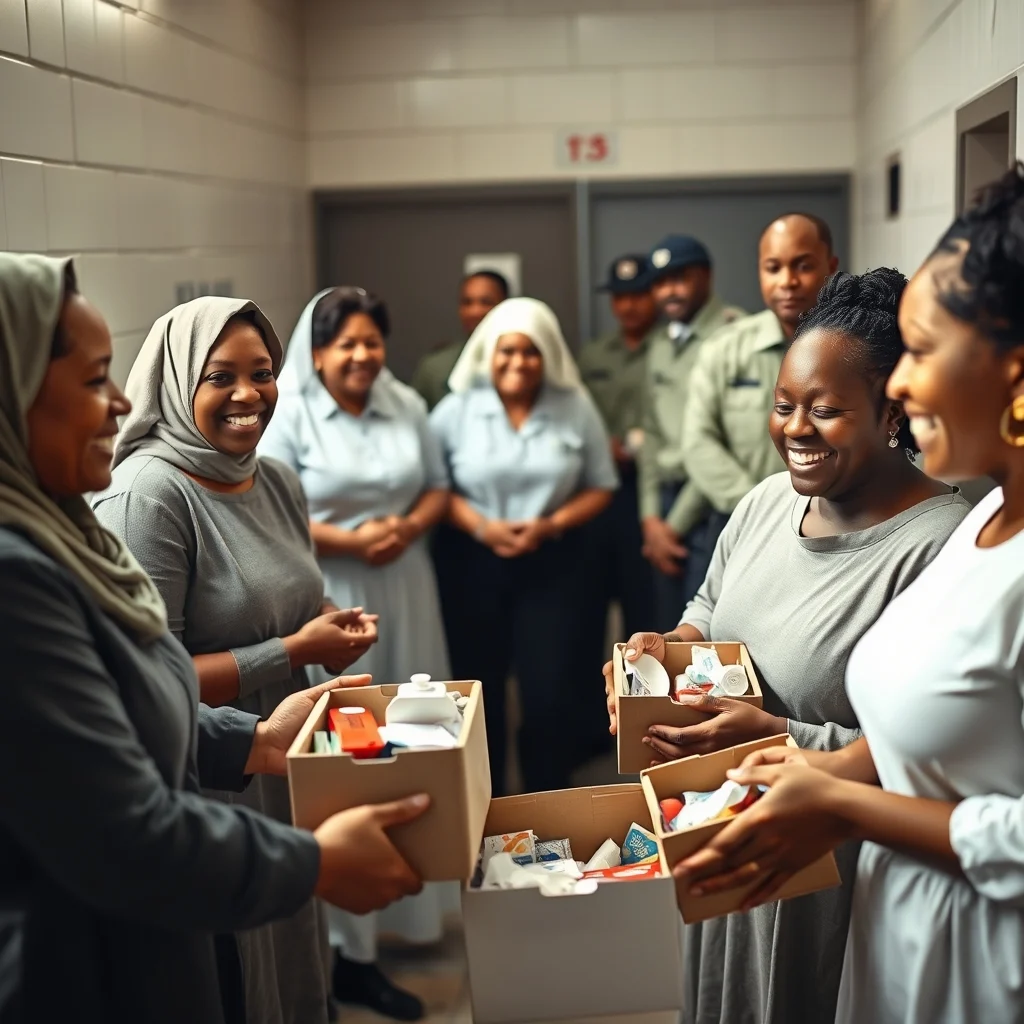
Kumasi, Ghana – The women’s fellowship of the Global Evangelical Church marked Mother’s Day early this past weekend by delivering essential supplies and financial support to female inmates at the Kumasi Central Prisons. The donation, valued at GH¢6,000, underscores the church’s ongoing prison ministry, which aims to uplift inmate welfare and affirm their connection to society.
Context: Prison Ministry and Inmate Welfare
The Global Evangelical Church’s initiative is part of a broader trend of faith-based organizations engaging in prison ministry. These ministries often focus on providing material aid, spiritual guidance, and support for the rehabilitation of incarcerated individuals. The aim is to address the often-overlooked needs of inmates and foster a sense of hope and belonging.
Donation Details and Church Motivation
The church’s women’s fellowship presented a range of items including toiletries, foodstuffs, beverages, and bottled water. A significant portion of the donation was also allocated as financial support towards the purchase of a gas cooker for the facility.
Presbyter Christi Bobobi of the Global Evangelical Church highlighted the motivation behind the gesture. “We have to share whatever we have as women. That’s what motivated us because we know some of them are in need as inmates,” she stated during the presentation.
Bobobi emphasized the church’s commitment to this cause, promising continued support. “This will not be the last time. The prison ministry is one of the important ministries in our work and, now that we have revived it, we will ensure that, as regularly as possible, we come,” she affirmed.
Appeal for Broader Support
Mrs. Bobobi extended an appeal to the wider community, urging individuals, churches, and institutions not to overlook prisoners. “To institutions outside, we want to encourage them not to forget our sisters who have been locked behind bars. There are so many of them and they have many needs, so those who can give something should come and make donations to them,” she implored.
Prison Officials Highlight Challenges
Assistant Superintendent of Prisons (ASP) Vida Elizabeth Owusu received the donation and expressed deep gratitude. She shed light on the persistent challenges faced by the female section of the prison, particularly regarding inadequate feeding grants.
ASP Owusu noted that while the government recently increased the daily feeding grant per inmate from GH¢1.80 to GH¢5.00, this amount remains insufficient given the current economic climate and rising food prices. “The feeding fee was initially GH¢1.80, and now the government has increased it to GH¢5, but you know GH¢5 cannot do much these days,” she explained.
She confirmed that external donations play a crucial role in supplementing the official grants. “When people help us like this, we add it to their feeding grant so that the quantity of food will be sufficient for them,” ASP Owusu added.
Rehabilitation and Reintegration Needs
Beyond immediate welfare needs, ASP Owusu appealed for public assistance in areas critical for inmate rehabilitation. She requested support in the form of food items, medical supplies, and materials for vocational and skills training programs.
“We need the public to assist us with items so that we can train them in various vocational skills. We also need medical supplies such as first aid drugs to care for them whenever they fall sick,” she stated, emphasizing the goal of preparing inmates for successful reintegration into society.
Broader Implications and Future Outlook
The donation by the Global Evangelical Church highlights the vital role faith-based organizations play in supporting correctional facilities. These interventions go beyond material aid, aiming to provide social inclusion and support rehabilitation efforts.
As the church recommits to its revived prison ministry, the focus will likely be on regular visits and sustained support. This case serves as a model for other institutions looking to contribute to inmate welfare and rehabilitation. The ongoing need for resources in correctional facilities, particularly for feeding, medical care, and skills development, remains a significant challenge that requires continued public and institutional engagement. Observers will be watching to see if this event inspires similar actions from other religious and civic groups, and if it prompts a broader conversation about the adequacy of government support for inmate welfare and rehabilitation programs.










Leave a Reply