
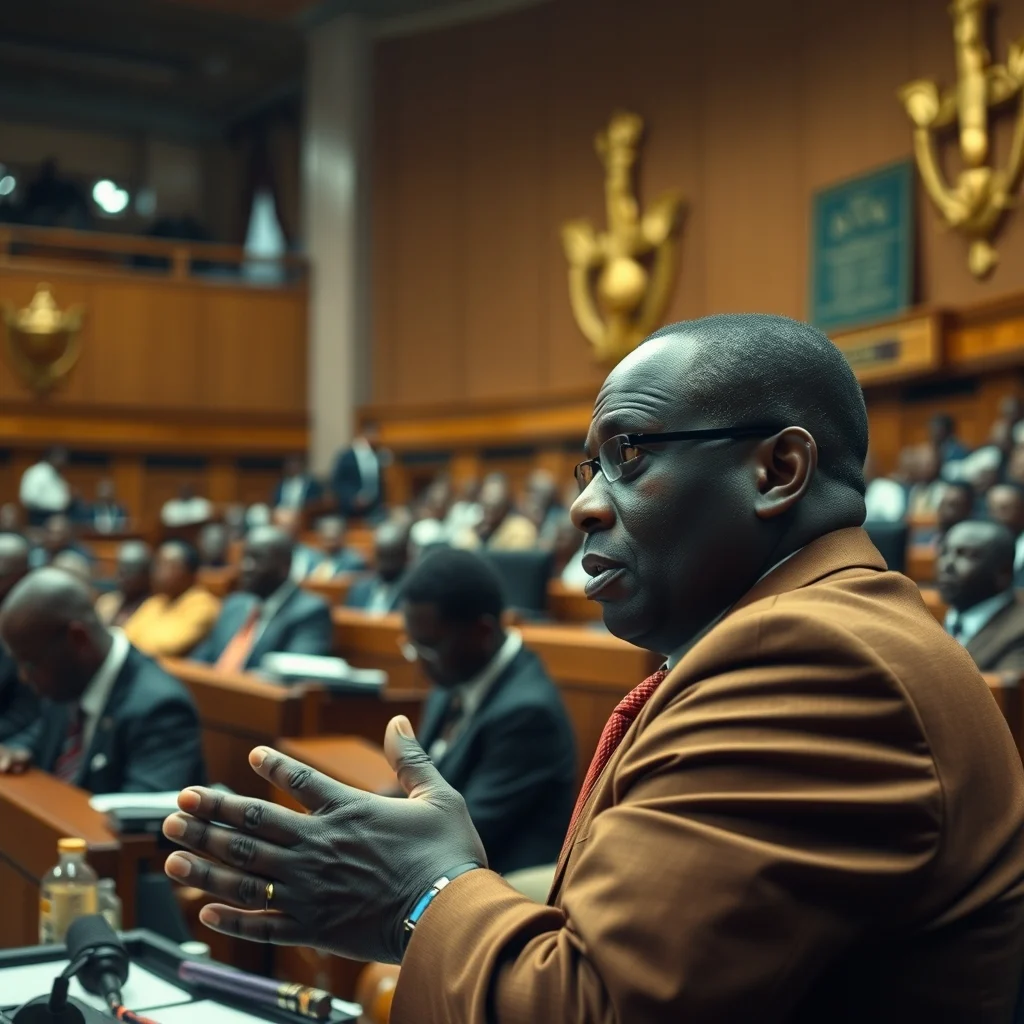
Accra, Ghana – Concerns have been raised regarding the legislative process behind the passage of the Human Sexual Rights and Family Values Bill, 2025, commonly known as the anti-LGBTQ bill. Member of Parliament for Bosome Freho, Nana Asafo-Adjei Ayeh, has questioned the circumstances under which the bill was finalized, citing the absence of key sponsors during crucial deliberations and the final motion for its passage.
Context of the Bill’s Passage
The Human Sexual Rights and Family Values Bill has been a subject of intense debate in Ghana for months. Its passage by Parliament last week followed several amendments that introduced exemptions for legal practitioners, journalists, media organizations, and healthcare professionals when carrying out their professional duties concerning LGBTQ individuals.
Questions Surrounding Amendments
MP Nana Asafo-Adjei highlighted that these specific exemptions were not part of the original intent of the bill’s proponents. He stated that one of the lead sponsors, Rev. John Ntim Fordjour, MP for Assin South, reportedly objected to the amendments before leaving the parliamentary chamber.
“The sponsors of the bill never exempted anyone. The sponsors of the bill did not at any point discuss the introduction of Clause 9,” Asafo-Adjei asserted in a radio interview. He emphasized the procedural requirement for a bill’s sponsor to move the final motion for its passage, noting that none of the listed sponsors were present during this critical stage.
Procedural Irregularities Alleged
Further complicating the matter, Asafo-Adjei pointed out that the final motion to pass the bill was moved by Rockson-Nelson Dafeamekpor, MP for South Dayi, who is not among the bill’s ten listed sponsors. This action, according to Asafo-Adjei, raises questions about the legitimacy of the bill’s final approval.
The Minority Caucus has also voiced opposition to the amendments, arguing that they deviate significantly from the bill’s original purpose. They have suggested that the version of the bill previously sent for presidential assent may have contained procedural flaws or unintended consequences.
Parliamentary Leadership Engages
In response to the controversy and ongoing debates, Speaker of Parliament Alban Bagbin has initiated discussions with parliamentary leadership. The aim is to foster consensus and address the constitutional steps required as the bill moves forward.
Implications and Future Watch
The questions raised by MP Asafo-Adjei and the concerns from the Minority Caucus underscore the contentious nature of the anti-LGBTQ bill and the potential for procedural challenges. The exemptions introduced could significantly alter the bill’s impact on professional conduct and freedom of the press. Observers will be watching closely to see how the Speaker’s consultations unfold and whether these procedural questions lead to further amendments or delays in the bill’s enactment. The legal standing of the bill and its future implementation will depend on the resolution of these parliamentary debates and any subsequent legal reviews.










Leave a Reply