
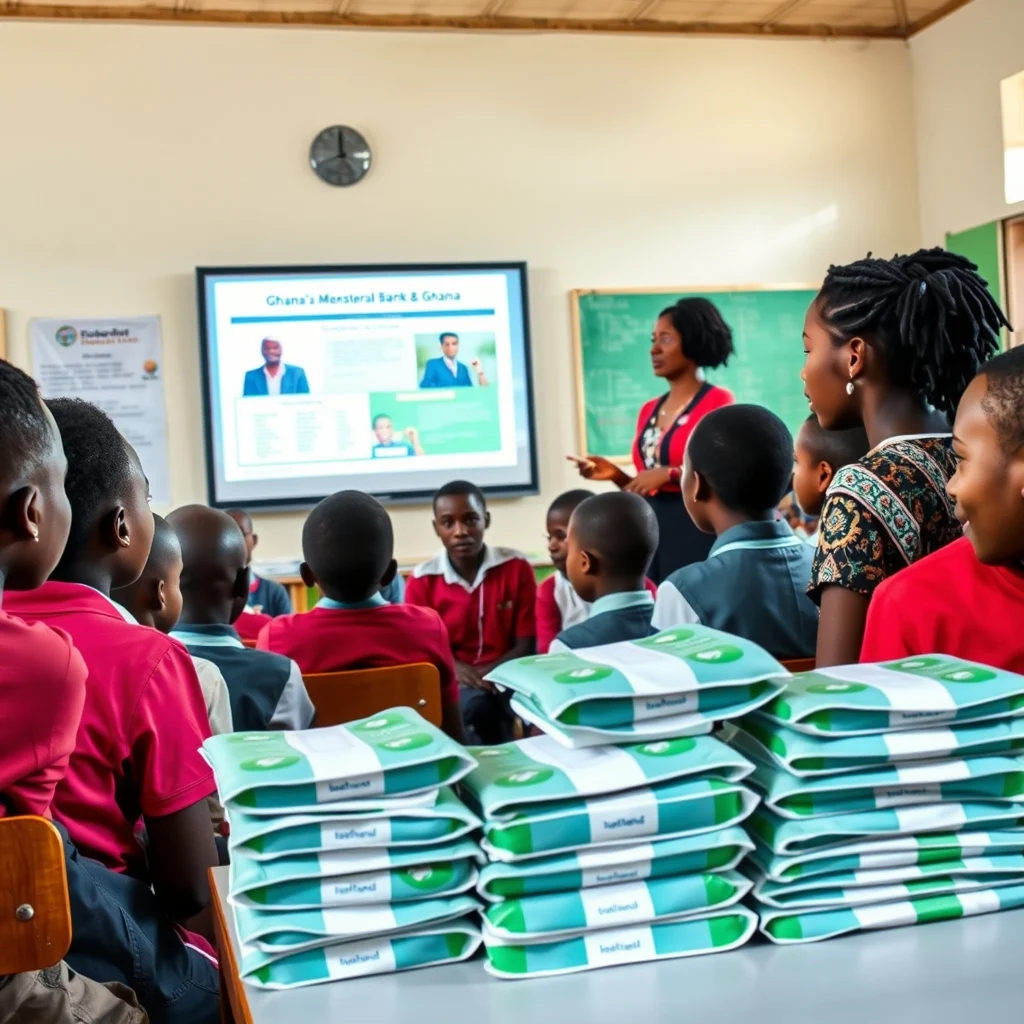
Development Bank Ghana (DBG) recently launched a significant Corporate Social Responsibility (CSR) initiative focused on menstrual hygiene, donating over 10,000 sanitary pads and conducting educational sessions at Tepa Senior High School, Mabang Senior High School, and CMI Carmel School. The campaign, timed with Menstrual Hygiene Day, aims to dismantle the centuries-old myth that menstruation renders women “unclean” and combat the resulting shame and discrimination.
Challenging Deep-Rooted Myths
For generations, cultural and religious traditions have perpetuated the misconception that menstruation is a sign of impurity. This belief has led to stigma, isolation, and significant barriers for girls and women in accessing education and sanitation. Advocates emphasize that menstruation is a natural biological process, not a reflection of cleanliness or moral standing.
Barbara Anawonu Wricketts, Head of Corporate Social Responsibility at DBG, directly addressed these harmful beliefs during the outreach. She stated that the notion of menstruation making a woman “unclean” is a misconception that must be stopped. This myth, she explained, often results in men and others avoiding women during their periods, reinforcing negative stereotypes and hindering open discussions about menstrual health.
“Challenging the myth and normalizing menstruation is essential if we want to create a society where women and girls can manage their periods with dignity and without fear of judgment,” Ms. Anawonu Wricketts remarked. She highlighted that such attitudes can negatively impact girls’ confidence in school, work, and social settings.
DBG’s Commitment to Human Capital Development
The menstrual hygiene drive is part of DBG’s ongoing CSR efforts, which regularly include the distribution of sanitary pads to students. This initiative aligns with the bank’s broader mandate to support human capital development by removing practical and social barriers that affect girls’ education.
“Our goal is to remove the practical and social barriers that keep girls out of the classroom,” Ms. Anawonu Wricketts explained. “By combining sanitary pad distribution with targeted education, we are helping to normalize conversations around menstruation and support the confidence of women, especially students, during their periods.”
DBG has pledged to continue its commitment to supporting menstrual health programs and expanding access to sanitary products for women and girls. This commitment underscores the bank’s role as a Development Finance Institution focused on sustainable, global best practices.
Community Impact and Student Voices
School authorities at the beneficiary institutions welcomed DBG’s intervention, noting the significant financial burden many students face in affording sanitary pads. This affordability issue often leads to girls missing classes during their periods.
Madam Helena Baffoe Adentwi, Senior House Mistress at Tepa SHS, emphasized the importance of the educational component, which included both boys and girls. She believes these open conversations are critical for shifting attitudes within the school community, dispelling myths, and fostering a more supportive environment. Boys learning to show understanding rather than stigma is a key outcome.
Female students expressed profound gratitude for the donation and education. “This support means a lot to us,” shared one student. “Many of us had no choice but to use rags or scraps of paper during our periods, which put us at risk of infections and other health issues.”
With access to proper sanitary products, students anticipate improved dignity, reduced health risks, and importantly, decreased absenteeism. This allows them to focus more effectively on their studies without fear or embarrassment.
Looking Ahead
DBG’s initiative highlights the growing recognition among institutions of the link between menstrual hygiene, education, and overall empowerment. As the bank continues its CSR activities, the focus will likely remain on sustainable solutions that address both material needs and the critical need for education and stigma reduction. The success of this drive may encourage other organizations to adopt similar comprehensive approaches to menstrual health, potentially leading to wider policy changes and increased support for women and girls across Ghana and beyond.










Leave a Reply