
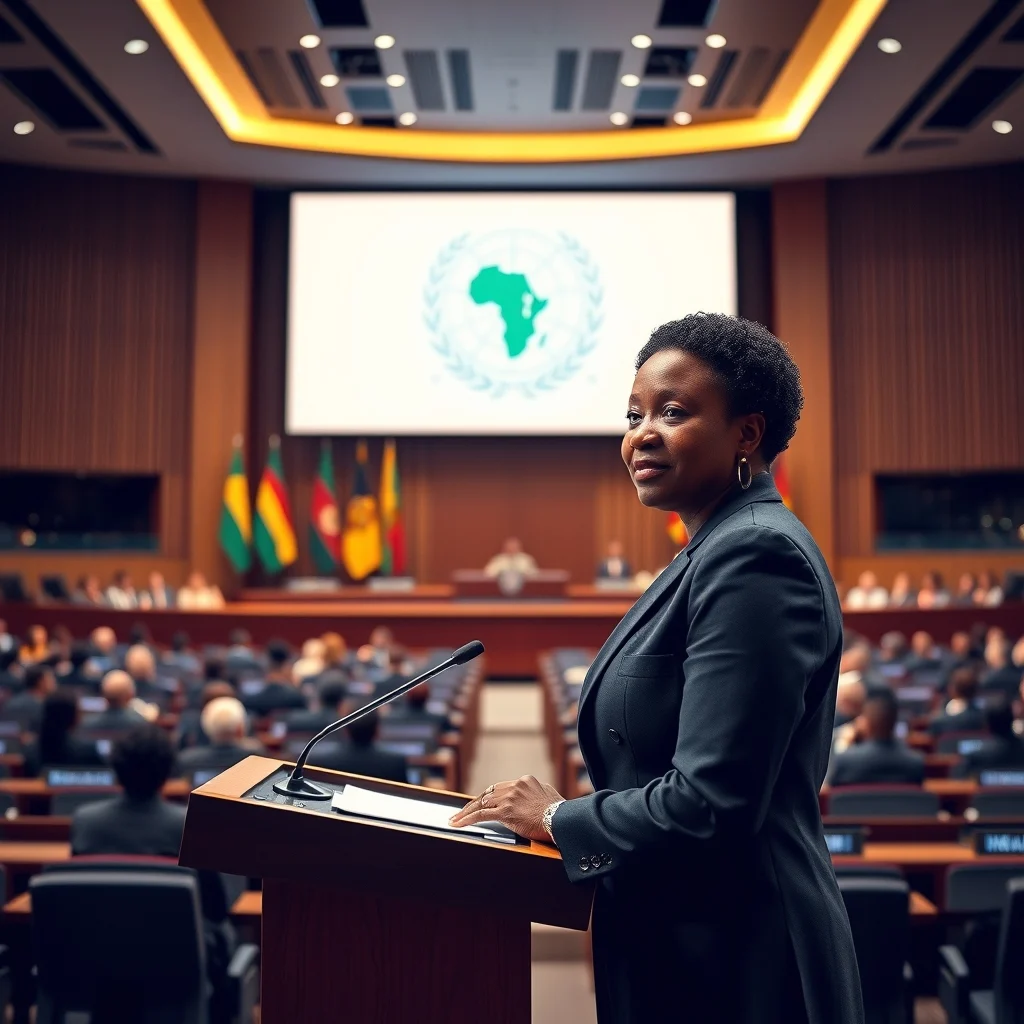
Ghanaian Member of Parliament for Korle Klottey, Dr. Zanetor Agyeman-Rawlings, was elected as the Second Deputy President of the Pan-African Parliament (PAP) during its recent session in Johannesburg, South Africa. This significant electoral victory, where she secured 131 votes against her closest contender’s 51, elevates Ghana’s diplomatic influence within the African Union’s legislative body.
A Historic First for West Africa
Dr. Agyeman-Rawlings’ appointment marks a historic milestone, as she becomes the first woman from the West African Caucus to hold such a high-ranking position in the PAP’s history. Her election to the Bureau, which functions as the presidium for PAP sessions, is being widely interpreted as a testament to Ghana’s strong parliamentary traditions and the caliber of its representatives on the continental stage.
Understanding the Pan-African Parliament
The Pan-African Parliament serves as the legislative arm of the African Union, tasked with fostering the active participation of African citizens in the continent’s economic development and integration. Established under the AU’s Constitutive Act, the PAP comprises up to 275 members, with five representatives from each of the 55 AU Member States that have ratified the Protocol establishing the Parliament.
A key feature of the PAP is its emphasis on diversity. Members are nominated by their national parliaments, with a mandatory requirement that each delegation includes at least one woman to ensure gender parity. The Parliament is regionally structured into five caucuses: North, South, East, West, and Central. These regional blocs play a crucial role in the nomination and election of PAP officials.
The leadership structure, known as the Bureau, consists of a President and four Vice-Presidents, with each representing one of the continent’s five regions. The PAP operates through ten permanent committees and one ad hoc committee, which delve into specific sectors of African governance, economics, and social life.
Ghana’s Enhanced Continental Voice
Under the PAP protocol, a member’s term in the continental parliament generally aligns with their tenure in their national parliament. Dr. Agyeman-Rawlings’ election ensures that Ghana will possess a significant voice in the leadership of the AU’s legislative organ. This is particularly crucial as the continent navigates complex challenges related to integration, economic development, and political cooperation.
The decisive nature of her victory has been highlighted by her supporters, who view it as a clear indicator of the confidence her peers across Africa have in her leadership capabilities and diplomatic acumen. This strong mandate is expected to empower her to effectively represent her constituents and advance Ghana’s interests on the continental platform.
Implications for Regional Diplomacy and Gender Representation
Dr. Agyeman-Rawlings’ ascension to the Second Deputy Presidency carries significant implications. It not only strengthens Ghana’s position within the AU but also provides a powerful platform for advocating for issues critical to West Africa. Her role as the first woman from the region to achieve this position is a major step forward for gender representation in African governance.
Her election could inspire more women across the continent to seek leadership roles in continental bodies. It underscores the growing recognition of women’s capabilities in political and legislative spheres. The PAP, as a body striving for greater African unity and development, will benefit from her perspective and leadership in navigating multifaceted continental agendas.
Looking Ahead
With Dr. Agyeman-Rawlings now a key figure in the PAP’s Bureau, attention will be on how she leverages this position to influence policy discussions and drive forward the AU’s agenda. Observers will be watching to see how her leadership impacts discussions on economic integration, peace and security, and sustainable development across Africa. Her success is likely to further encourage participation from other emerging female leaders within African parliaments.










Leave a Reply