
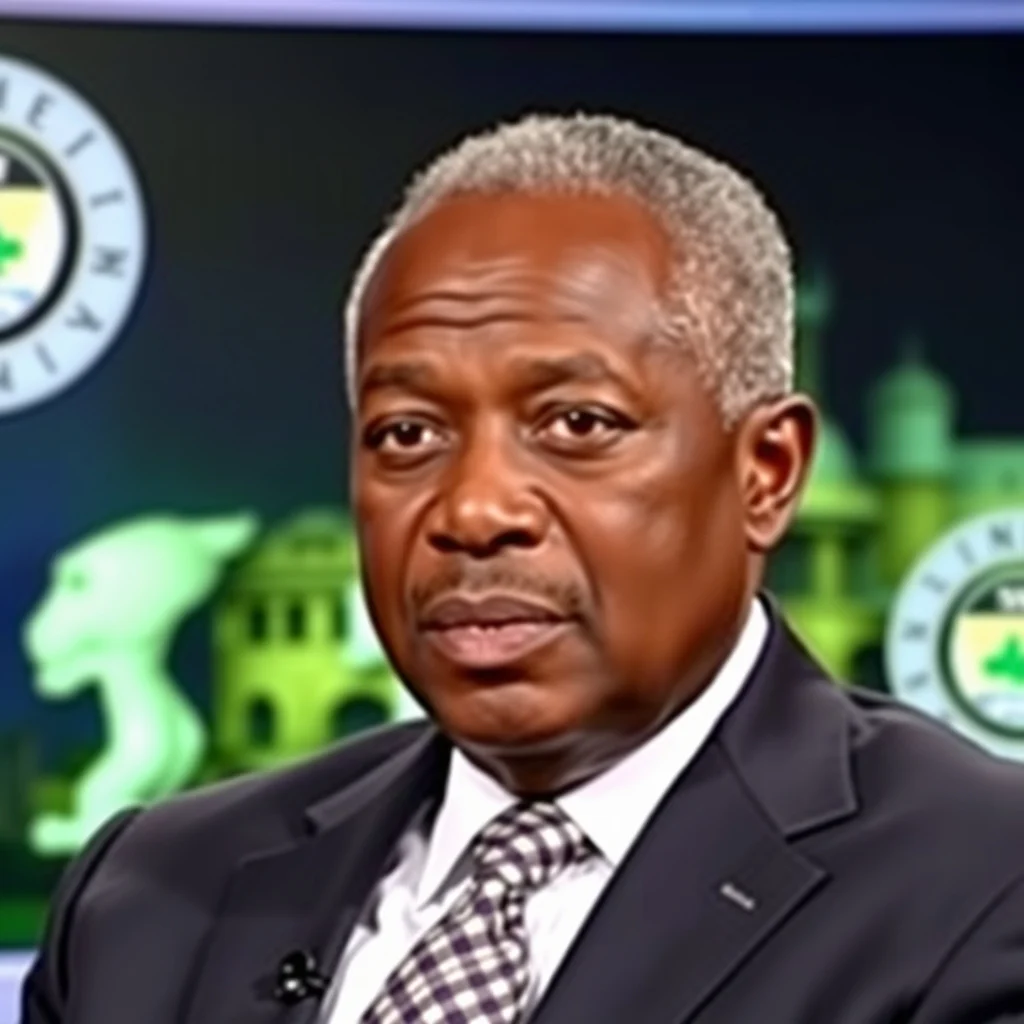
Ghana’s High Commissioner to South Africa, Benjamin Quarshie, has firmly refuted viral claims suggesting that Ghanaians have been killed amidst recent xenophobic incidents in South Africa, stating that no such fatalities have been officially recorded by the mission. The envoy made these assertions on the program PM Express with Evans Mensah, addressing heightened tensions and circulating online reports that have targeted foreign nationals.
Context of Rising Tensions
South Africa has a history of xenophobic violence, often targeting foreign nationals, particularly those from other African countries. These attacks are frequently fueled by economic anxieties, unemployment, and sometimes scapegoating of immigrants for societal problems. In recent times, social media has played a significant role in amplifying both the incidents themselves and, at times, misinformation surrounding them.
The current wave of unrest has seen reports of violence and intimidation against foreign-owned businesses and individuals. This has led to a climate of fear and uncertainty for many expatriate communities residing in the country.
Debunking Specific Viral Claims
Mr. Quarshie specifically addressed a widely circulated report concerning the death of a Ghanaian national in East London. He explained that upon investigation, the incident was found to be entirely unrelated to xenophobic violence.
“We got to find out that the gentleman was stabbed to death by armed robbers, and it happened three weeks ago,” Mr. Quarshie stated. He noted that authorities only became aware of the death weeks after it occurred, and that the body had been left unattended.
The Ghanaian government, through its Foreign Affairs Minister, has officially requested a thorough investigation into this separate criminal act. Instructions were also given to halt an attempted mass burial until the investigation is completed, ensuring due process and accountability.
“Until we know who killed him, why he was killed, and compensation given to his family,” the envoy emphasized, highlighting the government’s commitment to seeking justice for the deceased and his family. The victim’s family in Ghana has been identified and contacted, with the envoy describing the circumstances of the killing as “pathetic” and noting the deceased was the family’s breadwinner.
Official Data Contradicts Reports
The High Commissioner stressed that official data available to the Ghanaian mission in South Africa does not corroborate the viral claims of Ghanaians being killed in xenophobic attacks. “The statistics are there; they’ve given it to us,” he confirmed.
He assured that the mission would maintain vigilance and ensure accountability for any incidents involving Ghanaians or other African nationals in South Africa. “We would ensure there’s accountability. Will account for every single individual, be it Ghanaian, be it any African person,” Mr. Quarshie pledged.
Shifting Diplomatic Stance
Mr. Quarshie signaled a more assertive approach from the Ghanaian government in addressing such matters. “But I’m sure that the era of Ghanaians or any other person being killed, and South African authorities just brushing it aside… that era is over,” he declared.
The mission is committed to pursuing justice relentlessly. “Until justice is done, we will not stop,” he added, underscoring a new era of diplomatic engagement focused on ensuring the safety and rights of Ghanaian citizens abroad.
Implications and Future Outlook
The clarification from the Ghanaian High Commissioner is crucial in combating misinformation that can exacerbate tensions and incite further violence. For the Ghanaian diaspora in South Africa, it offers a measure of reassurance, albeit tempered by the tragic, unrelated criminal incident that occurred.
The firm stance taken by the Ghanaian government suggests a potential shift in how African nations will address issues of xenophobia and the safety of their citizens within South Africa. This could lead to increased diplomatic pressure and collaborative efforts to tackle the root causes of xenophobia. Readers and the wider African community will be watching to see if this leads to sustained improvements in safety and a reduction in xenophobic incidents, and how South African authorities respond to the renewed call for accountability and justice.










Leave a Reply