
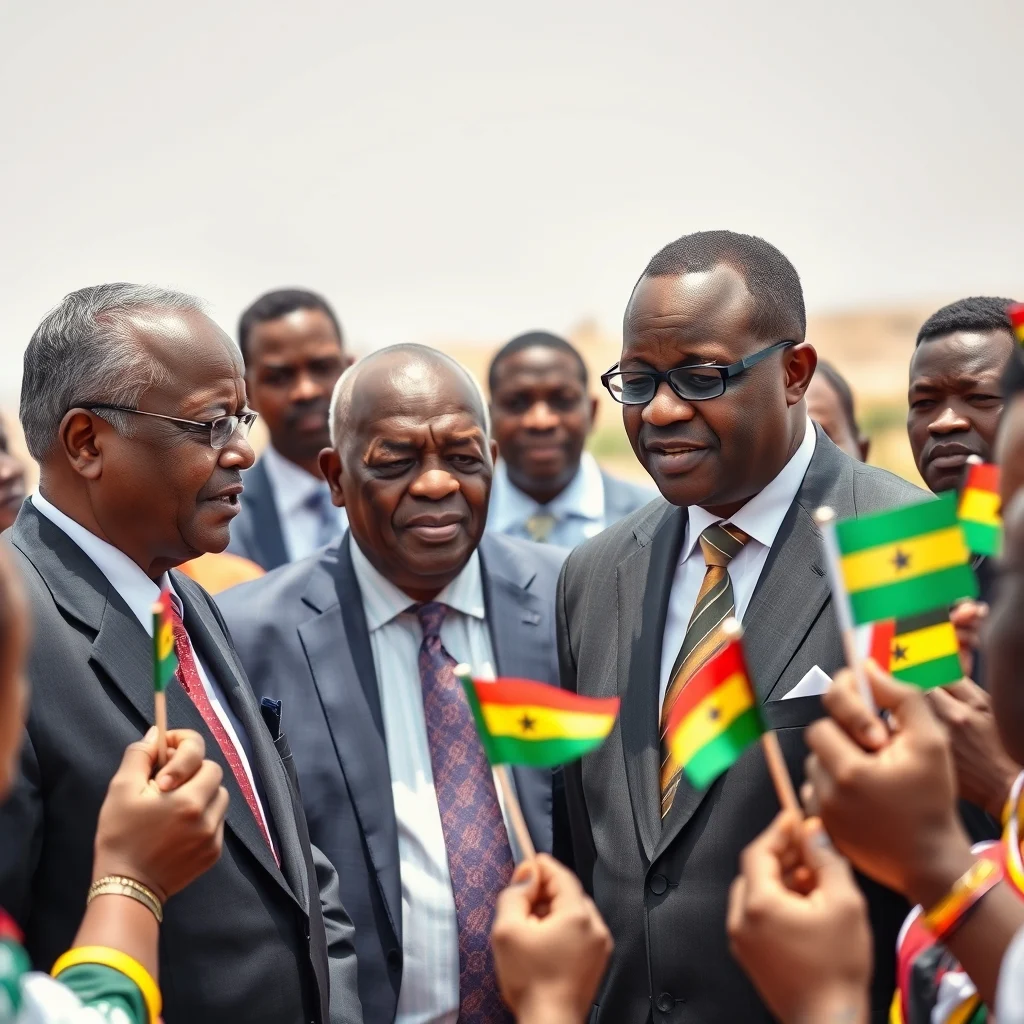
Savannah Region, Ghana – May 22, 2024 – Education Minister Haruna Iddrisu subtly distinguished President John Dramani Mahama’s post-election engagements from parallel appreciation tours within the National Democratic Congress (NDC) during a recent event in the Savannah Region. Addressing supporters in the presence of the President, Iddrisu characterized Mahama’s tour as the “proper” thank-you tour, differentiating it from other party-led initiatives.
The comments emerged on Friday, May 22, during a presidential tour in the Savannah Region. Minister Iddrisu remarked, “I recall when the President came for his thank you tour, not the other thank you tour.” He further elaborated, “A proper thank you tour of President Mahama, not the curtain-raiser one.”
Context of NDC’s Post-Election Activities
Iddrisu’s remarks occur amidst a nationwide “Thank You Tour” being conducted by the NDC National Chairman, Johnson Asiedu Nketia. This tour follows the party’s victory in the 2024 general elections, with Asiedu Nketia stating its purpose is to express gratitude to Ghanaians for returning the NDC to power.
During a recent stop in Tamale, Asiedu Nketia addressed the party’s controversial parliamentary leadership reshuffle, which preceded the elections. He defended the changes, arguing they were essential for improving the party’s electoral performance.
“New things were emerging, and I said that we have to change the forward line of Parliament, otherwise it will be difficult for us to win the election,” Asiedu Nketia explained. He acknowledged that the decision caused internal friction and was misunderstood by some supporters, but maintained it was a strategic move, not a personal one.
“There was hell, and people started thinking that somebody who has been my friend for more than 20 years has suddenly become my enemy,” he said, reflecting on the fallout from the reshuffle.
Allegations of Political Maneuvering
The National Party Chairman also claimed that despite the tensions surrounding the reshuffle, he advocated for critical appointments for both Haruna Iddrisu and Muntaka Muhammed under President Mahama’s second term. This assertion is widely interpreted as a backdrop to Iddrisu’s recent comments.
The NDC undertook a significant restructuring of its parliamentary leadership in January 2023. This exercise saw the replacement of the then-Minority leadership team, headed by Haruna Iddrisu. Cassiel Ato Forson was appointed the new Minority Leader, replacing Iddrisu.
The reshuffle also included Emmanuel Armah-Kofi Buah stepping in as Deputy Minority Leader, replacing James Klutse Avedzi. Kwame Governs Agbodza was named Minority Whip, with Ahmed Ibrahim and Comfort Doyoe Ghansah appointed as First and Second Deputy Whips, respectively. The party officially described these changes as part of a broader restructuring strategy aimed at enhancing electoral prospects for the 2024 elections.
Implications for Party Dynamics
Minister Iddrisu’s carefully worded distinction between the President’s tour and the Chairman’s tour suggests a potential undercurrent of disagreement or differing perceptions regarding party communication and strategy following the electoral victory. By highlighting the President’s tour as the “proper” one, Iddrisu may be subtly aligning himself with the presidential initiative while implicitly questioning the framing or execution of the party chairman’s tour.
The comments also appear to be a measured response to Asiedu Nketia’s earlier defense of the parliamentary leadership reshuffle, which had directly involved Iddrisu. The minister’s choice of words suggests a desire to emphasize the presidential mandate and its perceived legitimacy over internal party maneuvers.
The differing approaches to post-election engagement and the underlying discussions about leadership reshuffles could indicate ongoing strategic discussions within the NDC. As the party solidifies its position after the 2024 victory, these internal dialogues will be crucial in shaping its unified front and future direction. Observers will be watching to see if these subtle differences in messaging lead to broader conversations about party governance and communication strategies moving forward.










Leave a Reply