
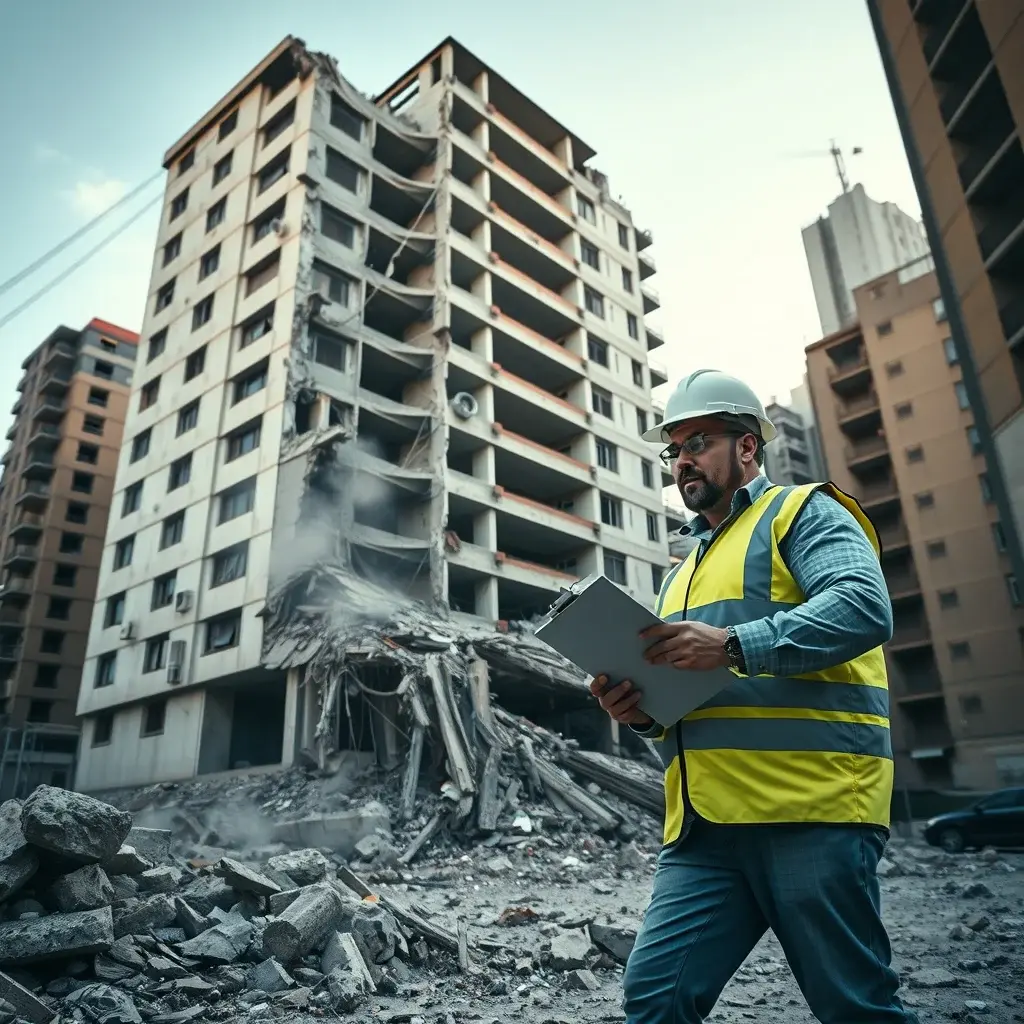
A structural engineering expert has identified a critical lack of professional oversight, substandard materials, and non-compliance with approved designs as the primary drivers behind recent building collapses in Ghana. These incidents, particularly a recent one in Avenor, Accra, underscore persistent vulnerabilities within the nation’s construction sector, posing significant risks to public safety.
Persistent Weaknesses in Construction
Ing. Prince Kas-Avortri, Executive Secretary of the Structural Sub-Division of the Ghana Institution of Engineering, described the recent collapses as tragic and entirely preventable. He highlighted that while the causes are complex, the fundamental issue lies in the insufficient engagement and supervision of licensed professionals on construction projects.
Many developers, according to Ing. Kas-Avortri, opt to bypass certified engineers and architects. Instead, they rely solely on local artisans and unqualified foremen. While acknowledging the crucial role of artisans, he stressed that multi-storey buildings necessitate the expertise of certified engineers to guarantee sound design and safe execution.
Substandard Materials and Design Deviations
Another significant concern raised is the pervasive use of inferior construction materials. Developers frequently compromise the integrity of structures by reducing cement content or altering the water-cement ratio to cut costs. This practice directly impacts the strength class of concrete, leading to inherently weak buildings.
Ing. Kas-Avortri also pointed out that even when developers secure necessary permits and approved construction designs, adherence during the actual building process is often lacking. This deviation from approved plans further compromises structural integrity.
Cost-Cutting Over Safety
These dangerous practices reflect a mindset where cost-saving takes precedence over human safety. Ing. Kas-Avortri warned that until developers recognize the engagement of licensed professionals as a critical safety measure, rather than an additional expense, such avoidable failures will persist.
The Ghana Institution of Engineering is advocating for more stringent enforcement of existing building regulations. They also call for increased accountability within the construction industry to prevent future tragedies and protect lives.
Looking Ahead: Enforcement and Accountability
The recurring nature of these building failures signals an urgent need for systemic change. Stricter regulatory enforcement, coupled with robust accountability mechanisms for developers and construction professionals, is paramount. Public awareness campaigns could also play a role in educating developers about the non-negotiable importance of safety standards. The focus moving forward will likely be on how effectively these calls for stricter oversight and accountability are translated into actionable policies and practices within Ghana’s construction sector.










Leave a Reply