
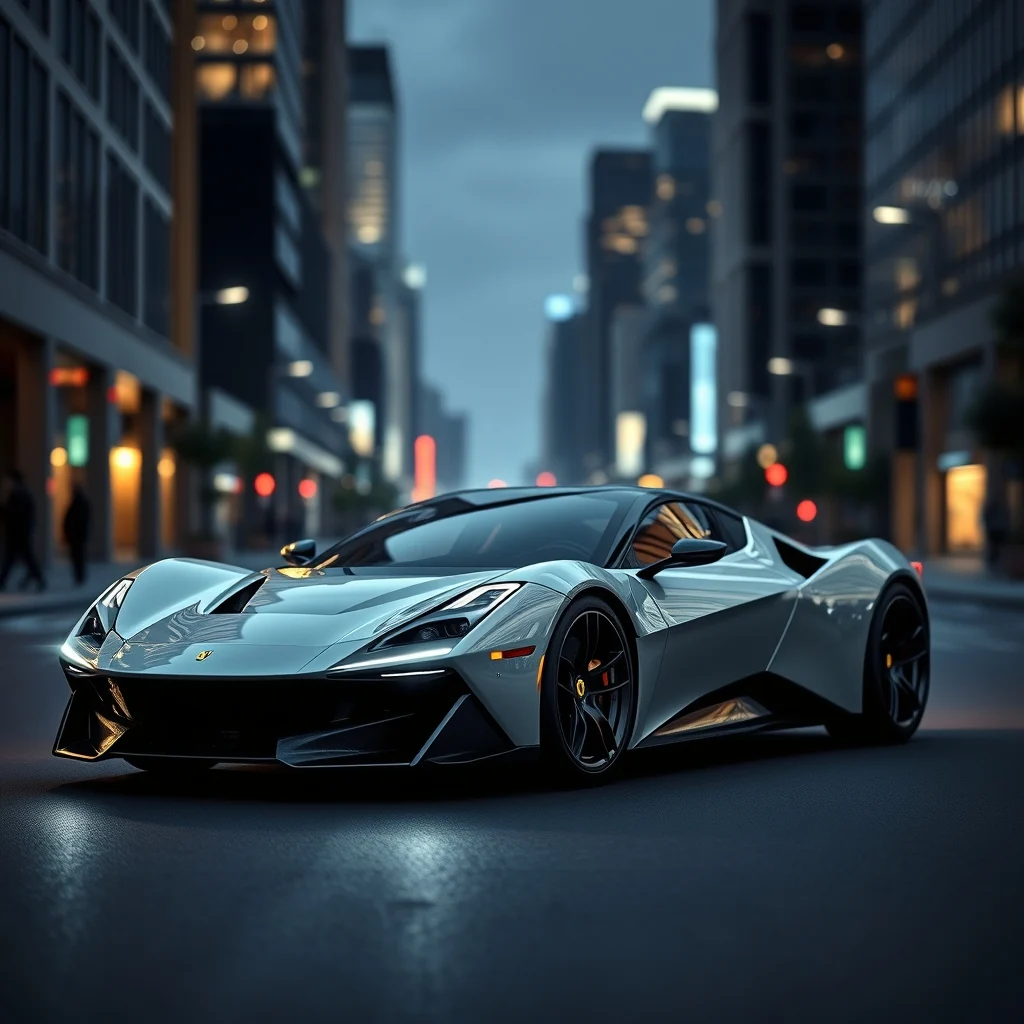
Ferrari, the iconic Italian luxury automaker, has unveiled its first-ever electric vehicle (EV), the Luce, a move met with significant backlash from critics, investors, and politicians. The launch event, attended by dignitaries including the Italian President and Pope Leo, aimed to showcase the brand’s entry into electrification, but the $640,000 five-seater has instead ignited a firestorm of negative reactions, causing an 8% drop in the company’s shares the day after its debut.
A Bold Departure for a Legendary Brand
The introduction of the Luce signifies a pivotal moment for Ferrari, a company historically defined by its high-performance, petrol-powered supercars renowned for their distinctive engine notes. For years, Ferrari resisted the industry-wide shift towards electric powertrains. The Luce, however, is engineered for speed, boasting a 0-60mph time of approximately 2.5 seconds and a top speed exceeding 190mph.
Despite its performance capabilities, the vehicle’s design has become the focal point of criticism. Former Ferrari chairman Luca Cordero di Montezemolo warned that the Luce risks “destruction of a legend” and suggested the removal of the iconic badge. High-end car dealer Shaun Baker controversially dubbed the car the “Loser,” stating that it has damaged Ferrari’s image as an aspirational brand.
The Luce deviates from the traditional low-slung profile of Ferraris and, as an EV, lacks the characteristic roaring engine sound. Italy’s Deputy Prime Minister and Transport Minister, Matteo Salvini, questioned the innovation, asking what founder Enzo Ferrari would think and asserting that the Luce “looks like anything but a car from the prancing horse.” Online, the car has been variously described as an “abomination” and has drawn comparisons to more affordable EVs like the Nissan Leaf and Chinese electric models, prompting Ferrari boss Benedetto Vigna to push back against these associations.
Industry Context and Precedents
Ferrari is not alone in facing scrutiny for its electric ventures. In 2024, Jaguar faced a similar backlash with the unveiling of its Type 00 concept, a radical departure from its heritage that critics argued strayed too far from the brand’s roots. Jaguar’s leadership defended the bold design as necessary for disruption.
The situation mirrors the challenges faced by other luxury carmakers. Singapore car analyst James Wong, while praising the Luce’s interior, found the overall design “unrecognizable” as a Ferrari. Sustainable industry expert Jessica Cheam noted that the Luce’s “eye-popping price tag” seems particularly high given the increasing affordability and luxury of competing EVs.
Ferrari’s move into EVs comes at a time when some rivals are reconsidering their electric strategies. Lamborghini, for instance, has reportedly paused its EV program due to weak demand and a customer preference for petrol engines, with CEO Stephan Winkelmann emphasizing a focus on hybrids as the “right way to go.” Other manufacturers like Porsche, Honda, and Ford have also scaled back their EV plans.
The Competitive Landscape of Electric Vehicles
Global automakers are grappling with intense competition, particularly from Chinese manufacturers who dominate the EV market. China’s extensive supply chains for EV components reportedly lower production costs by up to 30% compared to the rest of the world, according to the International Energy Agency. Aggressive government subsidies have fueled rapid growth in the number of Chinese carmakers, forcing both domestic and international firms to cut prices and innovate aggressively.
Chinese brands are increasingly targeting the premium segment, challenging established players like Tesla and Porsche with high-end models. The $250,000 BYD Yangwang U9, an all-electric supercar capable of 0-60mph in just over 2.3 seconds, exemplifies the competition Western brands face.
Potential Implications and Future Outlook
Ferrari’s strategy with the Luce may be to attract a different demographic than its traditional customer base. Jessica Cheam suggests the car could appeal to younger buyers who are more receptive to EVs. James Wong posits that the Luce’s unfamiliar design might draw new customers to the brand, though he also suggested that a “dipstick test” with loyal customers could have provided valuable feedback.
However, Wong also raised the possibility that the significant media attention generated by the Luce’s controversial launch could have been an intentional strategy. Ferrari boss Benedetto Vigna has defended the Luce’s pricing as justified by innovation and reported strong interest from potential buyers, despite the public outcry.
The reception of the Luce will be a key indicator of how established luxury automotive brands navigate the transition to electrification while attempting to maintain their brand identity and appeal to evolving consumer preferences in a rapidly changing global market. The success or failure of this bold, albeit controversial, electric venture will undoubtedly influence future product development and strategic decisions across the high-performance automotive sector.










Leave a Reply