
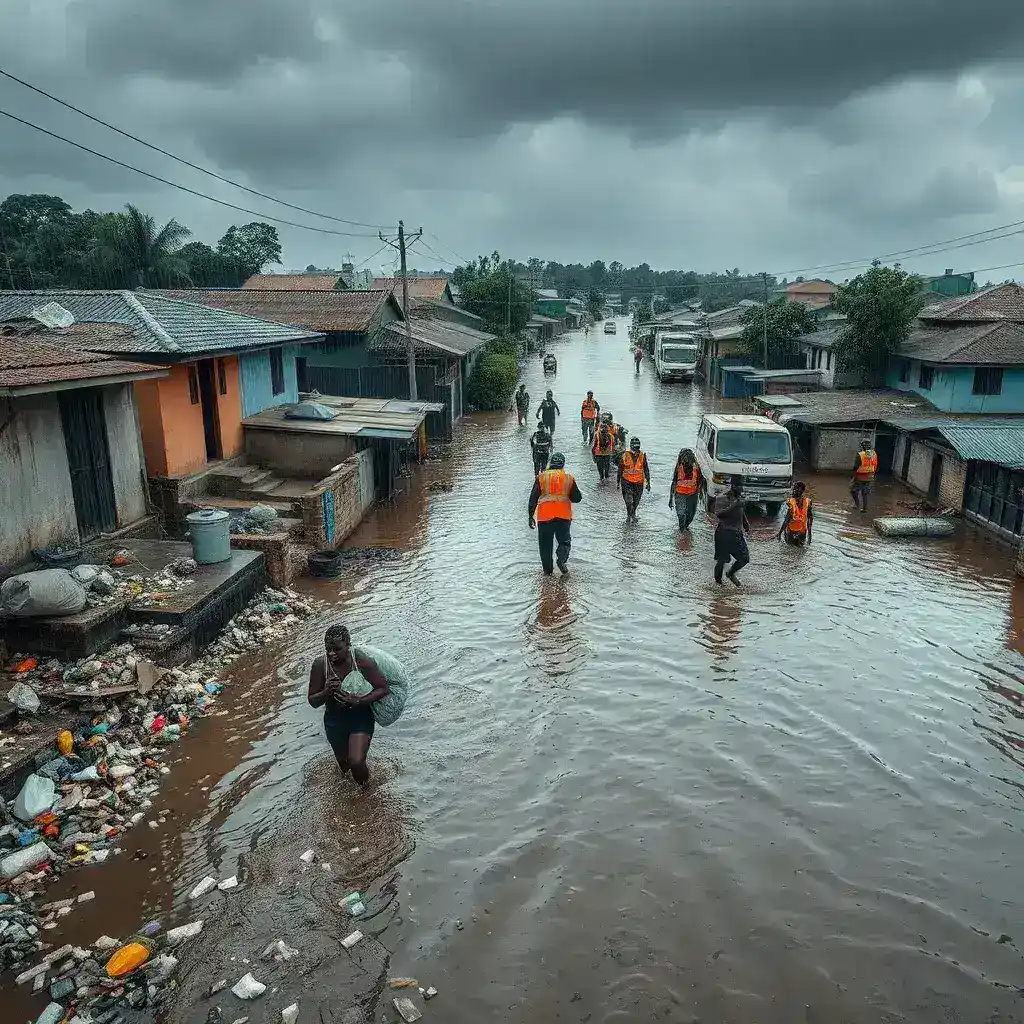
The Ministry of Works, Housing and Water Resources has initiated emergency flood response measures across Accra and other affected regions following recent heavy rains. Minister Kenneth Gilbert Adjei, in a press release dated Saturday, June 6, 2026, expressed sympathy to those impacted and identified human activities as the principal driver of the severe flooding, exacerbating the effects of rainfall.
Context of Persistent Flooding
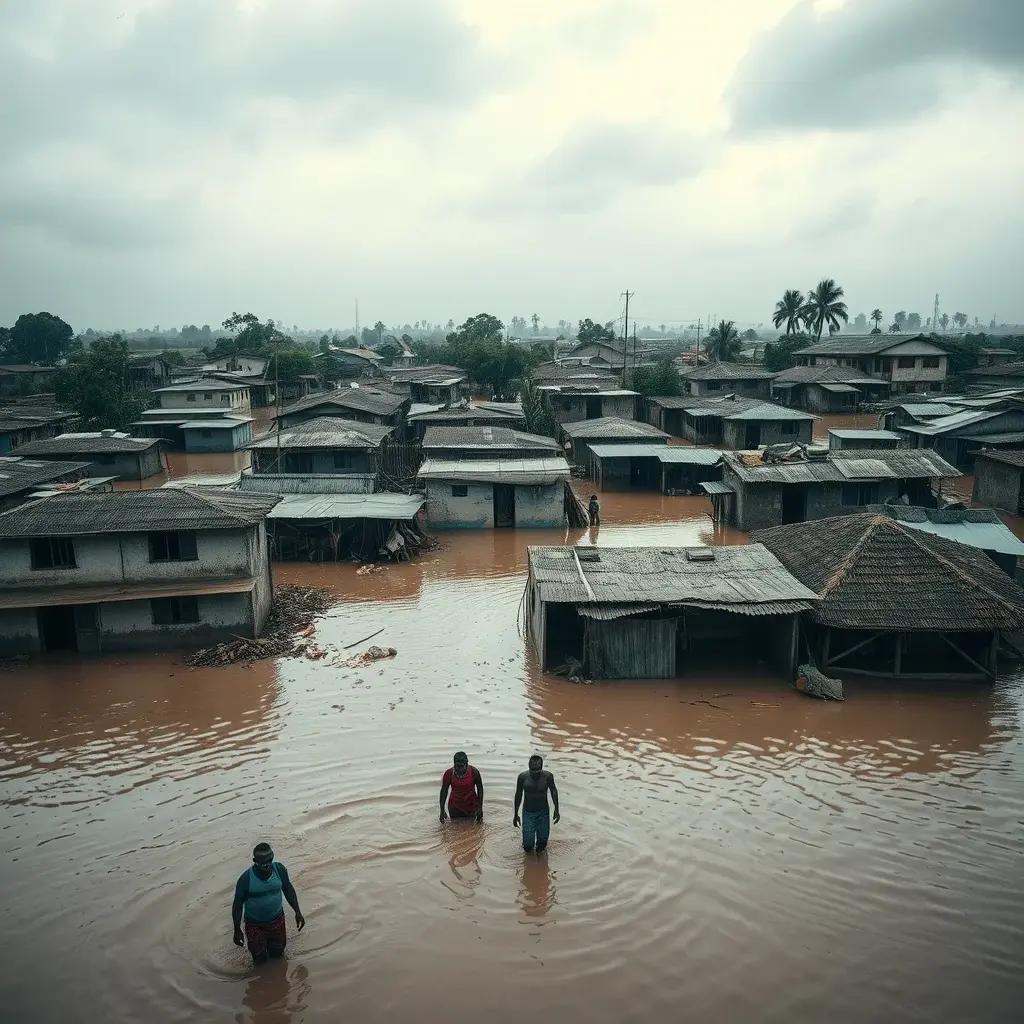
Accra has long grappled with recurrent flooding, particularly in low-lying areas like Odaw, Aboabo, and Lapaz. These communities are consistently inundated during the rainy season, leading to damage to homes, businesses, and vital public infrastructure.
Emergency Interventions and Response
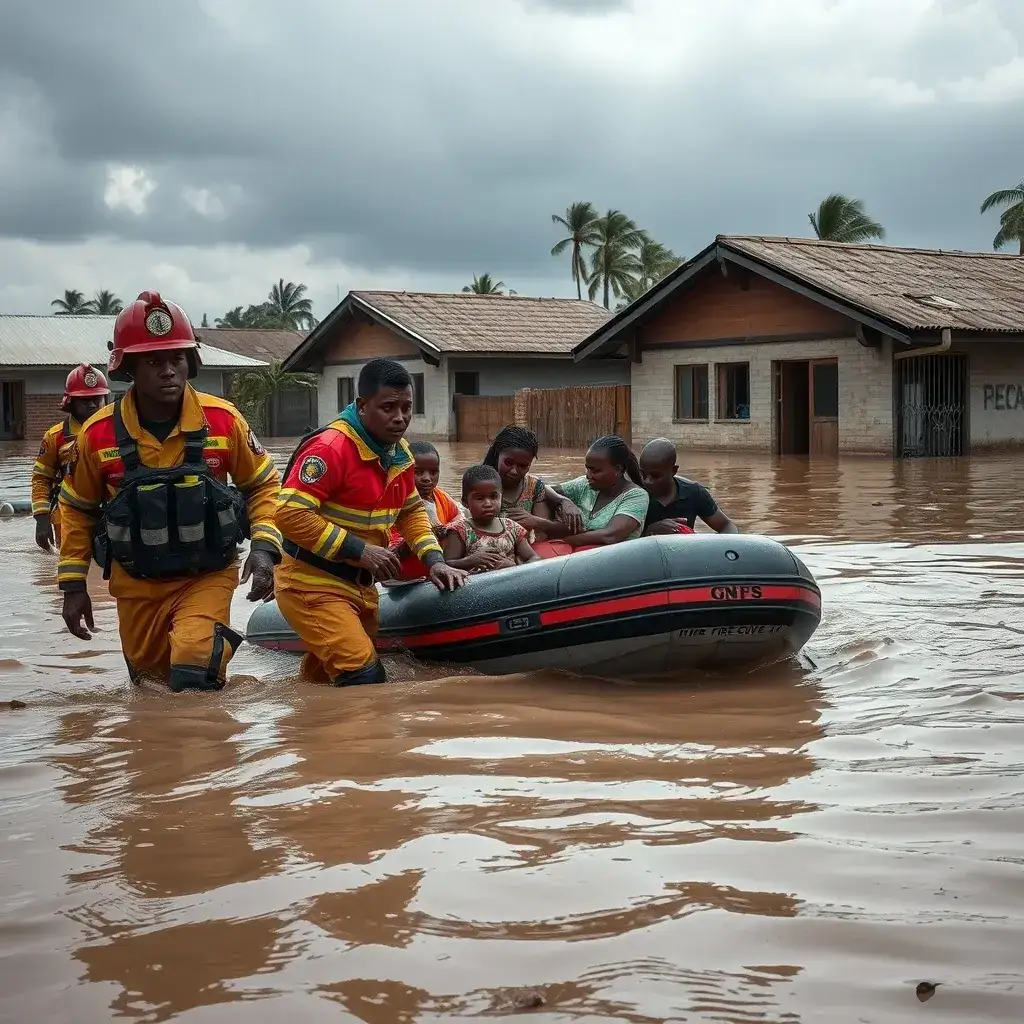
In response to the latest deluge, the Ministry, in conjunction with the Ghana Hydrological Authority, the National Disaster Management Organisation (NADMO), Metropolitan, Municipal and District Assemblies, and security services, has deployed emergency response teams. These teams are providing relief items to displaced households and assessing infrastructure damage.
Intensified desilting and drainage maintenance efforts are underway in critical flood zones. The Ministry’s statement underscored that the severity of the flooding is not solely attributable to rainfall but is significantly worsened by human actions.
Human Activities Fueling Floods
Key human-related factors contributing to the crisis include the indiscriminate dumping of waste into drains and waterways. Furthermore, unauthorized construction on waterways and wetlands, coupled with a general disregard for planning regulations, are cited as major culprits.
This perspective aligns with President John Dramani Mahama’s earlier remarks at a town hall meeting in London. He emphasized that Ghana’s flooding issues stem largely from a lack of discipline in human settlement and environmental management practices.
“Our cities do not lack laws or engineering expertise; what it lacks is the collective discipline and will of all key stakeholders to enforce laws that already exist,” the release quoted the Minister.
Long-Term Flood Management Strategy
Beyond immediate relief, the Ministry is pursuing a broader strategy to mitigate future flood risks. This includes accelerated clearing of major drains and rehabilitation of stormwater infrastructure.
Enforcement of development controls and the removal of structures obstructing waterways are also key components. The Ministry is also working to enhance early warning systems and emergency preparedness protocols.
Looking further ahead, a comprehensive flood management plan is being developed. This plan will involve significant investment in major drainage infrastructure and integrated urban planning.
Protection and restoration of wetlands and natural water retention areas are also priorities. Stricter enforcement of planning and environmental regulations will be paramount.
Shared Responsibility for Mitigation
The Ministry is appealing to all citizens to actively participate in flood mitigation efforts. This includes keeping drains clear of waste and refraining from construction on waterways.
Compliance with environmental and planning regulations is crucial. The Ministry stressed that flood mitigation is a shared responsibility involving the government, local authorities, traditional leaders, and the communities themselves.
Looking Ahead
The effectiveness of these immediate interventions and the long-term commitment to infrastructure development and regulatory enforcement will be critical in determining Accra’s resilience to future rainfall events. The success of these measures will depend heavily on sustained public cooperation and a strong political will to address the underlying causes of the persistent flooding crisis.






Leave a Reply