

Ghana has heightened surveillance and screening at its entry points following reports of confirmed Hantavirus infections among passengers on a cruise ship that docked in Cape Verde. Health authorities in Ghana are implementing precautionary measures, despite no Hantavirus cases being detected within the country, to prevent potential importation and spread of the virus.
Heightened Alert at Entry Points
The Ghana Health Service (GHS) has activated its emergency response systems, a critical step in ensuring the rapid detection and management of any suspected Hantavirus cases. This proactive stance comes after five passengers aboard a cruise ship tested positive for the virus, leading to three fatalities in Cape Verde.
Dr. Franklin Asiedu-Bekoe, Director of Public Health at the GHS, confirmed the activation of these systems in an interview with Citi FM. The move signifies a heightened state of alert aimed at safeguarding public health against the potential threat.
Testing and Treatment Capabilities
Ghana possesses the necessary infrastructure for diagnosing Hantavirus, a crucial element in its preparedness strategy. Both the Noguchi Memorial Institute for Medical Research and the Kumasi Centre for Collaborative Research have the capacity to analyze samples from potential infections.
Furthermore, specialized treatment centers have been designated to manage cases should any emerge within Ghana. This ensures that medical facilities are ready to provide care and contain any outbreaks effectively. Dr. Asiedu-Bekoe emphasized that these measures are in place to manage cases if they arise.
Public Awareness and Prevention
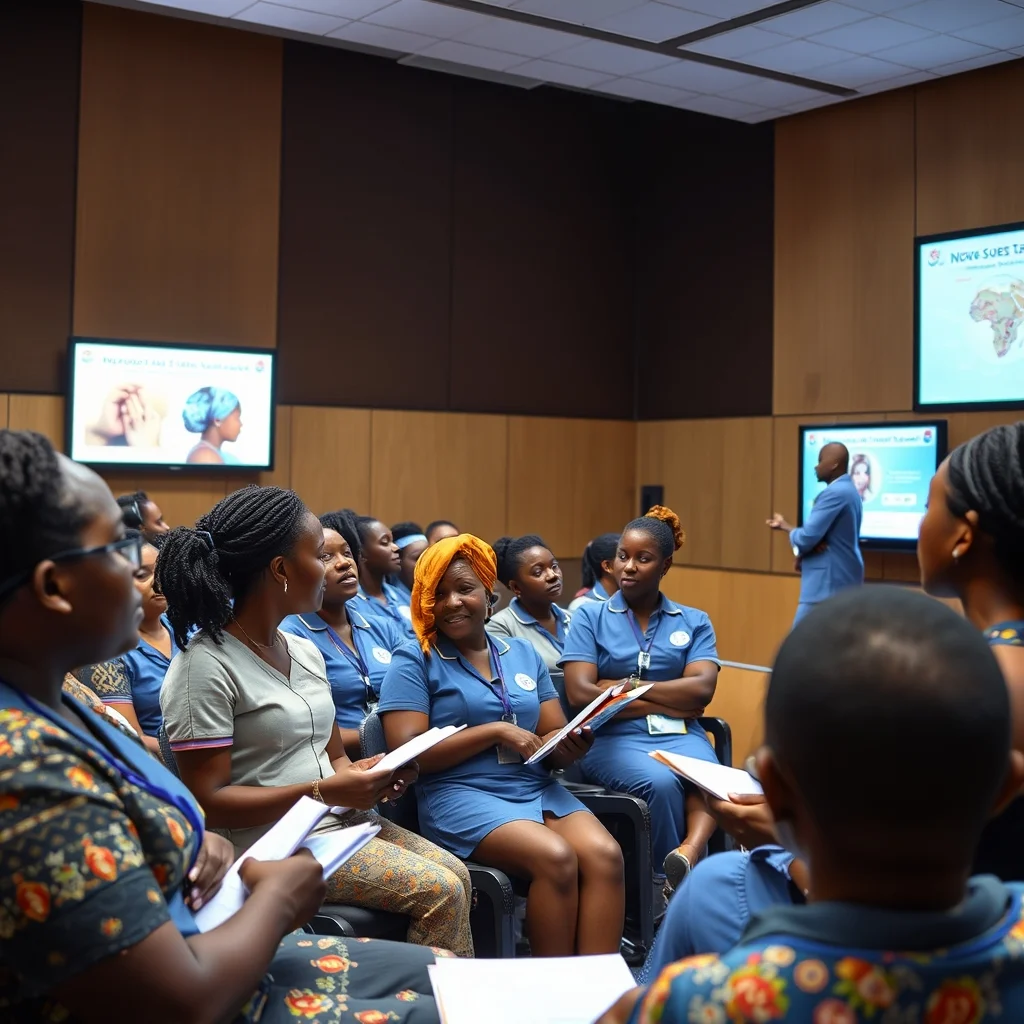
In parallel with surveillance and medical preparedness, Ghana is intensifying public awareness campaigns. These initiatives aim to educate citizens on how to prevent Hantavirus infection, which is primarily spread through contact with infected rodents or their droppings and urine.
Risk communication strategies are being deployed to inform the public about the virus, its transmission routes, and the importance of maintaining hygiene and avoiding rodent-infested areas. The GHS urges the public to remain calm while strictly adhering to health guidelines.
Understanding Hantavirus
Hantaviruses are a group of viruses spread mainly by rodents. While many Hantaviruses only cause mild illness in rodents, some can cause severe disease in humans. The disease, known as Hantavirus Pulmonary Syndrome (HPS) in the Americas and Hemorrhagic Fever with Renal Syndrome (HFRS) in Europe and Asia, can be life-threatening.
Symptoms typically appear one to eight weeks after exposure and can include fever, severe headache, muscle aches, dizziness, chills, and nausea. In severe cases, HPS can lead to difficulty breathing as fluid fills the lungs. Early diagnosis and treatment are vital for improving outcomes.
Regional Health Security
The situation underscores the interconnectedness of global health security. An outbreak in one region can quickly necessitate preparedness measures in neighboring countries and those with significant travel links.
Ghana’s swift response demonstrates a commitment to regional public health and proactive disease surveillance. By strengthening monitoring at ports and raising public awareness, the nation aims to mitigate the risk of importing and spreading the virus.
What to Watch Next
Moving forward, the effectiveness of Ghana’s enhanced surveillance and public communication strategies will be closely monitored. Attention will also be on the ongoing situation in Cape Verde and any further developments regarding Hantavirus cases. The GHS’s continued vigilance and the public’s adherence to preventive measures will be key in ensuring Ghana remains protected from the virus.









Leave a Reply