
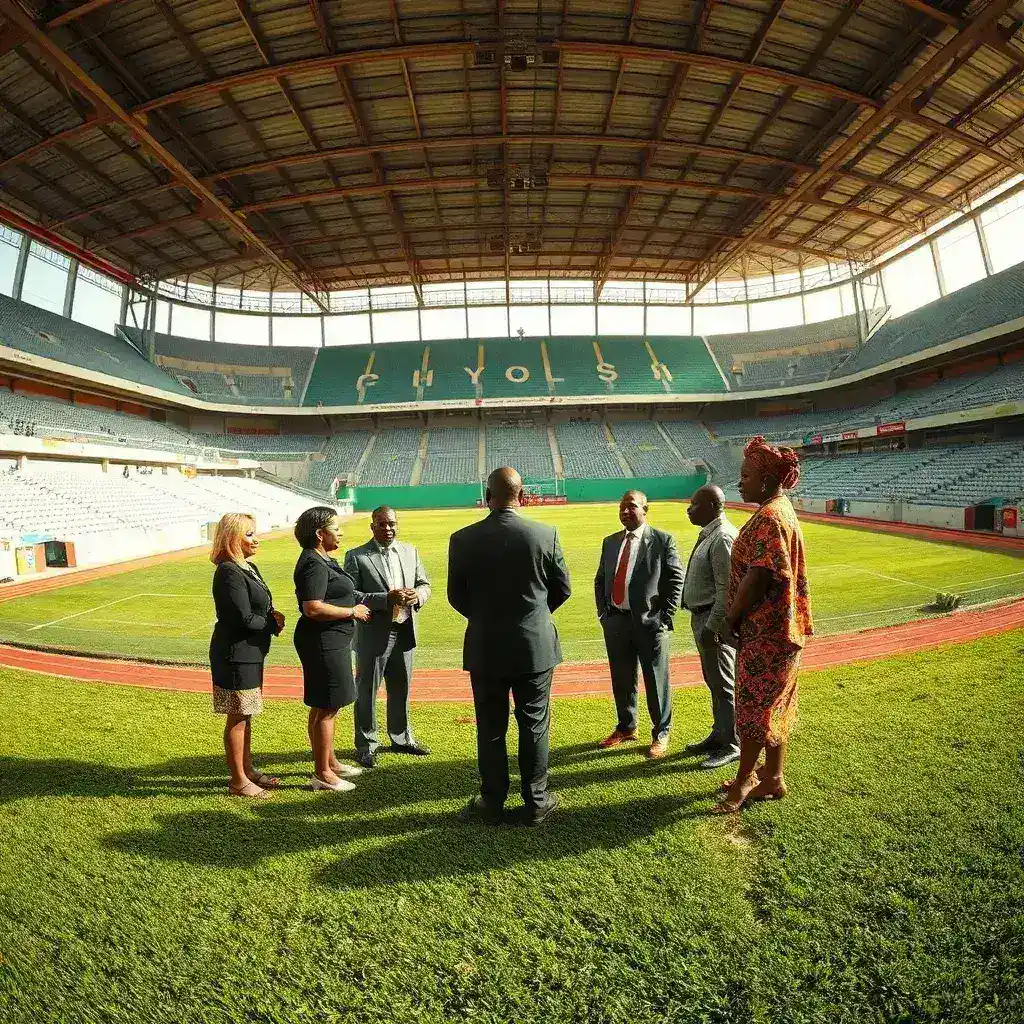
ACCRA, GHANA – The Ghana Sports Fund (GSF), led by Board Chairperson Prof. Anim-Wright Koryoe, Administrator Dr David Kofi Wuaku, and Deputy Administrator Lawyer Simon Appiah Junior, has intensified stakeholder engagement in the Ashanti Region. This initiative precedes a planned courtesy call on the Asantehene, Otumfuo Osei Tutu II, and underscores urgent calls for investment, rehabilitation, and sustainable funding for sports infrastructure across Ghana.
Focus on Deteriorating Facilities
A high-level delegation from the GSF conducted a working visit to the Baba Yara Sports Stadium. Discussions centered on the increasingly deteriorating state of sporting facilities nationwide.
The meetings also highlighted the critical need for robust, sustainable maintenance systems. Furthermore, there was a strong emphasis on fostering stronger collaboration among all stakeholders involved in the sports sector.
The overall objective is to reposition Ghana’s sports sector for enhanced growth and greater excellence.
Nationwide Consultation Initiative
This engagement is part of the GSF’s broader nationwide stakeholder consultation initiative. The fund aims to build strategic partnerships and mobilize essential support.
The initiative also seeks to promote sustainable financing models crucial for sports development and youth empowerment across the country.
Concerns Over Neglect and Financial Strain
Nana Gyaama Darkwa, the Ashanti Regional Director of Sports, voiced significant concerns regarding the widespread neglect of sports infrastructure. She noted that numerous facilities across Ghana have suffered from years of inadequate maintenance.
This neglect persists despite a growing demand for these facilities from athletes and various sporting groups. The pressure on existing venues continues to mount.
The Baba Yara Sports Stadium, in particular, faces persistent financial constraints. These limitations hinder the undertaking of major rehabilitation works necessary for its upkeep.
Management incurs substantial monthly operational costs. These include expenses for cleaning, facility monitoring, and essential utility maintenance.
However, the revenue generated from the stadium remains insufficient to cover these ongoing operational demands, creating a perpetual funding gap.
Infrastructure Deficiencies and Over-reliance
Compounding the problem, certain infrastructure within the stadium, such as escalators, has been non-functional for over a year. This malfunction disrupts normal operations and user experience.
The Ashanti Regional Director attributed the intense pressure on the Baba Yara Sports Stadium partly to a lack of adequate alternative standard sporting facilities in the region.
This deficiency forces most teams and sporting activities to rely almost exclusively on the Baba Yara Stadium for both training and competitive events.
Call for a Sinking Fund and Expanded Facilities
In response to these challenges, a call has been made for the establishment of a dedicated sinking fund. This fund would be specifically earmarked for the maintenance and rehabilitation of sports facilities nationwide.
Additionally, there is a pressing need for the expansion of existing infrastructure. This includes developing more basketball courts, tennis courts, and indoor sporting centers to diversify sporting options.
GSF’s Commitment and Vision
Lawyer Simon Appiah Junior, Deputy Administrator of the Ghana Sports Fund, reaffirmed the Fund’s unwavering commitment. The GSF is dedicated to mobilizing necessary resources and forging strategic partnerships to bolster sports development.
He emphasized the critical importance of fairness and professionalism in the advancement of sports. Decisions regarding athlete support, he stressed, must be guided by technical expertise and demonstrated merit.
Lawyer Appiah Junior further underscored the necessity of sustained collaboration among all stakeholders. This collective effort is vital for ensuring long-term, reliable funding for sports infrastructure, athlete development, and effective administration.
He urged stakeholders to maintain focus and resilience, acknowledging the inherent challenges within the sports sector. Meaningful transformation, he believes, can only be achieved through collective endeavor.
Engaging Traditional Leadership
The upcoming courtesy call on the Asantehene is poised to be a pivotal engagement. Discussions are expected to revolve around the GSF’s mandate, identifying opportunities for sports and youth development, and exploring the significant role traditional leadership can play.
The GSF intends to highlight how traditional authorities can champion the advancement of national sports infrastructure and contribute to its sustainability.
The Fund plans to replicate these engagements with other traditional authorities and key stakeholders across the country. This approach aims to build broad-based support essential for achieving sustainable sports development goals.










Leave a Reply