
Ghana’s government is developing a policy proposal that would require users to verify their identity with official identification before accessing pornographic websites. Minister for Communications, Digital Technology and Innovations, Samuel Nartey George, announced the initiative, stating its primary goal is to shield children from premature exposure to explicit online content. The proposal is slated for consideration by Ghana’s Cabinet.
Protecting Children from Online Exposure
The proposed policy, championed by Ningo-Prampram MP Samuel Nartey George, aims to implement age verification measures for adult websites. Users would likely need to present a driver’s licence or a national identification card to confirm they are of legal age.
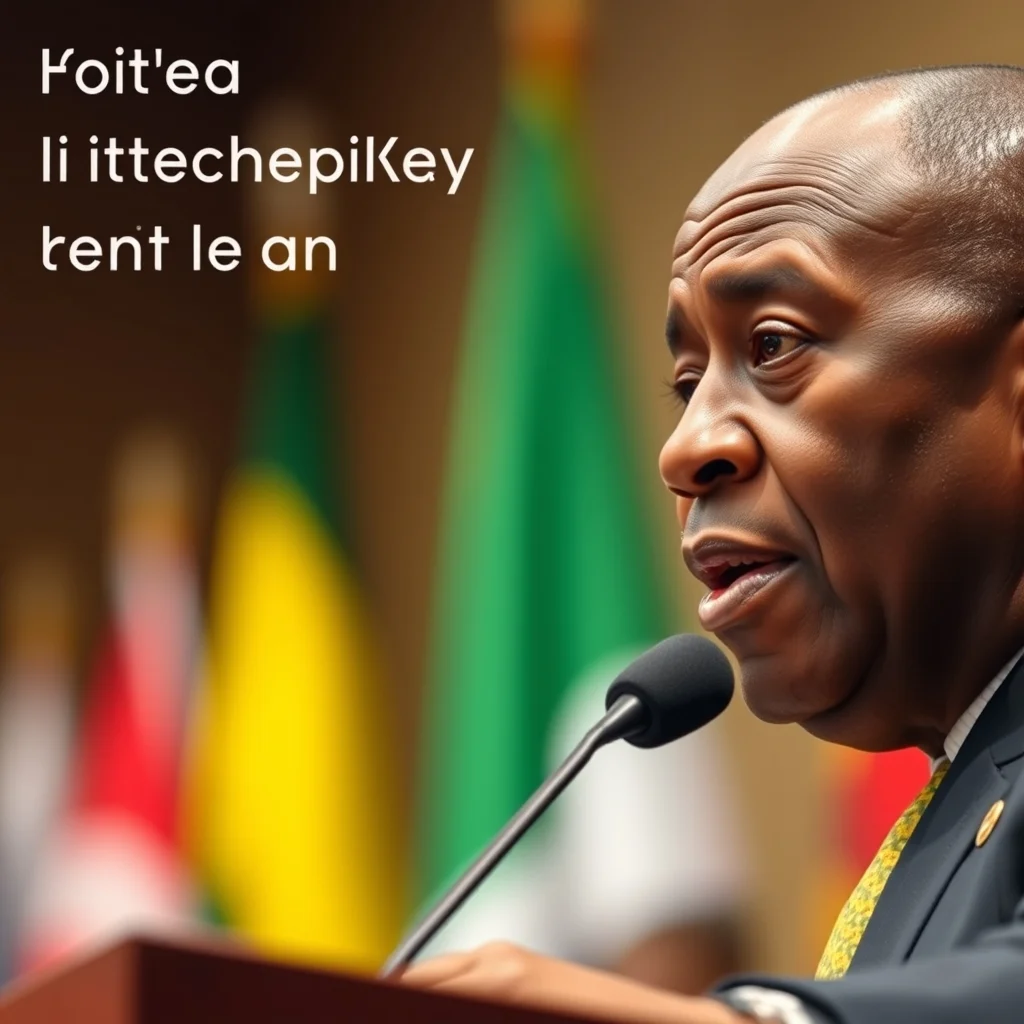
Minister George articulated the rationale behind this move during the 4th African Inter-Parliamentary Conference on Family, Sovereignty and Values. He emphasized that such a system would allow authorities to ascertain the identity of individuals accessing explicit material, thereby preventing minors from encountering it.
“We’re working with going to Cabinet on that to make sure that before you access any X-rated site, you must put either your driver’s licence or your national ID card, so that we know who you are and who is going to that site to prevent children from being exposed to such content,” George stated.
International Precedents and Concerns
The Ghanaian government is drawing inspiration from international efforts, particularly those in the United Kingdom. Minister George cited the UK’s existing measures, where users are reportedly required to verify their age, often through driver’s licence checks, before accessing adult websites.
George highlighted the potential negative impacts of early and unrestricted exposure to pornography on children’s development. He argued that such exposure can adversely affect their cognitive processes, moral compass, values, and decision-making abilities.
“This is the real threat. Because when a child is oversexualised at an early age, it affects their development, it affects their thinking, it affects even their morality and their values and their standards,” he explained.
Broader Context of Values and Legislation
The proposal is situated within a larger discourse on safeguarding children and preserving what are described as traditional African family values. Minister George reiterated his support for the Human Sexual Rights and Family Values Bill, commonly referred to as the anti-LGBTQ+ Bill.
He presented the protection of children as a central tenet of this bill, stating, “When my colleagues and I in Ghana introduced the Family Values Bill, one of our key arguments has been that we’re fighting for the innocence of Ghanaian children because our children must be protected.”
George stressed Ghana’s commitment to upholding cultural and familial values for subsequent generations. The government views this initiative as a crucial step in ensuring the moral and developmental well-being of its youth in the digital age.
Implications and Future Watch
If implemented, this policy could significantly alter how Ghanaians access online adult content, introducing a new layer of digital gatekeeping. The success of such a system would depend on the technological feasibility, user adoption, and the robustness of the verification process. Privacy concerns regarding the collection and storage of identification data will likely be a critical point of discussion. Furthermore, the effectiveness of such measures in truly preventing access by minors, given the evolving landscape of online circumvention tools, remains to be seen. The government’s next steps will involve presenting the proposal to Cabinet and potentially engaging in public consultations to refine the policy before its potential enactment.










Leave a Reply