
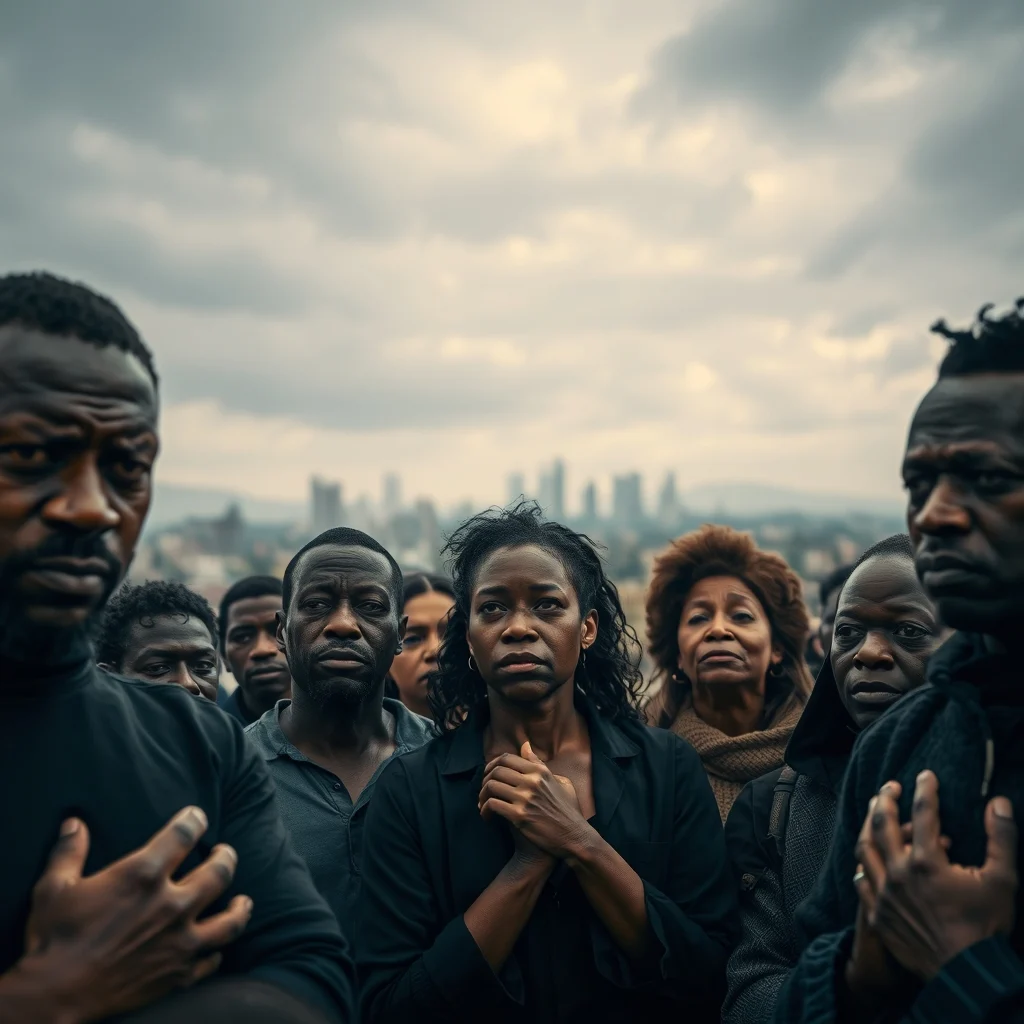
Ghana’s Minister for Foreign Affairs, Samuel Okudzeto Ablakwa, has defended the government’s prompt action to protect Ghanaian citizens amidst escalating xenophobic attacks in South Africa. Speaking on Facebook, Ablakwa stated that recent reports of fatalities, including five Mozambican nationals, vindicate the administration’s decision to act decisively and swiftly to safeguard its citizens abroad.
Context of the Attacks
The current wave of xenophobic violence in South Africa has targeted foreign nationals, particularly those from other African countries. These attacks, which have occurred in various communities, often involve looting of foreign-owned businesses and physical assaults. The violence has raised concerns across the continent about the safety of migrants and the broader implications for African unity.
Government’s Rationale for Swift Intervention
Minister Ablakwa’s statement directly addresses criticisms that Ghana’s government may have overreacted by initiating protective measures early on. He argued that the confirmation of deaths among foreign nationals, as reported by the Mozambican government, highlights the severity of the situation. The Mahama administration, he emphasized, prioritizes the safety and welfare of Ghanaians, stating, “The Mahama Administration does not gamble with the precious lives of Ghanaians.”
Ghana conveyed its condolences to Mozambique for the loss of its citizens, with Ablakwa condemning the violence as contrary to the core ideals of African unity and integration. He lamented the tragic irony of Africans being killed by fellow Africans on African soil.
Broader Implications for African Integration
The minister’s remarks also touch upon the potential impact of such xenophobic incidents on the continent’s integration agenda. He urged African nations not to let these condemnable acts derail efforts towards Pan-Africanism, free movement, common markets, and increased intra-African trade, concepts championed by Ghana’s first president, Osagyefo Dr. Kwame Nkrumah. The sentiment underscores a deep-seated concern that inter-African hostility could undermine decades of work towards continental solidarity and economic cooperation.
Expert and Political Reactions
While Minister Ablakwa defended the government’s proactive stance, other political figures have offered differing views. Reports indicate that Julius Malema, a prominent South African politician, suggested that Ghana’s response was “not necessary,” implying a different perspective on the urgency or nature of the intervention required. Such varying viewpoints highlight the complex geopolitical dynamics and differing national interests at play when addressing cross-border crises.
Data and International Concern
The confirmation of fatalities, such as the five Mozambicans, serves as a stark indicator of the escalating danger. While specific numbers of Ghanaian nationals affected by the violence have not been detailed in this context, the government’s preemptive actions are framed as a response to the known risks faced by all foreign nationals in affected areas. International bodies and neighboring countries often monitor such events closely due to their potential to destabilize regions and impact diplomatic relations.
What to Watch Next
Moving forward, attention will likely remain on the South African government’s efforts to contain and prevent further xenophobic violence, as well as its response to the international outcry. The effectiveness of diplomatic channels between Ghana and South Africa, and among other affected African nations, will be crucial. Furthermore, the long-term impact on intra-African trade and the broader integration agenda will depend on sustained efforts to address the root causes of xenophobia and ensure the safety of all African citizens across the continent.










Leave a Reply