
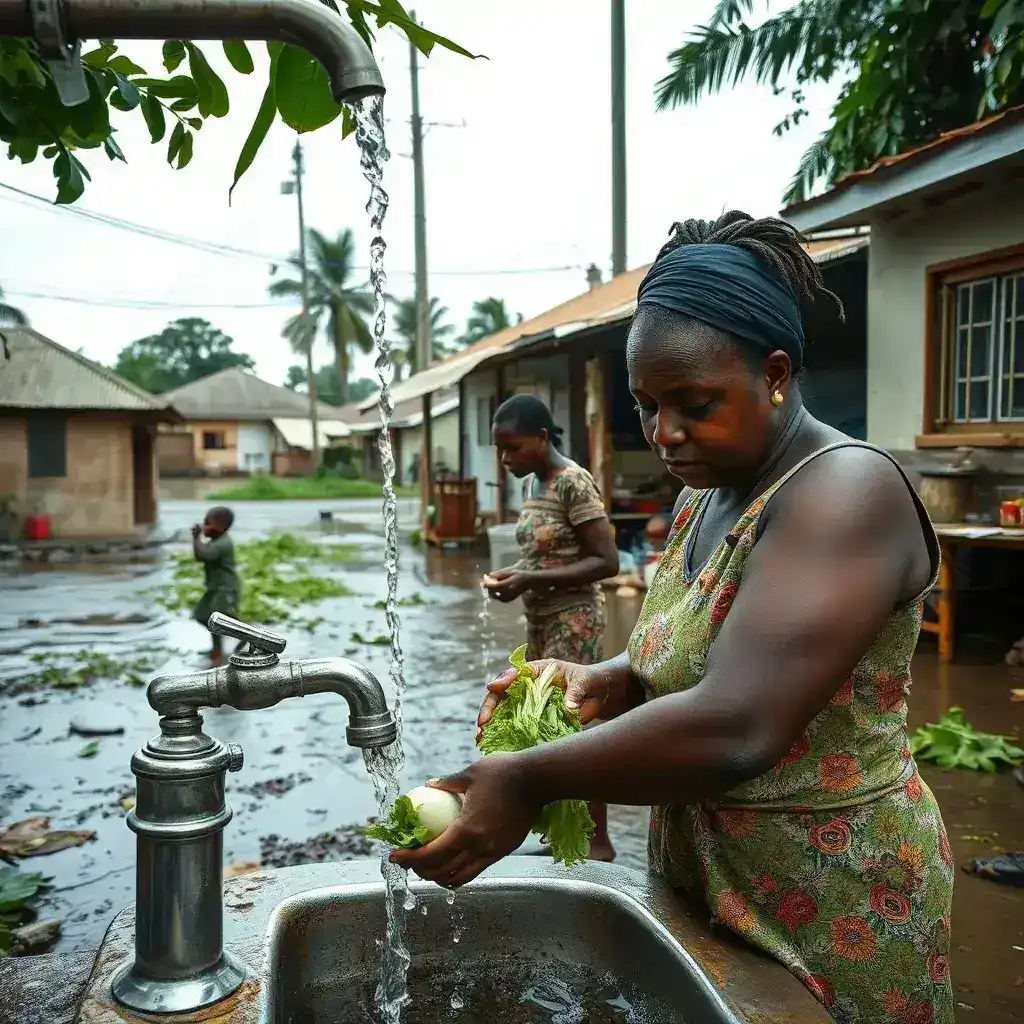
The Ghana Health Service (GHS) has issued a stern warning to the public to adopt preventive measures against waterborne and mosquito-borne diseases as the country officially enters its rainy season. This advisory comes as the transition from dry spells to increased rainfall heightens the risk of outbreaks, including cholera, typhoid fever, dysentery, malaria, yellow fever, and dengue fever.
Increased Risk Factors During Rainy Season
According to a statement released on Friday and signed by Professor Samuel Kaba Akoriyea, the Director-General of GHS, the combination of heavy rains and often inadequate sanitation conditions creates a perfect storm for disease transmission. Flooding during this period can contaminate vital water sources with faecal matter, significantly increasing the spread of waterborne infections.
The statement further highlighted that the stagnant water accumulating in discarded containers, old tires, and various waste materials becomes an ideal breeding ground for mosquitoes. This proliferation of mosquitoes directly elevates the risk of contracting diseases such as malaria, yellow fever, and dengue fever.
Food Safety and Waterborne Pathogens
Beyond water contamination, the GHS also cautioned the public about the risks associated with consuming produce. Vegetables cultivated near water bodies are susceptible to contamination during the rainy season. The GHS strongly advises thorough washing of all fruits and vegetables with clean water, ideally with salt or vinegar, before consumption to mitigate this risk.
To combat these health threats, the Service urged the public to maintain clean surroundings and eliminate potential breeding sites for mosquitoes by removing containers that can collect stagnant water. Additionally, citizens are encouraged to purchase food only from hygienic and reputable vendors, ensuring a higher standard of food safety.
Hygiene and Vendor Responsibilities
Personal hygiene remains a critical defense. The GHS emphasized the importance of regular handwashing with soap under running water, especially after using the toilet and before handling food. Residents experiencing any symptoms of illness are strongly advised to seek immediate medical attention.
Specific directives were issued to food vendors. They are required to source their food items from approved suppliers and adhere to strict food safety practices during preparation and storage. A key instruction is to maintain a clear separation between raw foods and cooked or ready-to-eat meals to prevent cross-contamination.
Furthermore, food handlers must ensure their health certificates are current and valid, demonstrating their fitness to prepare and serve food to the public.
Reptile Encounters and Preparedness
The rainy season also brings an increased risk of unexpected encounters with wildlife. The GHS warned that flooding can force reptiles and other harmful animals out of their natural habitats, leading to increased contact with humans. Residents are advised to keep doors and windows closed when possible and to clear bushes around their homes to minimize hiding places for these creatures.
Raising belongings off the floor is another recommended measure to further reduce potential contact with unwelcome visitors. The Ministry of Health and the Ghana Health Service have reiterated their commitment to safeguarding public health and have called for full public cooperation in preventing disease outbreaks throughout the challenging rainy season.
Looking Ahead: Sustained Vigilance
As the rains continue, the focus will remain on public adherence to these preventative measures. The effectiveness of these guidelines in curbing disease outbreaks will be closely monitored by health authorities. The GHS will likely continue to provide public health advisories and may implement targeted interventions in areas identified as high-risk zones. Continued community engagement and education will be crucial in ensuring sustained vigilance against preventable diseases throughout the season and beyond.










Leave a Reply