
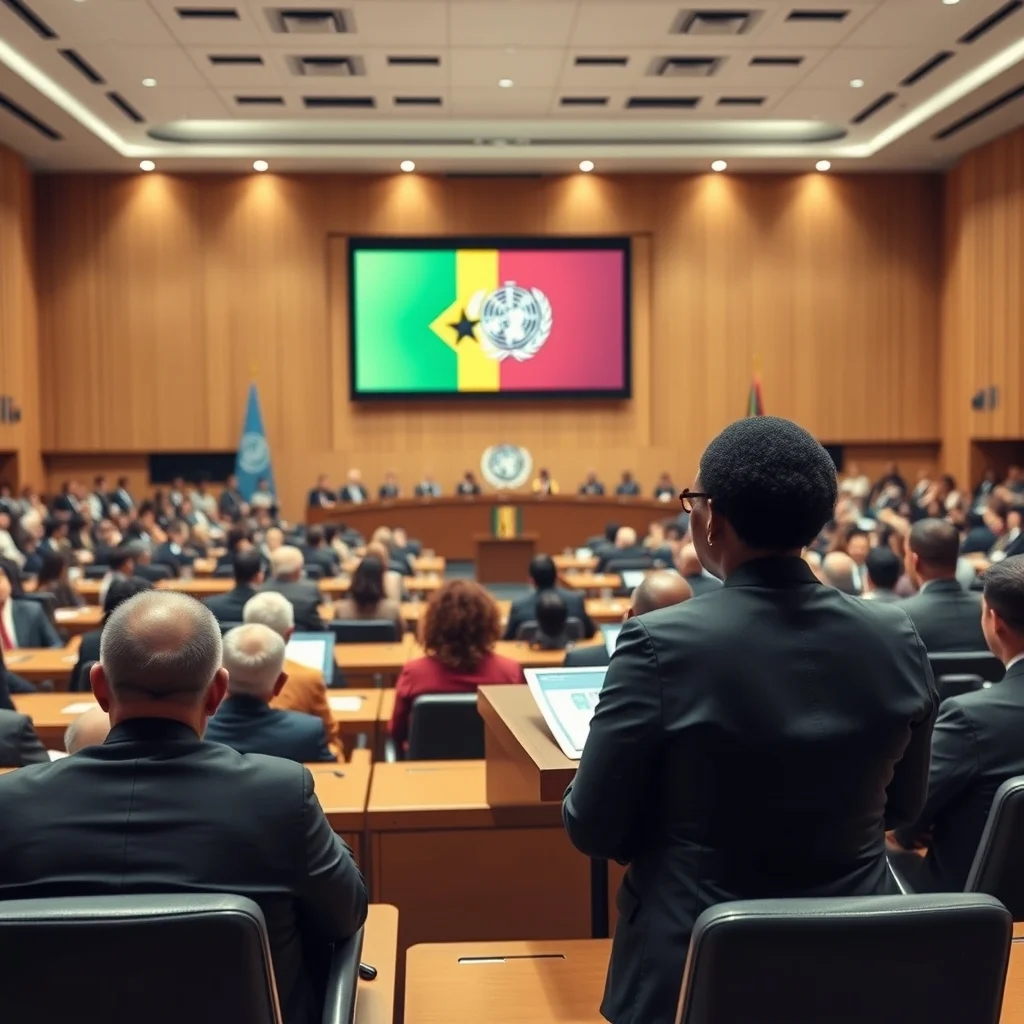
Ghana has actively participated in the 17th Session of the United Nations Convention Against Corruption (UNCAC) in Vienna, Austria, led by Nana Oye Bampoe Addo. The nation used this global platform to reaffirm its commitment to enhancing transparency, accountability, and ethical governance, presenting its latest anti-corruption initiatives to international delegates.
Ghana’s Commitment to Combating Corruption
The Ghanaian delegation, which included key figures like Presidential Advisor on the Anti-Corruption Programme Francis Dodoo and Commissioner of the Commission on Human Rights and Administrative Justice Joseph Whittal, delivered a national statement outlining the government’s robust anti-corruption efforts. These initiatives are being pursued under the administration of President John Dramani Mahama.
Nana Oye Bampoe Addo highlighted the progress of the government’s Operation Recover All Loot (ORAL) initiative. This program aims to retrieve assets illicitly acquired through corrupt practices, demonstrating a direct approach to combating financial corruption.
Strengthening the Anti-Corruption Framework
Ghana is implementing several interventions designed to fortify its anti-corruption framework. These strategies focus on broad engagement, including youth participation, fostering collaboration among institutions, and enhancing overall capacity in anti-corruption efforts.
Specific programs mentioned include the ‘Youth Against Corruption’ initiative spearheaded by the Office of the Special Prosecutor. The establishment and activities of ‘Corruption Education Clubs’ further aim to instill ethical values from a young age.
The delegation also emphasized ongoing investments in critical areas. These include research to understand corruption patterns, development of robust data systems for better tracking and analysis, strengthening the operational capacity of anti-corruption bodies, and fostering international cooperation to share best practices and intelligence.
Global Challenges and Collaboration
Acknowledging the increasing complexity and global nature of corruption, Nana Oye Bampoe Addo underscored the critical need for sustained collaboration. This partnership extends beyond governmental bodies to include non-governmental institutions and active citizen participation.
The UNCAC session served as a crucial forum for member states, governance experts, anti-corruption institutions, and policymakers to review collective progress and deepen international cooperation. Ghana’s presence underscored its dedication to promoting ethical governance and strengthening public accountability on the international stage.
National Ethics and Anti-Corruption Action Plan
A significant announcement from Ghana’s delegation was the completion of the National Ethics and Anti-Corruption Action Plan (NEACAP 2026–2030). This comprehensive plan represents a renewed national strategy aimed at bolstering integrity and accountability systems across the country.
Described as a rejuvenated framework, NEACAP 2026–2030 is poised to provide a clear roadmap for anti-corruption efforts over the next several years. The document is slated for submission to Ghana’s Cabinet for final approval in the near future.
Future Outlook
Ghana’s proactive stance at the UNCAC convention signals a determined effort to leverage international partnerships and implement strategic national plans. The success of NEACAP 2026–2030 and initiatives like ORAL will be crucial in shaping the country’s trajectory towards greater transparency and reduced corruption. Observers will be watching closely for the implementation details and the tangible impact of these programs on public trust and governance effectiveness.










Leave a Reply