
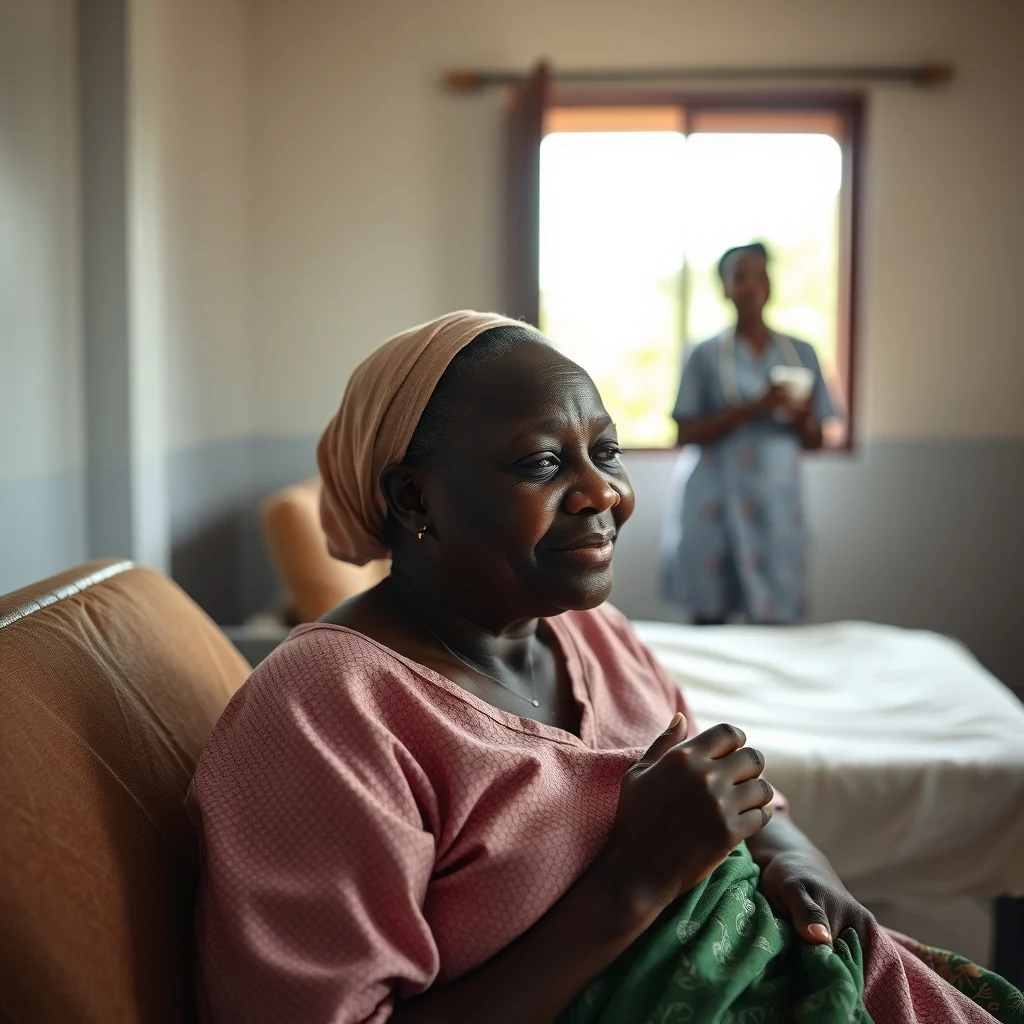
Accra, Ghana – Fewer than one in three women in Ghana suffering from obstetric fistula over the past decade have received life-altering reparative surgery, according to stark new health data. Between 2016 and 2025, health facilities recorded 3,688 cases of this debilitating childbirth injury, yet only 1,096 women underwent surgical repair, highlighting a critical gap in maternal healthcare access and treatment.
Understanding Obstetric Fistula
Obstetric fistula is a severe and preventable childbirth-related injury. It occurs when prolonged, obstructed labor without timely medical intervention causes a hole to develop between the birth canal and the bladder or rectum. This leads to continuous, involuntary leakage of urine or feces.
The condition often results in devastating consequences for affected women, including severe stigma, social isolation, and profound physical and psychological distress. It disproportionately affects women in regions with limited access to emergency obstetric care.
A Deepening Treatment Gap
The significant disparity between recorded cases and surgical repairs has prompted a renewed, collaborative effort involving the Ministry of Health, Parliament, and the United Nations Population Fund (UNFPA). All parties acknowledge obstetric fistula as a preventable tragedy directly linked to inadequate access to emergency obstetric care.
Dr. Wilfred Ochan, UNFPA Country Representative for Ghana, stated that recent estimates indicate obstetric fistula remains a substantial public health challenge despite ongoing interventions. A study conducted in early 2025 suggests that between 700 and 1,300 women develop the condition annually in Ghana, averaging around 845 new cases each year.
While progress has been made in treatment capacity, Dr. Ochan emphasized that a significant backlog of untreated cases continues to strain the health system. He underscored the necessity for sustained and intensified interventions to address this backlog and prevent new cases.
Beyond Treatment: A Holistic Approach
UNFPA’s involvement extends beyond surgical repair. The organization is focused on strengthening broader care systems and providing crucial support to health workers involved in the rehabilitation of fistula survivors. “For UNFPA, we came for two reasons: to empathize with the survivors and to encourage the caregivers for the important role they play in restoring dignity, giving hope, and opening new opportunities for these women who have been neglected,” Dr. Ochan remarked.
Strategic Initiatives for Enhanced Care
In response to the crisis, the Deputy Minister of Health, Dr. Grace Ayensu-Danquah, announced plans to establish dedicated, standalone obstetric fistula treatment centers across Ghana. These centers aim to provide comprehensive care under one roof, addressing the current fragmented system that hinders access, particularly for vulnerable patients.
“So I realised that the walkthrough is not very smooth. So imagine us, who are healthy, walking through all these spaces to get a specific kind of treatment, and now transpose that to somebody who’s not healthy. It’s going to be very difficult,” Dr. Ayensu-Danquah explained, highlighting the logistical challenges faced by patients.
Discussions are underway with UNFPA to replicate the successful Yendi model, which features a standalone center with dedicated pre-operative, post-operative, and accommodation facilities. The Ministry of Health intends to propose similar centers nationwide to bolster specialized care delivery.
Further efforts are being made to train more healthcare workers, upgrade medical equipment, and expand specialist capacity to improve fistula repair services throughout the country. The Ministry expressed optimism that, in collaboration with UNFPA and Komfo Anokye Teaching Hospital, Ghana could establish a center of excellence for fistula treatment in the near future.
Parliamentary Backing for Elimination Goals
Adding a crucial legislative dimension, the Parliamentary Caucus on Population and Development, led by Patricia Appiagyei, and the Parliamentary Select Committee on Health, chaired by Dr. Mark Kurt Nawaane, have pledged strong parliamentary support for intensified action against obstetric fistula.
Patricia Appiagyei stressed the urgency of meeting the 2030 elimination target, noting that current timelines require accelerated policy action. “The dates are very short. We are talking about 2030. I believe with some acceleration in the policies or interventions that we will churn out there will help,” she stated.
Lawmakers are also advocating for the establishment of a dedicated national unit to coordinate efforts on obstetric fistula. They argue that a more centralized approach would significantly improve efficiency and accelerate progress toward the ultimate goal of eliminating the condition.
Looking Ahead: Sustained Efforts and Policy Acceleration
The renewed commitment from the Ministry of Health, Parliament, and UNFPA signals a critical juncture in Ghana’s fight against obstetric fistula. The strategic focus on establishing integrated treatment centers, enhancing healthcare worker capacity, and coordinating national efforts holds promise for reducing the backlog and preventing new cases. The coming years will be crucial in observing whether these accelerated policy actions and infrastructural improvements can meet the ambitious 2030 elimination target and bring an end to this preventable tragedy.










Leave a Reply