
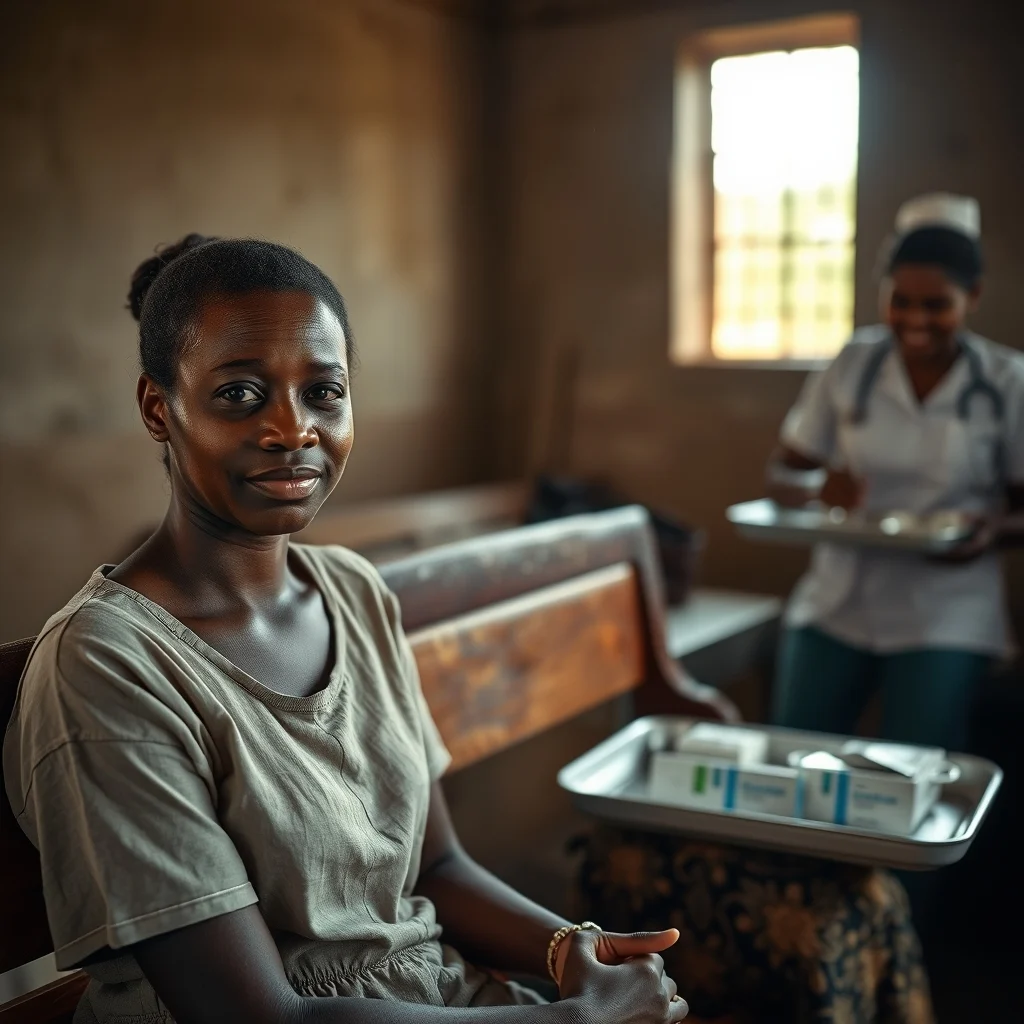
In Ghana, efforts to combat obstetric fistula have seen a threefold increase in surgical repairs, with over 200 cases addressed in 2025, a significant leap from previous years. However, to eliminate this devastating childbirth injury by 2030, Ghana must repair an estimated 2,249 cases annually, highlighting a substantial unmet need, according to data from the UNFPA and its partners. This progress, while encouraging, underscores the persistent challenges in maternal healthcare access, particularly for vulnerable women.
Context: The Devastation of Obstetric Fistula
Obstetric fistula is a severe and preventable injury resulting from prolonged, obstructed labor, typically when a woman cannot access timely emergency obstetric care. This condition creates a hole between the birth canal and the bladder or rectum, leading to the continuous leakage of urine or feces.
The consequences are profound, often causing chronic infections, infertility, depression, and severe social isolation, frequently leading to the breakdown of marriages and loss of livelihoods. Despite being entirely treatable with a procedure that takes less than two hours, fewer than 30 percent of affected women in Ghana receive the necessary surgical repair.
The persistence of fistula in Ghana reflects deep-seated inequalities in maternal healthcare. Factors such as poverty, child marriage, adolescent pregnancy, and weak referral systems disproportionately affect women in rural and underserved areas, increasing their risk.
Progress and Persistent Challenges
Through the Partnership to End Obstetric Fistula in Ghana (PEFIG), a collaborative initiative involving the Government of Ghana, UNFPA, and various private sector and non-profit partners, annual repairs have surged from approximately 60 cases to over 200 in 2025.
Nine health facilities now offer routine repair services. Aggressive community mobilization efforts have identified over 500 women previously unable to access care. Furthermore, USD 800,000 in financial and in-kind contributions have been leveraged to fund repairs, support survivor reintegration, and establish Ghana’s first dedicated fistula holding home in the Yendi District Hospital.
The Yendi holding home provides crucial safe accommodation, counseling, and pre- and post-operative support for survivors, marking a key milestone in comprehensive care. This progress is a testament to the collaboration between the Ministry of Health, Ghana Health Service, Ministry of Finance, UNFPA, and partners like Qatar Charity Organisation, Fidelity Bank Ghana, Access Bank Ghana, and AT Ghana.
Expert Perspectives and Data
Dr. David Wilfred Ochan, UNFPA Ghana Country Representative, stated, “In 2025, Ghana repaired more than 200 fistula cases. That is triple what we were doing before PEFIG. The gap between what we can do and what we are doing is still measured in hundreds of women.”
He emphasized, “Ghana has the surgeons, the facilities, the partners, and the data. What is required now is the political will to treat this as the national emergency it is.”
Data from the 2025 Obstetric Fistula Burden Study indicates an estimated backlog of 7,130 cases from 2015. To meet the 2030 elimination target, an annual repair rate of 2,249 is necessary. While progress is evident, the current repair rate at the nine facilities is insufficient to close this gap.
Broader Implications for Maternal Health and Human Rights
Ending obstetric fistula extends beyond surgical intervention. It requires a multi-faceted approach that includes strengthening emergency obstetric care, ensuring skilled birth attendants are present at every delivery, and addressing root causes such as child marriage and adolescent pregnancy.
Survivors need comprehensive support, including psychosocial, legal, and economic assistance to facilitate their reintegration into communities. Obstetric fistula is recognized not only as a health issue but also as a violation of human rights, denying women dignity and freedom from preventable suffering.
Looking Ahead: The Call to Action
UNFPA Ghana is urging Parliament to pass a resolution to eradicate fistula promptly. The organization is seeking seven new corporate partners for PEFIG in 2026, with a financial mobilization target of GHC 200,000 to expand access and survivor reintegration services.
A call has been issued for the private sector to join PEFIG, for the media to amplify survivors’ voices, and for all Ghanaian institutions to embrace fistula eradication as a shared national responsibility. Faith and traditional leaders are also crucial in identifying and referring survivors for repair services and in protecting girls by preventing child marriage.
The urgency is clear: the women awaiting repair cannot wait any longer. The focus now shifts to sustained investment, expanded surgical capacity, and a health system that ensures no woman is left behind, particularly those in northern Ghana who bear the heaviest burden and face the weakest access to care. Future efforts will need to accelerate the repair rate significantly while simultaneously addressing the underlying social and systemic factors contributing to this preventable tragedy.










Leave a Reply