

Dr. Evans Kwasi Arizi, a Senior Lecturer at the University of Cape Coast’s Department of Fisheries and Aquatic Sciences, is calling for enhanced collaboration and increased financial investment to effectively manage Ghana’s recently established Marine Protected Area (MPA). The remarks were made during a National Workshop on Marine Protected Areas and Data Collection for Marine Spatial Planning held in Aburi, Eastern Region.
Dr. Arizi, who also chairs the Technical Advisory Committee on Marine Protected Areas in Ghana, expressed concern that without robust management and sustained support, the MPA could become a mere “paper park.” He emphasized that while Ghana has successfully created its first MPA, the critical challenge now lies in ensuring its effective implementation, monitoring, and long-term viability.
Context: The Need for Marine Protection
Marine Protected Areas are designated zones where human activities are regulated to conserve marine ecosystems, biodiversity, and fish stocks. Globally, MPAs are recognized as crucial tools for fisheries management, contributing to the recovery of depleted fish populations and the overall health of marine environments. Ghana’s establishment of its first MPA marks a significant step towards adopting these conservation strategies.
However, the success of any MPA hinges on adequate resources for enforcement, monitoring, research, and community engagement. In many developing nations, including those in the West African sub-region, these requirements present considerable logistical and financial hurdles.
Strengthening Management and Funding
Dr. Arizi highlighted that managing MPAs in West Africa is inherently difficult and costly, underscoring the necessity of broad collaboration. This collaboration must involve government institutions, international development partners, academic researchers, and other key stakeholders to pool resources and expertise.
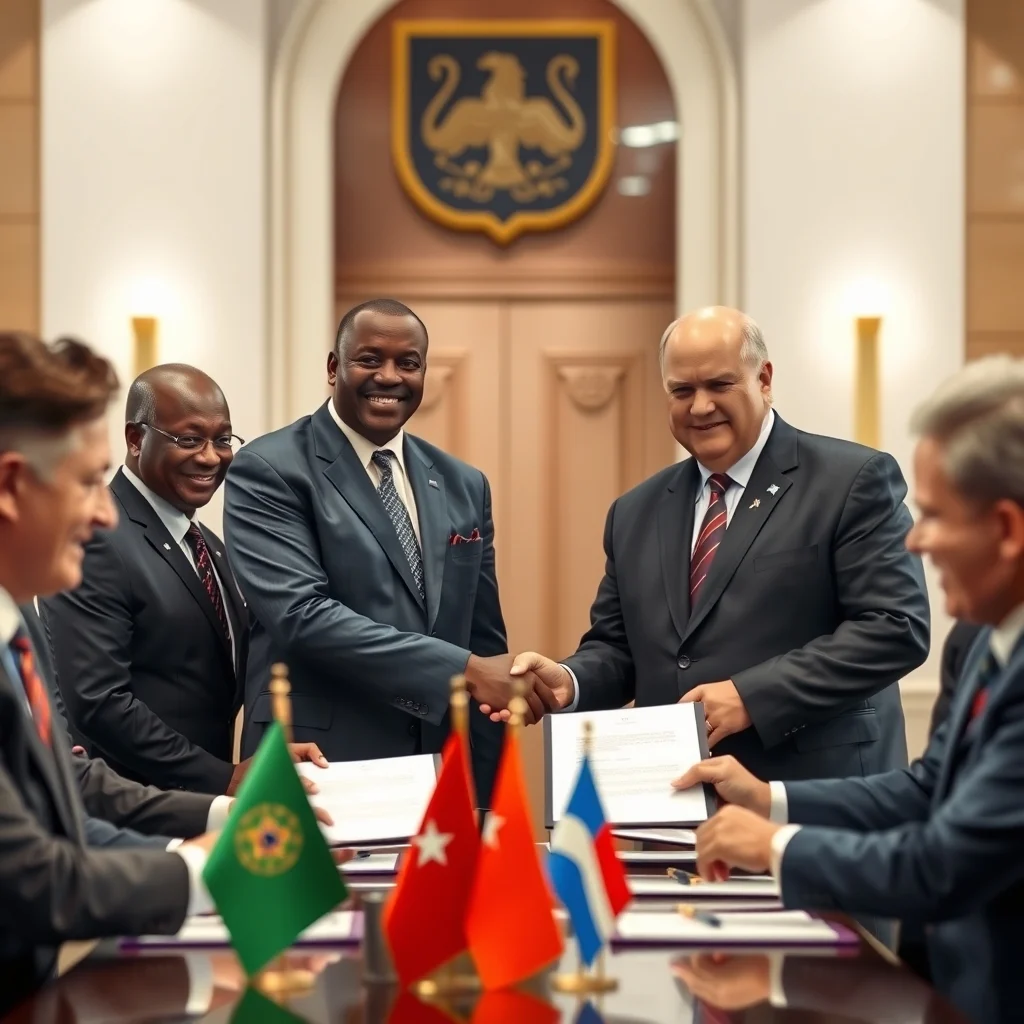
The recent workshop aimed to address these management challenges. Participants reviewed and refined an existing roadmap for the MPA system, developed by the Technical Advisory Group on Marine Protected Areas. A significant outcome of the workshop was the quantification of key management and monitoring activities and the allocation of estimated budgets to them.
“We even went to the extent of quantifying some of the activities and allocating estimated budgets to the various activities,” Dr. Arizi explained. This detailed costing is expected to be instrumental in attracting financial support from organizations interested in marine conservation and fisheries sustainability.
MPAs as a Vital Fisheries Tool
Dr. Arizi stressed the importance of MPAs as a fisheries management tool. When implemented alongside other complementary measures, MPAs can significantly aid in the recovery and sustainability of Ghana’s fish stocks. The potential failure of this newly established MPA is a serious concern, given its role in supporting the nation’s vital fishing industry.
The deliberations at the three-day workshop are anticipated to yield practical recommendations. These recommendations are expected to bolster ongoing efforts to ensure the success of Ghana’s pioneering MPA initiative. The workshop itself was lauded as a positive step in strengthening the management framework for the country’s marine protected area system.
Implications and Future Outlook
The effectiveness of Ghana’s first MPA will serve as a crucial case study for future marine conservation efforts in the country and the wider region. The success of this initiative depends heavily on the government’s commitment to allocate sufficient funds and foster strong partnerships. Development partners and conservation organizations will be watching closely to see if the detailed planning and budgeting translate into tangible conservation outcomes.
The coming months and years will be critical for monitoring the MPA’s progress. Key indicators to watch will include the recovery of fish populations within the protected zone, the level of compliance by local communities and fishing vessels, and the effectiveness of enforcement mechanisms. Continued engagement with stakeholders and adaptive management strategies will be essential to overcome the inherent challenges of MPA management in the region and ensure the long-term health of Ghana’s marine resources.








Leave a Reply