
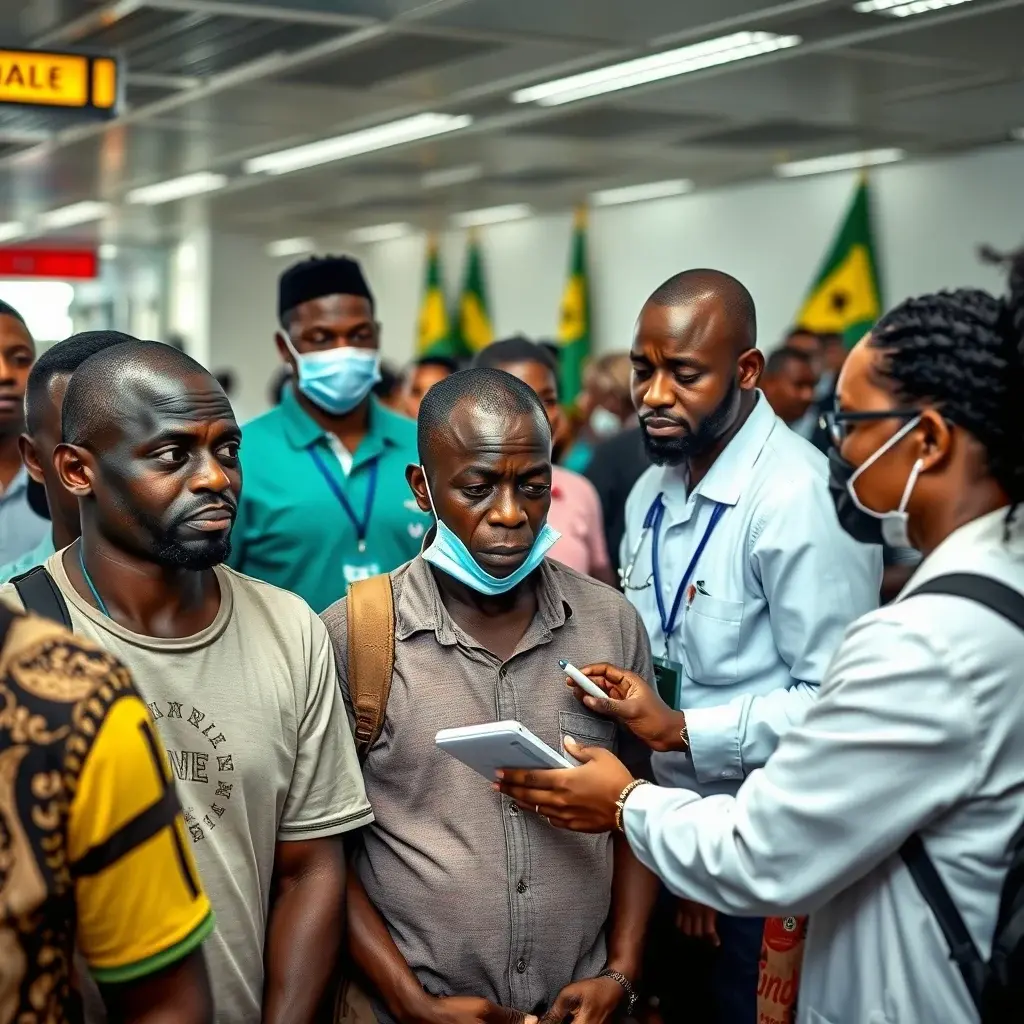
Ghana’s Ministry of Foreign Affairs, Ministry of Health, Ghana Health Service, Ghana AIDS Commission, and National Commission for Civic Education are being urged to collaborate on a strengthened reintegration protocol for Ghanaian nationals recently evacuated from South Africa due to xenophobic attacks. This call comes as hundreds of citizens return under a voluntary program, prompting discussions about essential health screenings and psychological support beyond basic settlement assistance.
Context of Repatriation
Recent escalating anti-immigrant violence and intimidation in South Africa have led to the voluntary repatriation of hundreds of Ghanaian nationals. The Government of Ghana has committed to supporting these citizens as they reintegrate into society.
Public Health Considerations
South Africa faces a significant HIV burden, with an estimated 8 million people living with the virus in 2024. Prevalence rates are particularly high in provinces like Gauteng and KwaZulu-Natal, which are major destinations for migrants and foreign workers.
Given this context, public health authorities are advised to offer voluntary and confidential screening for HIV and other communicable diseases. This screening should be part of a broader health assessment package for returning citizens.
Implementing such measures is seen as prudent, especially since the evacuation is being funded by public resources. Early detection of health conditions ensures timely access to treatment, benefiting both the individual returnee and the wider community.
Psychological Impact of Xenophobia
Experiences of xenophobic violence can have profound psychological effects. Research indicates that migrants exposed to such attacks often suffer from fear, trauma, exclusion, anxiety, and acute stress reactions.
These experiences can lead to persistent fears of recurring violence and difficulties in social reintegration upon returning home. Studies highlight the need for structured mental health interventions and counselling for affected populations.
Calls for a Comprehensive Protocol
Organizations like CELPI Africa are advocating for a comprehensive reintegration protocol. This protocol should encompass voluntary medical screening, health education, psychological assessment, trauma counselling, and necessary referral services.
The aim is to provide support that acknowledges the difficult circumstances faced by the returnees. This approach balances humanitarian assistance with the responsibility to safeguard public health interests.
Forward-Looking Implications
The current situation presents an opportunity for Ghana to establish a robust framework for reintegrating citizens returning from crisis situations. This model could serve as a precedent for future evacuations, ensuring that returning nationals receive holistic care. The focus on both physical and mental well-being is crucial for successful integration and for protecting national health interests.










Leave a Reply