
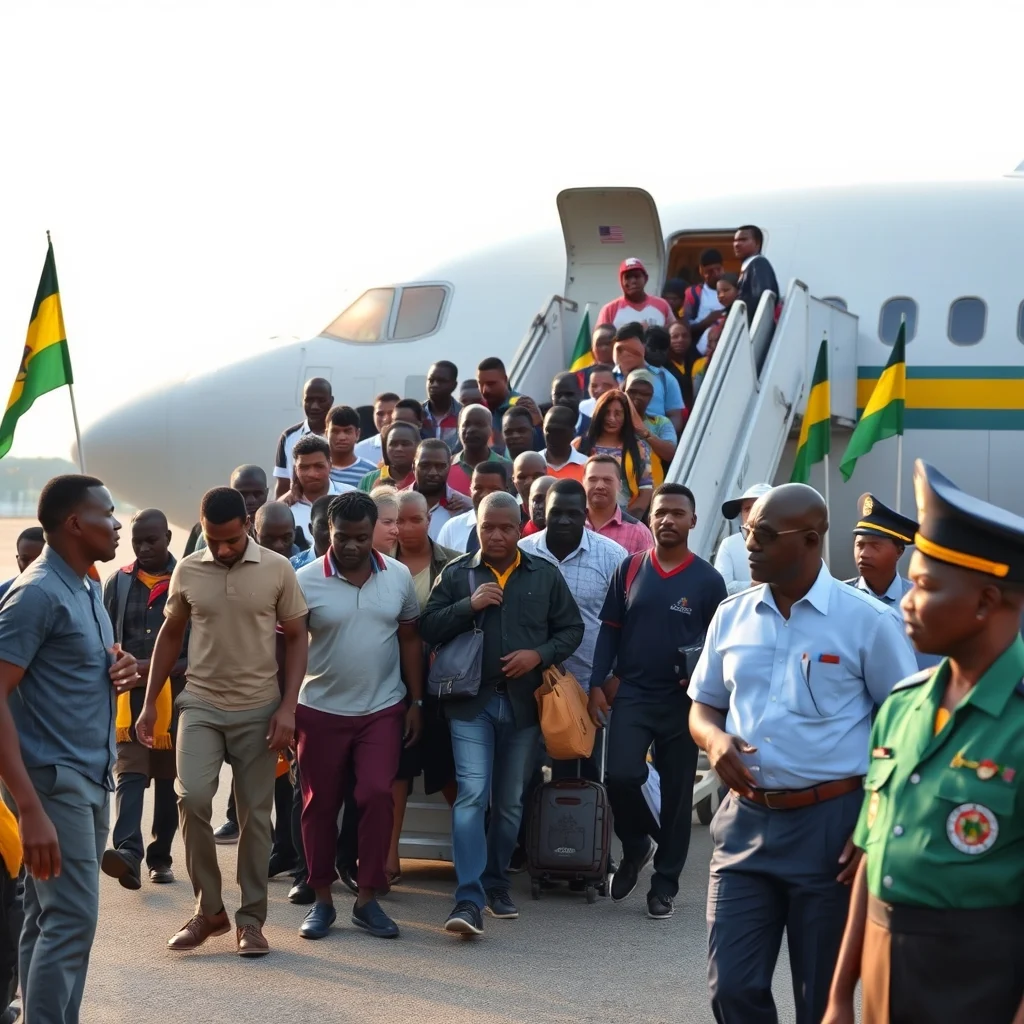
Accra, Ghana – Wednesday, May 27 marked a significant day as approximately 300 Ghanaian citizens returned home from South Africa, evacuated following a surge of xenophobic violence. The government, led by Chief of Staff Julius Debrah, met the returning Ghanaians at the Accra International Airport, reaffirming its commitment to their safety and welfare abroad.
Government Reassurance to Citizens Abroad
Chief of Staff Julius Debrah addressed the evacuees upon their arrival, emphasizing that their return is not an endpoint but a potential catalyst for new opportunities. He conveyed a strong message of national solidarity, stating, “As a nation, we shall always stand by our people, no matter where you find yourself. Be encouraged and believe that it shall be well.”
The government delegation’s reception highlighted the administration’s pledge to protect and support Ghanaian citizens facing adversity in foreign lands. This assurance echoes previous statements from government officials, including former Deputy Minister of Foreign Affairs, Thomas Kwesi Quartey, who previously stated the government’s unwavering commitment to its citizens’ safety globally.
Context of Xenophobic Violence
The evacuation comes in the wake of escalating xenophobic attacks in South Africa, which have targeted foreign nationals, including many from other African countries. These incidents have a history in South Africa, often fueled by socio-economic grievances and perceived competition for jobs and resources.
Previous waves of xenophobic violence in South Africa, such as those in 2008 and 2015, resulted in significant loss of life and displacement of foreign communities. The recurrence of such events underscores the persistent challenges faced by migrants and refugees in the country.
Support for Reintegration
Mr. Debrah encouraged the returnees to remain hopeful and resilient as they reintegrate into Ghanaian society. He acknowledged the difficult circumstances of their departure and framed the moment as a “potential turning point” in their lives, suggesting divine intervention in their safe return.
The government has pledged to provide support to ensure a smooth transition for the evacuees. This includes assistance with welfare and reintegration into the local community, aiming to help them rebuild their lives and pursue new endeavors within Ghana.
Economic and Social Implications
The return of a significant number of Ghanaians from South Africa raises questions about economic and social integration. While the government assures support, the long-term impact on the Ghanaian economy and social fabric will depend on the successful reintegration and employment opportunities available to the returnees.
Data from the International Organization for Migration (IOM) often highlights the challenges faced by returning migrants, including psychological distress, financial difficulties, and the need for tailored support services. Ghana’s ability to provide these services will be crucial for the well-being of these citizens.
Looking Ahead
The government’s swift response to evacuate its citizens demonstrates a commitment to its diaspora. However, the ongoing xenophobic situation in South Africa and the potential for further displacements will require sustained diplomatic engagement and contingency planning. Attention will be on the specific programs and resources Ghana will deploy to support the reintegration of these 300 citizens and whether this event prompts broader policy discussions on supporting Ghanaians living abroad.










Leave a Reply