
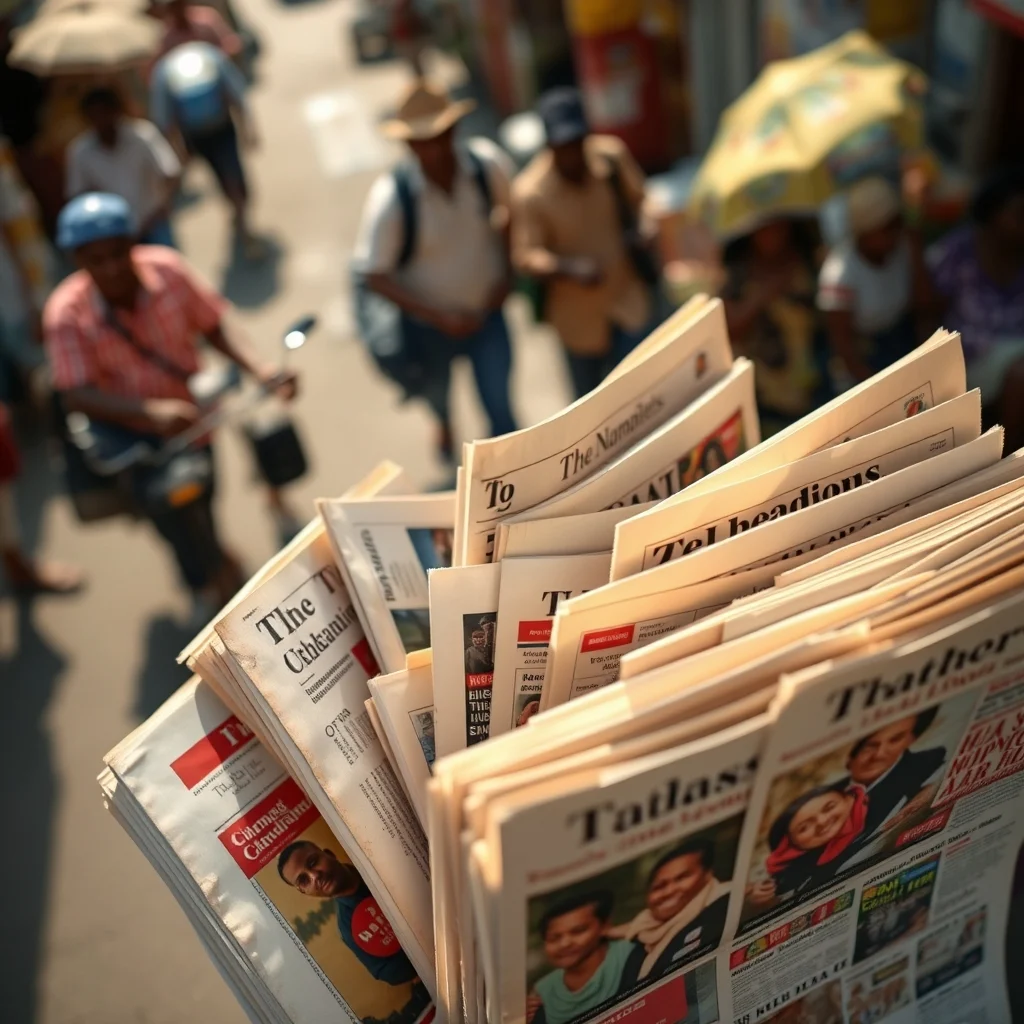
Accra, Ghana – May 4, 2026 – As Ghana awakens to a new week, the nation’s leading newspapers have captured the prevailing public discourse and key developments on their front pages. Myjoyonline.com, a prominent Ghanaian news aggregator, today showcased the diverse headlines from various publications, offering a snapshot of the country’s most pressing issues and conversations.
A Glimpse into National Priorities
The front pages serve as a barometer for what matters most to Ghanaians and the narratives being shaped by the media. This daily ritual of reviewing newspaper headlines provides citizens with a consolidated view of the day’s significant events and ongoing national dialogues.
From political analyses to economic trends and social commentary, the selected front pages highlight the multifaceted nature of news coverage in Ghana. Each paper, with its unique editorial stance, contributes to a broader understanding of the issues at play.
Context of Media Consumption in Ghana
In Ghana, traditional media, particularly newspapers, continue to hold influence despite the rise of digital platforms. Front pages are meticulously designed to attract readers, summarizing the most compelling stories within their pages.
The practice of aggregating these front pages, as done by Myjoyonline.com, democratizes access to information and allows for a comparative analysis of media focus across different outlets. This is particularly crucial for understanding how various news organizations interpret and present national events.
Key Themes Emerge
While specific headlines vary, certain recurring themes likely dominated the front pages on May 4, 2026. These could include updates on government policies, economic indicators such as inflation or currency performance, and significant social issues affecting communities across the country.
Discussions around infrastructure development, education, healthcare, and security are perennial topics that often find prominence. International relations and regional affairs impacting Ghana may also feature, depending on recent global events.
Expert Perspectives on Media Influence
Media analysts often point to the critical role newspapers play in holding power to account and shaping public opinion. Dr. Kwesi Aning, a security analyst, has previously emphasized how front page stories can set the agenda for national conversations and influence policy decisions.
“The front page is the primary battleground for ideas and narratives,” Dr. Aning stated in a past interview. “It dictates what the public discusses and what policymakers are forced to address.”
Data on Newspaper Readership
According to the latest available data from the Ghana Statistical Service (though specific 2026 figures would be nascent), newspaper readership, while evolving, remains a significant component of media consumption, particularly among certain demographics and in urban centers.
The influence of these print publications extends beyond their direct readership, as their headlines are often discussed on radio, television, and social media, amplifying their reach and impact.
Implications for the Public and Industry
For the average Ghanaian, the daily review of front pages offers a curated entry point into the day’s news, helping them stay informed about critical national issues. It allows for a quick grasp of the most significant developments without needing to consume multiple publications.
For the media industry, the front page remains a vital tool for marketing, brand positioning, and demonstrating journalistic prowess. The competition to feature the most impactful stories drives innovation in reporting and presentation.
Looking Ahead
As digital media continues its ascendance, the strategic importance of the newspaper front page in Ghana is likely to be re-evaluated. Future trends may see greater integration between print headlines and online content, with QR codes or direct links driving readers to more in-depth digital coverage.
The ability of newspapers to adapt and continue capturing the essence of national discourse on their front pages will be key to their sustained relevance in Ghana’s dynamic media landscape.










Leave a Reply